Egg Donation in India: Rules, Regulations & Costs
Egg Donation in India: Rules, Regulations & Costs
 Egg donation in India has helped couples struggling to conceive have the children they’ve always dreamed of. However, the entire procedure is governed by strict legal regulations. Regardless of whether you need donor eggs or want to donate them, you’ll need to familiarize yourself with the legal process and requirements. In this blog, we help you understand egg donation in India by exploring its regulations and costs.
What is Egg Donation?
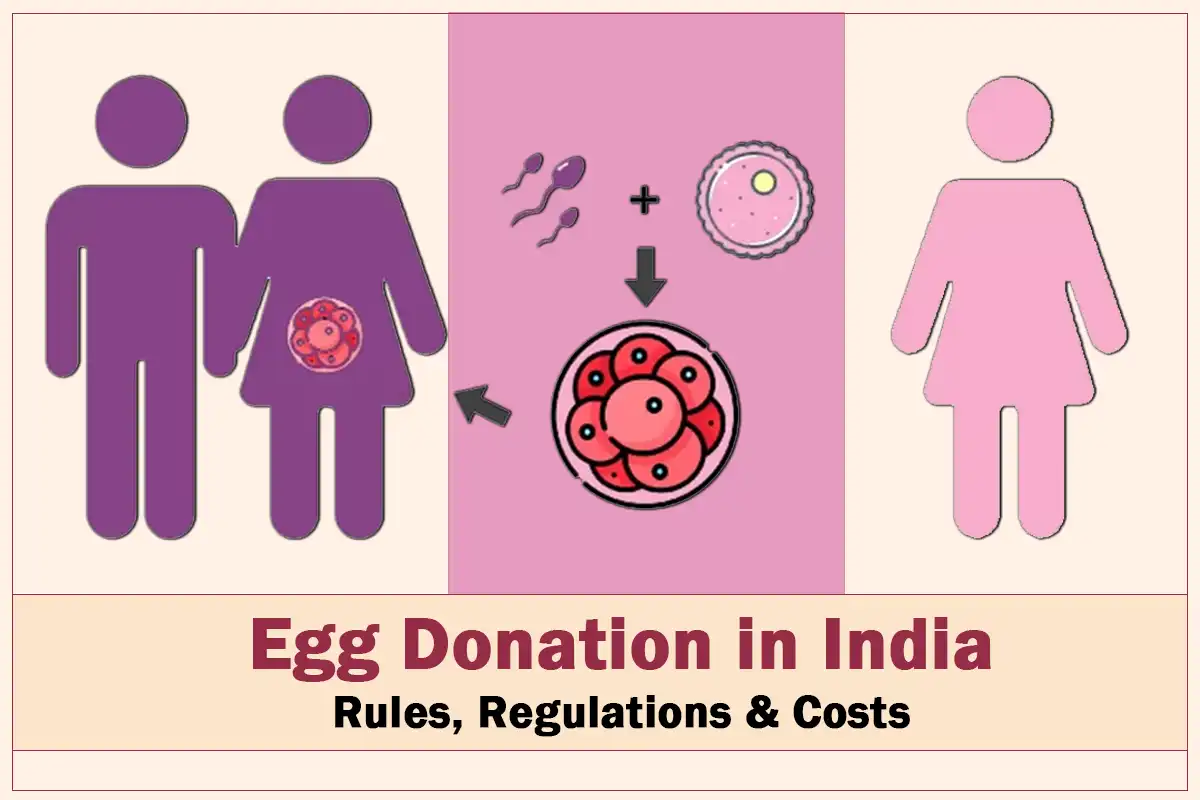
Egg donation helps couples who are unable to conceive by providing them with healthy and viable eggs. The process begins with ovarian stimulation, in which the donor is given medication that makes her ovaries produce more mature eggs. These eggs are collected during egg retrieval.
The eggs are fertilized with the male partner’s sperm and the most viable developed embryo is transferred to the uterus of the female partner.
Eligibility Criteria for Donor Egg Recipients
Egg donation in Mumbai is regulated according to the Assisted Reproductive Technology (Regulation) Bill, 2021. Fertility clinics run egg and sperm banks through which they screen prospective egg donors and help couples undergo ART procedures with donated gametes.
Only married infertile women can legally use donated eggs. The entire process is conducted anonymously in India, so your clinic will usually share the egg donor’s details with you instead of revealing their identity.
Women may choose to undergo IVF with donated eggs for the following reasons:
- Advanced maternal age
- Early menopause
- Low-quality eggs
- Poor ovarian reserve
- Doesn’t have one or both ovaries
- Have genetic conditions they don’t want to pass on
Eligibility Criteria for Egg Donors
Egg donors can be known or anonymous. Since the law allows both, the choice lies with the recipients. Known donors are friends or family who you have personally asked to donate. Anonymous donors are donors who donate their eggs directly through the fertility clinic’s egg bank. The clinic does not reveal their identity to the recipients.
Not just anyone can be an egg donor. According to the Assisted Reproductive Technology (Regulation) Bill, 2021, egg donors must meet the following criteria:
- Must be a woman between 23 and 35
- Must be ever-married (currently married or was married in the past)
- Must be mentally and physically fit
- Must be free from genetic diseases or disorders
- Must undergo screening for the following diseases: Human Immunodeficiency Virus (HIV) types 1 and 2, Hepatitis B virus (HBV), Hepatitis C virus (HCV), and Syphilis
- Must undergo a mental health assessment
- Must provide detailed medical history of her family
- Must agree to relinquish parental rights over any child born from her eggs
- Must have at least one child who is at least 3 years old
- Must never have donated before
An egg donor must only donate eggs once in her lifetime, with a maximum of 7 eggs donated. Reasonable compensation can be provided to egg donors to make up for the time and effort they put in. The commercialization of eggs is against the law and anyone involved in their sale or purchase will be fined 5-10 lakhs. Repeat offenders face a fine in addition to 8–12 years in prison.
The Cost of Egg Donation
The cost of egg donation is higher than a simple In Vitro Fertilization procedure. This is because on top of the charges for ovarian stimulation, egg retrieval, fertilization, and embryo transfer, the recipient must also cover the donor’s medical costs, health screenings, and additional procedures.
The cost of egg donation in Mumbai can vary from clinic to clinic. The cost varies depending on the protocols used and whether the donor eggs used were fresh or frozen. Additionally, the recipient couple must agree to pay for the egg donor’s insurance, which will cover any potential health risks or complications resulting from the egg donation procedure.
Clinics charge according to the expertise of their doctors and their success rates. Due to this, the cost of egg donation in India varies from clinic to clinic. Recipients can compare the prices, services, medical care, and infrastructure offered by each clinic and carefully choose the best option for their needs and budget.
Wrapping Up
Corion Fertility Clinic offers high-quality medical care and compassionate egg donation services in India. Whether you need IVF with donor eggs or a simple fertility consultation, we offer the solution to all your reproductive problems at affordable rates. Book your appointment today!
Frequently Asked Questions:
Q. Is donating eggs legal in India?
A. Yes, egg donation is legal in India as long as it follows the guidelines laid down in the Assisted Reproductive Technology (Regulation) Bill, 2021.
Q. Can egg donors get paid in India?
A. Egg donors in India are paid compensation for the time, effort, and inconvenience they go through while donating their eggs. However, apart from reimbursement, paying them for their eggs is strictly prohibited.
Q. Is egg donation in India limited to Indian citizens?
A. No, even foreign citizens and NRIs can choose to avail egg donation services in India.
Q. What did the ART Act 2021 change about egg donation?
A. The identity of the egg donor must remain confidential. Additionally, the recipient must pay for the egg donor’s insurance coverage to cover any complications that could occur from the process.
Q. What if the egg donor tries to claim parental rights?
A. In India, egg donors must sign an agreement giving up any legal claim over the child or children born using their eggs.
Disclaimer
The information shared in this blog is for educational purposes only and should not be used as a substitute for professional medical advice.
Copyright © 2026, Corion. All Rights Reserved.
Website is designed & developed by Phi Brands