Egg Freezing vs. Embryo Freezing: Which Option is Right for You?
Egg Freezing vs. Embryo Freezing: Which Option is Right for You?
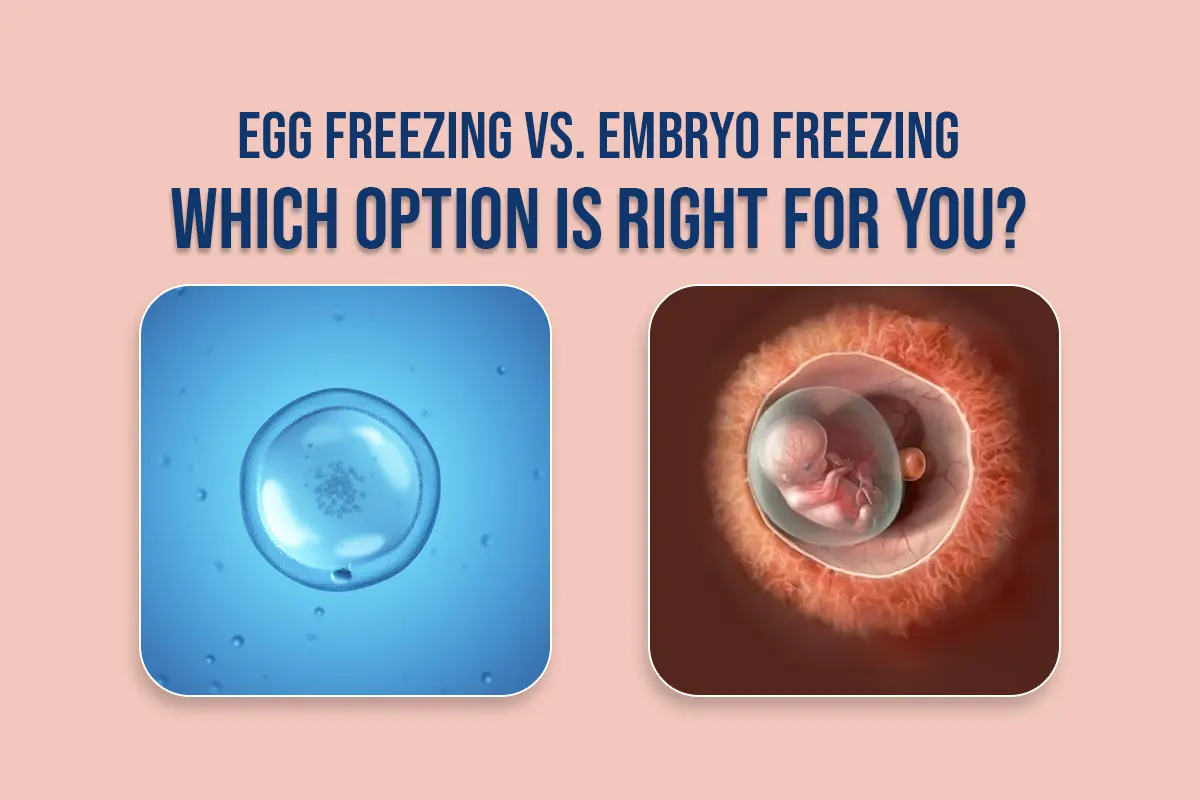
Fertility preservation has become an empowering choice for many women today. Egg freezing and embryo freezing are the two most popular methods of fertility preservation. Both processes start out the same way: with a fertility consultation and ovarian stimulation protocols. Due to their similarities, you may wonder, egg freezing vs. embryo freezing, which is right for you?
What is Egg Freezing?
Egg freezing involves preserving the eggs that your body loses during your menstrual cycle by extracting them from your ovaries and freezing them. It is used as a method of fertility preservation and helps women delay pregnancy without having to face the problems caused by poor egg quality and quantity.
Who Should Consider Egg Freezing?
Egg freezing is a great option for women trying to delay pregnancy for personal or professional reasons and single women who have not chosen a sperm partner or donor yet. It has helped women approach their fertility in a calm and practical manner, not consumed by anxiety or stress about the biological clock.
What is Embryo Freezing?
Embryo freezing is a technique of fertility preservation that allows women to store their embryos for longer without suffering any decrease in fertility. It involves fertilizing eggs with a partner’s or donor’s sperm and freezing the resulting embryos for later use. Some patients may want to freeze leftover embryos after IVF so that they make multiple embryo transfer attempts.
Who Should Consider Embryo Freezing?
Couples who are in a committed relationship and want to have children together in the future can consider embryo freezing. Patients going through fertility treatments like IVF may sometimes choose to freeze their embryos and undergo a frozen embryo transfer.
How to Decide Between Egg Freezing and Embryo Freezing
Both egg and embryo freezing have their pros and cons. Here’s what you can consider while trying to choose between the two:
Your Relationship Status And Pregnancy Plans
Women who are in a committed relationship and are sure about having a baby with their partner or a sperm donor in the future will prefer embryo freezing due to its higher success rates.
Single women who are not sure about the sperm provider will usually prefer egg freezing because of the flexibility it offers. Freezing eggs can be an individual decision and can be done without having to wait for a committed partner.
Flexibility
Flexibility is perhaps the greatest choice provided by egg freezing and embryo cryopreservation. By freezing egg/sperm ahead of time, you can prevent age-related infertility. Egg freezing is more flexible than embryo freezing, as it is a simpler process that involves less commitment.
Success Rates
In the past, egg freezing was considered an experimental technique. Today, thanks to modern technology and improved medical techniques like vitrification, egg freezing is only slightly less effective than embryo freezing.
While freezing eggs, it’s harder to figure out how many embryos you’ll have left, since not all your frozen eggs will survive to the blastocyst stage. In contrast, with embryo freezing, you know ahead of time how many embryos have developed into blastocysts.
Initial vs Delayed Costs
Egg freezing can be more affordable, as you only need to pay for egg retrieval and egg storage. That doesn’t mean it is cheaper. It simply means that the costs that you don’t pay in the present (fertilization and embryo testing) will need to be paid in the future.
Paying for fertilization and even embryo testing during embryo freezing increases the cost of treatment in the present but means that you end up paying less later.
Legal Considerations
Freezing embryos could potentially cause legal disputes in the future if the couple decides to separate or change their mind about embryo cryopreservation. Since the gametes of two people are involved, it can cause issues if one party withdraws consent.
Unlike embryos, eggs are the sole property of the woman. Even if she splits up with her current partner, or he has a change of heart, it will not affect her frozen eggs.
Medical History
Certain disorders and medical conditions may make embryo freezing a requirement. If you have a family history of genetic disorders, PGT testing before embryo freezing allows you to test your embryos for chromosomal or genetic defects and helps you select the most viable ones for freezing.
Age And Ovarian Reserve
Age is directly linked with fertility. When women are younger, they have many high-quality eggs and have a better chance of pregnancy. After you turn 35, both egg quality and quantity steadily decline. This creates issues like aneuploidy (embryos with the wrong number of chromosomes) which makes it harder to get pregnant.
Thus freezing eggs or embryos at a younger age can prevent genetic issues in children and reduce the risk of miscarriage. Younger eggs also have a better survival rate during freezing and thawing and higher fertilization rates.
Concluding Thoughts
Choosing to preserve your fertility is a monumental step, and one that should be celebrated. At Corion Fertility Clinic, we pride ourselves on providing high-quality fertility treatments.
We offer advanced egg and embryo freezing services with modern vitrification technology along with personalized guidance, transparent care, and support at every step. Book a consultation today to decide whether egg freezing vs. embryo freezing is right for you.
Frequently Asked Questions:
Q. Can I freeze both eggs and embryos?
A. Yes, some clinics allow you to freeze both eggs and embryos in the same cycle. This may take more time and increase the overall cost of treatment.
Q. How long can eggs and embryos stay frozen?
A. In theory, eggs and embryos can be frozen indefinitely as long as they are stored correctly in liquid nitrogen.
Q. Which has higher success rates: egg freezing or embryo freezing?
A. Embryos generally have slightly higher survival and pregnancy rates than eggs.
Q. Which is better for single women: egg or embryo freezing?
A. Egg freezing is a better and more flexible option for single women, as it doesn’t require sperm during the process and gives women complete control over their frozen gametes.
Q. Are there legal issues with embryo freezing?
A. Yes. Since both partners are involved, legal issues can arise if even one of the parties withdraws consent.
Disclaimer
The information shared in this blog is for educational purposes only and should not be used as a substitute for professional medical advice.
Copyright © 2026, Corion. All Rights Reserved.
Website is designed & developed by Phi Brands