Endometriosis And Its Effect On Female Fertility
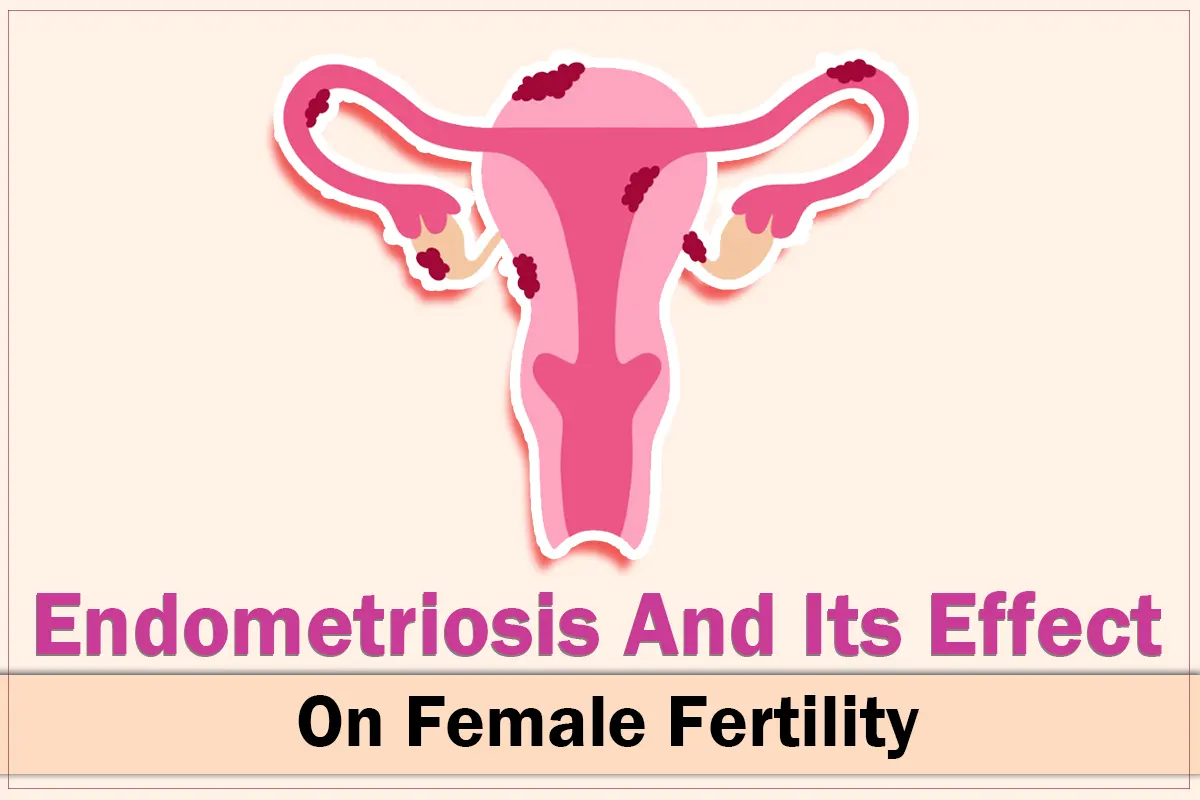
Endometriosis is a chronic inflammatory condition that can cause pelvic pain, inflammation, and even infertility. Although it affects almost 10% of women of reproductive age, its effects on female fertility aren’t common knowledge. In fact, women may delay endometriosis treatment until they start trying to get pregnant, which can worsen the condition. Let’s take a look at the symptoms of endometriosis and its effect on female fertility.
What Is Endometriosis?
During menstruation, the tissue lining your uterus thickens and begins to bleed. Endometriosis causes tissue that resembles the uterine lining to grow outside the uterus. This tissue thickens and bleeds during your menstrual cycle as well, which causes internal bleeding, pain, inflammation, and the growth of scar tissue and adhesions around the reproductive organs.
Endometriosis is also associated with a condition called adenomyosis. Adenomyosis is a condition where the tissue that normally lines the uterus grows into the muscular wall of the uterus, which thickens the uterine lining and causes painful, heavy periods.
Also Read: Why Is My Period Late?
What Are The Symptoms Of Endometriosis?
Endometriosis can feel different for everyone. It may cause a lot of pain for some, while others may only get diagnosed when they visit a specialist for infertility. These are the most common symptoms of endometriosis:
- Abdominal cramps
- Painful urination during your period
- Painful bowel movements during periods
- Heavy periods
- Digestive problems like diarrhoea or constipation
- Pain during sex
- Fatigue
- Lower back pain
- Frequent urination
The amount of pain that you experience does not equate to the severity of your condition. Some women with severe endometriosis may not experience any pain, while those who experience a lot of pain may have a milder form of endometriosis or not experience some symptoms. So although symptoms might make it easier to spot, they are not used as diagnostic criteria to determine endometriosis.
How Does Endometriosis Affect Female Fertility?
Endometriosis is one of the leading causes of infertility in women. 30 to 50% of women with endometriosis find it difficult to conceive. Endometriosis tissue can cause inflammation and growth of scar tissue and cause organs to stick to each other. This can cause pain and affect their regular function.
Tissue growth on the fallopian tubes can cause blockages and prevent eggs from travelling to the uterus. Growths on the ovaries can form small cyst-like formations called ovarian endometriomas or ‘chocolate cysts’. Cysts and unwanted tissue growth can cause hormonal issues, inflammation, and oxidative stress, which also lowers egg quality and may lower ovarian reserve.
What Treatments For Endometriosis Infertility Exist?
Treatment for endometriosis depends on your age, health, symptoms and fertility goals. Treatment types include medication and surgery, or a combination of the two. If you do not want to conceive right away, you may be prescribed birth control.
Birth control helps treat the symptoms of endometriosis. It can reduce the duration and flow of your periods and even slow down the growth of endometriosis tissue. You can stop taking birth control when you want to start trying for pregnancy.
If you want to get pregnant right away, birth control may not be an option for you. Treatments like IVF can increase your chances of conception. Your fertility specialist may recommend laparoscopic endometriosis removal before starting IVF.
Laparoscopic Surgery For Endometriosis
A laparoscopy involves creating small incisions on the abdomen and inserting a thin tube with a lens inside the abdominal wall to observe the pelvic organs. This surgery can be used for both diagnosis and treatment.
Endometriosis tissue can cause scarring around the pelvic organs, which can make it harder for you to conceive. If your specialist is unable to determine endometriosis through ultrasound scans, they may recommend laparoscopic surgery to check for the presence of endometriosis tissue. If they detect any diseased tissue, adhesions, or cysts, they might operate and remove them at the same time.
If you have already been diagnosed, your fertility specialist may recommend a laparoscopic surgery to remove endometriosis tissue and ovarian cysts inside your body to reduce symptoms and pain. It may also improve your success with IVF and other fertility treatments.
Endometriosis And Its Effect On Female Fertility
If you are dealing with endometriosis and infertility, there are many treatment options available in India. From laparoscopic surgery to in vitro fertilization, Corion Fertility Clinic offers affordable fertility solutions to help women with endometriosis conceive and live pain-free lives.
If you suspect that you have endometriosis, or if the condition is making it difficult to conceive, make an appointment with one of our clinic’s top fertility specialists today.
Frequently Asked Questions:
Q. What are the stages of endometriosis?
A. Endometriosis is classified into four stages based on its severity. Stage I and Stage II imply minimal endometriosis tissue implants, while Stage III and Stage IV are more serious and may signify multiple implants, cysts, and scar tissue adhesions.
Q. How do gynecologists check for endometriosis?
A. Gynecologists need to detect diseased tissue to diagnose endometriosis. They do this through MRIs, ultrasounds, pelvic exams, and laparoscopic surgery.
Q. Can you become pregnant if you have endometriosis?
A. Yes, it’s possible for women who have endometriosis to conceive. Approximately half of all women with endometriosis conceive naturally without the need for any fertility treatments.
Q. How can I improve my fertility if I have endometriosis?
A. If you have endometriosis, you can consider laparoscopic removal of endometriosis tissue to improve your chances of conception.
Q. Can endometriosis cause complications if left untreated?
A. If not treated, endometriosis can cause bowel obstructions, ovarian cysts, adhesions, infertility, heavy bleeding, and pelvic infection and can increase the risk of endometrial cancer.
Disclaimer:
The information shared in this blog is for educational purposes only and should not be used as a substitute for professional medical advice.
Copyright © 2026, Corion. All Rights Reserved.
Website is designed & developed by Phi Brands