Is IVF Painful? Discomfort and Mild Pain

Pain is a common concern and worry of many IVF patients. The in vitro fertilization process is lengthy, and the various injections, hormonal medications, and protocols involved can feel especially daunting for a first-timer. In fact, the first question many of our patients ask is, ‘Is IVF painful?’
In this blog, we explore how IVF works, whether it is painful and how to minimize any pain through expert tips and self-care.
Is IVF Painful?
The IVF process can be emotionally and physically demanding. Everyone has a different experience with IVF treatment due to their individual pain tolerance and coping mechanisms.
Despite this, patients consistently describe IVF as not painful, though they may find certain procedures more uncomfortable or difficult to deal with. To understand the levels of pain and discomfort associated with IVF, let’s walk you through the IVF process step-by-step.
Ovarian Stimulation
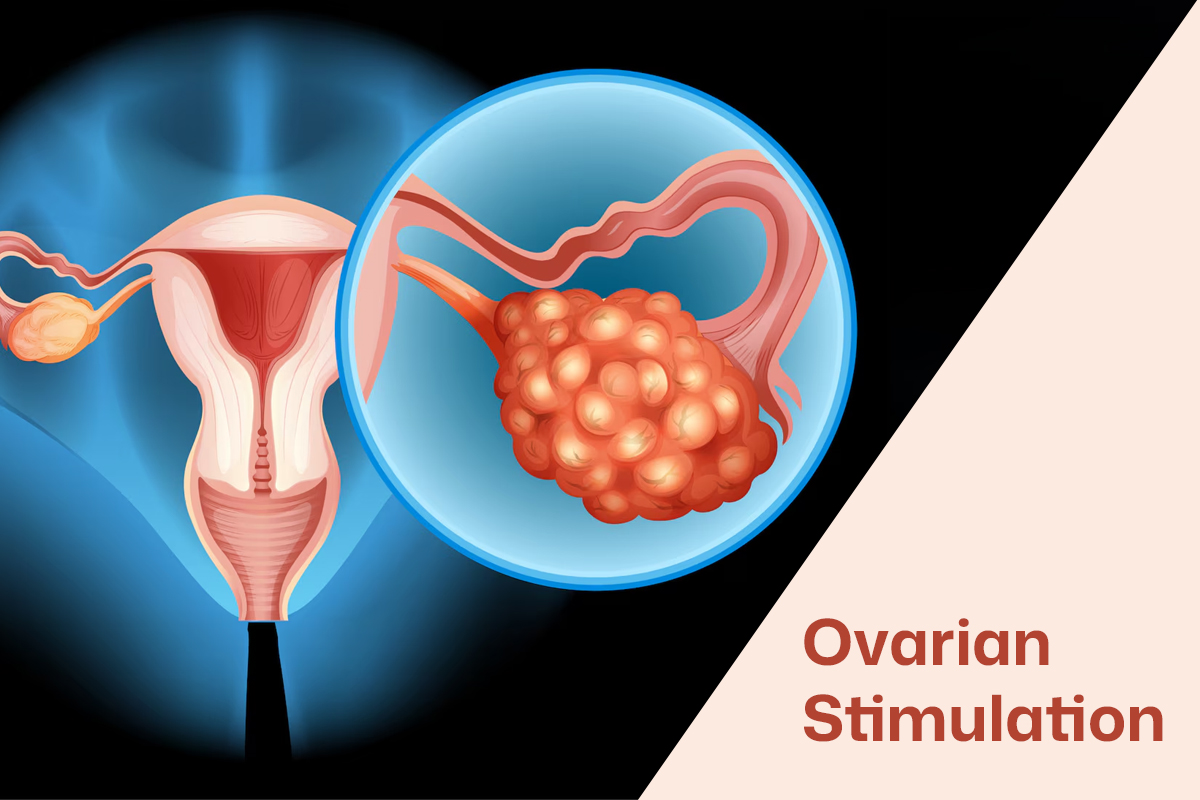
During ovarian stimulation, you are instructed to take medications that stimulate your ovaries into producing multiple mature eggs. These medications include hormones like follicle-stimulating hormone (FSH) and are usually meant to be taken daily in the form of injections.
Injecting the fertility medication can feel scary at first and may even be slightly painful. However, the needles are very thin and when injected correctly, they should not cause any pain.
Most women actually report that while the injections aren’t that painful or even uncomfortable, the side effects of the medication can be quite bothersome. You may experience side effects like bloating, cramps, headaches, and mood swings.
What can help:
- Many doctors recommend a low-carb, high-protein diet after egg retrieval, but you can actually start making these diet changes during ovarian stimulation.
- Sugar-free electrolyte drinks can help with the effects of the fertility medication. The goal is hydration, not sugar. Salt, water, and electrolytes are your best friends.
- Icing the site of injection before injecting can do wonders. To distract yourself from the pain, try getting friends, family, and significant others involved. You can also ice your skin after the injection to prevent stinging or itchiness.
- Try rotating the injection sites to prevent one area from scarring or bruising.
- Ask your doctor if you can use prescription-grade numbing cream to prevent pain from the injections.
- While injecting menopur, you may feel a burning/stinging sensation at the site. Injecting it slowly may minimize this feeling.
- We suggest setting daily reminders to keep up with medication that needs to be taken at the same time daily or has special instructions, like no eating an hour before taking it.
Egg Retrieval
In this process, the doctor uses a needle to extract the fluid from your follicles in your ovaries. This fluid contains mature eggs. So, is egg retrieval painful?
No, egg retrieval isn’t painful, as you will be sedated during the procedure. After the procedure, patients describe feeling bloated and uncomfortable rather than in pain.
You may experience minor pain or cramps after the procedure and may be prescribed pain medication to deal with it. Ask your doctor about pain medication if you haven’t been prescribed or given any, and insist on it if you’ve had a large number of eggs extracted.
What can help:
- A heating pad and pain medication will be your holy grail. Pain relief patches for menstrual cramps can also help you deal with any cramps you experience after egg retrieval. *Note: Only use a heating pad after the IVF egg retrieval process.
- You may experience post-procedure constipation due to medication or sedation. Keep some stool softeners handy just in case.
- Consume lots of electrolytes through sugar-free electrolyte drinks and mixes. Food with high salt and protein content can reduce the risk of OHSS. A low-carb, high-protein diet can help prevent excessive bloating.
- Some patients recommend not drinking plain water and replacing it with an electrolyte drink or coconut water.
Embryo Transfer
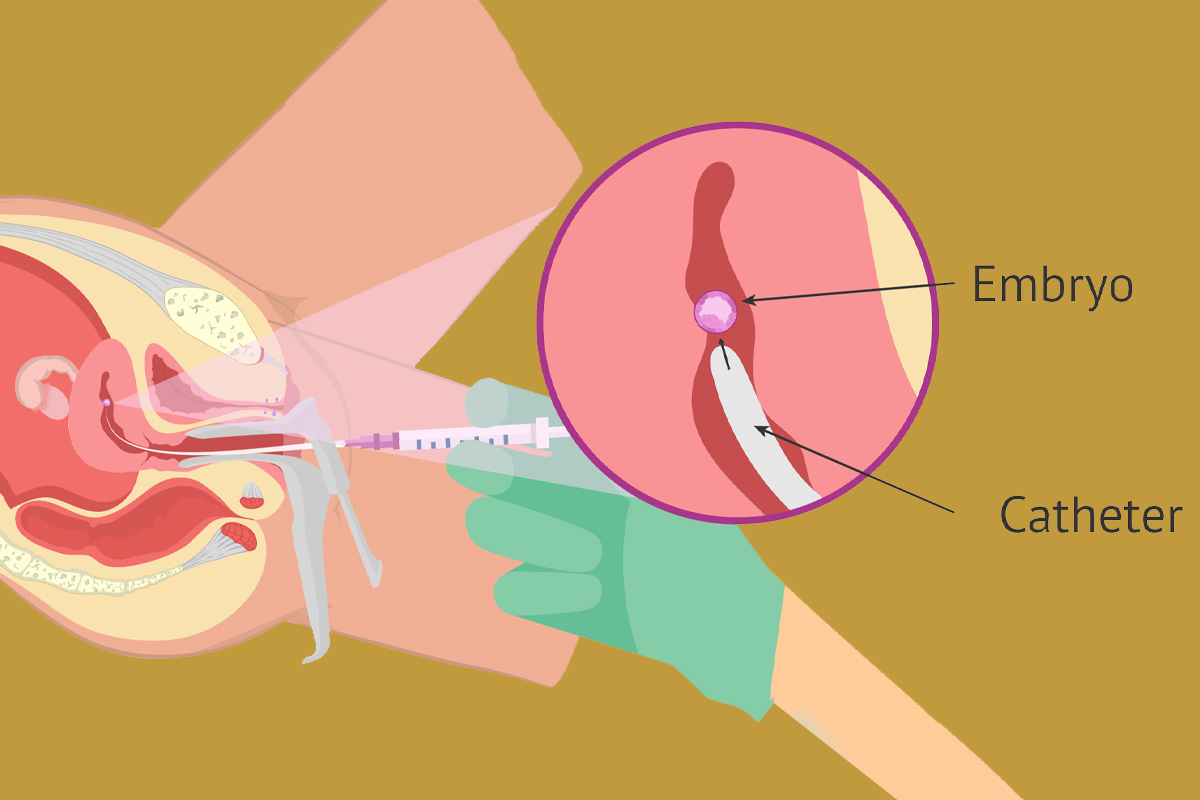 Let’s now understand what is embryo transfer. Once the mature eggs are collected, they are combined with sperm to create embryos.
An embryologist then selects the best embryo to transfer to your uterus and passes it through via a thin and flexible catheter. Pain-wise, this procedure is similar to an IUI transfer or a pap smear. Bloating, spotting, and cramping are common side effects after embryo transfer.
A prerequisite of the procedure is having a full bladder, and holding your bladder until the transfer is complete can be a bit difficult. Embryo transfer can also be somewhat painful if your cervix is curved or tilted, as the doctor may have a harder time inserting the catheter through it.
IVF and Pain
Is IVF painful? Yes, IVF can be painful, but it usually isn’t. Here are some tips that can help you deal with pain during the IVF process:
Advocate for yourself
At the end of the day, you’re the only one who knows how you feel. Don’t let medical practitioners gaslight you into thinking that excessive pain is normal. Your pain matters.
A clinic that practices empathy and listens to your concerns can make the IVF process much easier and pain-free.
Get Professional Help
You may spend a lot of time worrying about outcomes or obsessing over tiny details. Your IVF journey can sometimes make you feel like you’re losing control.
Speak to a therapist or counselor who specializes in dealing with infertility cases. IVF can make you feel like a different person and affect your relationships with others, especially your significant other. Sometimes, relationship counseling might be necessary.
Take Care of Yourself
Put yourself first whenever you can. Failed cycles are not your fault and your life is more than just IVF. Consider picking up new hobbies and spending time on activities that you enjoy.
Build a strong support network of friends and family and spend time with them whenever you can. Joining online forums and communities and connecting with others who are going through fertility treatment can help you as well.
Final Thoughts
Maintaining an active, healthy lifestyle can help you deal with IVF treatments better, even if they are painful at first. Stay hydrated, regulate your diet and habits, and reach out to your fertility clinic for support and guidance when you need it.
At Corion Fertility Clinic, we know that each patient deals with IVF differently. Our care team offers personalized care and guidance to each patient and tries to minimize any pain or discomfort they experience. For highly affordable and empathetic fertility treatments in Mumbai, book a consultation today.
Frequently Asked Questions:
Q. Which is the most painful part of IVF?
A. Some patients describe the injections during ovarian stimulation as the most painful part of in vitro fertilization.
Q. How can I tell if I have OHSS?
A. OHSS can be mild, moderate, or severe. Symptoms range from abdominal bloating and nausea to severe abdominal pain, swelling and rapid weight gain. If you suspect that you have OHSS, speak with your fertility doctor immediately.
Q. How many embryos are transferred?
A. Most clinics transfer only one embryo to prevent a multiple pregnancy. However, exceptions can be made depending on the patient’s age and medical history.
Q. Is embryo transfer painful?
A. No, embryo transfer is not considered painful. It can be uncomfortable if the process takes longer, but it isn’t supposed to be painful when done correctly.
Q. How long does embryo transfer take?
A. The embryo transfer itself takes only 15 to 30 minutes. However, the entire procedure, from preparation to resting time, takes about 2 to 4 hours.
Copyright © 2026, Corion. All Rights Reserved.
Website is designed & developed by Phi Brands