Understanding the Cost of Egg Freezing in Mumbai
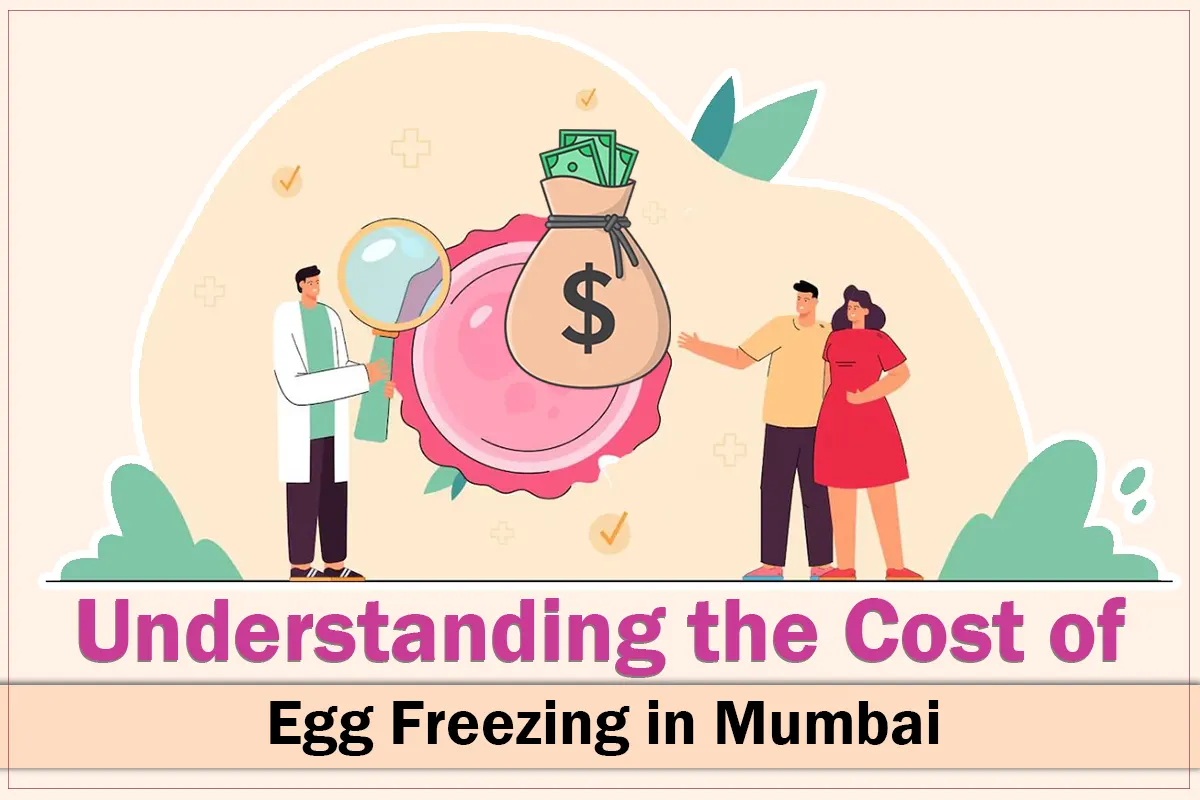 Not everyone wants to be a mother in their 20s or 30s. Due to declining fertility, women may find it much harder to conceive naturally when they’re older. Egg freezing is a popular method of fertility preservation that can help you get pregnant successfully in the future. But how affordable is freezing your eggs? Let’s explore the cost of egg freezing in Mumbai and the factors that contribute to the price.
What is Egg Freezing?
Egg freezing is a revolutionary method of preserving fertility. It allows women to ignore the incessant ticking of the biological clock and focus on their hopes, dreams, and goals for the present. It allows them to embrace parenthood safely, when they’re ready for it.
In the egg freezing process, you’ll first receive injections to stimulate your ovaries. This will help you produce multiple mature eggs instead of just one. Next, a doctor will retrieve these eggs from your ovaries through a thin needle while you’re sedated. The retrieved eggs are then flash frozen using liquid nitrogen and stored for later use.
The Cost of Egg Freezing in Mumbai
In Mumbai, one round of egg freezing is priced between ₹1 lakh and ₹3 lakh. The cost may vary from clinic to clinic depending on the treatment protocols and quality of care offered.
Some fertility clinics offer egg freezing packages with discounted rates on multiple freezing cycles, while others may offer EMI and payment plans to make treatment more affordable and accessible to everyone. The final cost of treatment depends on the price of treatment protocols, lab technology, medication, the clinic’s rates, storage fees, and so on.
Factors Affecting the Cost of Egg Freezing In Mumbai
There are several factors that affect the total price you can expect to pay for egg freezing in Mumbai, such as the number of cycles you undergo, your age and ovarian reserve, the clinic’s reputation and storage rates, and so on.
Number of Egg Freezing Cycles
Sometimes, a single cycle may not result in sufficient eggs. Your doctor will tell you how many eggs you should freeze based on your age, health, and fertility goals, and you may need multiple egg-freezing cycles to get there.
For example, if you’re in your late 20s and want two children in the future, your fertility specialist will tell you how many eggs you should aim to freeze. After that, you’ll undergo as many egg freezing cycles as you wish to try and meet that goal.
Age and Reproductive Health
The number of eggs retrieved in each cycle depends on your age and reproductive health. For example, it’s common for women under 35 to require only one or two freezing cycles, due to their high egg quality and quantity. Older women may require more cycles to freeze the same number of eggs.
On the other hand, most women with PCOS produce a large number of eggs, but their overall egg quality is poor, increasing the number of freezing cycles required and the total cost.
Clinic Location
Egg freezing can be expensive in tier 1 cities like Mumbai and Delhi, as fertility clinics in these cities tend to offer high-quality care, internationally trained fertility specialists, and state-of-the-art medical infrastructure.
Clinic Reputation
The cost of a single freezing cycle can vary depending on the clinic’s location, expertise, success rates, and the quality of treatment they offer. Most reputable fertility clinics have similar standard rates (₹1 lakh to ₹3 lakh), while smaller, less successful clinics may try to entice customers with extremely low prices.
Staff Expertise
Egg freezing can be more expensive in clinics run by experienced industry leaders or celebrity doctors. Famous fertility specialists command a higher rate, as they contribute to the clinic’s higher success rates and reputation.
Storage Fees
The fee for storing your eggs for up to a year usually costs between ₹20,000 and ₹30,000, depending on the clinic. Some clinics include storage fees in the price of the egg freezing cycle, while others insist that the two be paid separately.
Medication
Certain medications, such as injections used for ovarian stimulation, will be included in the egg freezing cost in Mumbai. Popular clinics use the highest-quality fertility drugs, while smaller, more affordable clinics might compromise on the quality of medication used. Corion Fertility Clinic offers affordable egg freezing services without any compromise on the quality of care offered.
Understanding the Cost of Egg Freezing in Mumbai
Egg freezing is a versatile fertility treatment that helps women freeze their eggs for use in the future. Without frozen eggs as a backup, women above 35 often find it harder to conceive and may require fertility treatments. Having frozen eggs can help you avoid multiple IVF cycles in the future, saving you both time and money.
Consult an experienced fertility specialist at Corion Fertility Clinic for affordable, high-quality egg freezing in Mumbai. Book a consultation today.
Frequently Asked Questions:
Q. What is the right age to freeze my eggs?
A. Many fertility specialists agree that the best time for women to freeze their eggs is between their late 20s and early 30s, as both egg quality and quantity peak during this age.
Q. Can I freeze my eggs after 35?
A. Yes, you can freeze your eggs after 35. Because egg quality and quantity decline after 35, you may experience lower success rates with egg freezing and may require more egg freezing cycles.
Q. What can lower egg quality?
A. Lifestyle factors like stress, smoking, drinking, and poor diet; conditions like PCOS and endometriosis; and environmental factors like toxins and pollution can all contribute to a decrease in egg quality.
Q. How does age affect fertility in women?
A. As women age, the quality and quantity of their eggs decreases. This increases the time required to get pregnant and can also result in infertility (age-related fertility decline).
Q. Can I improve my egg quality?
A. Yes, you can improve your egg quality by making lifestyle changes like quitting smoking and drinking and eating a diet rich in vitamins, minerals, and antioxidants.
Disclaimer:
The information shared in this blog is for educational purposes only and should not be used as a substitute for professional medical advice.
What Are The Pros And Cons Of Becoming An Egg Donor?
 Donating your eggs is a noble pursuit. But it’s a decision one can’t afford to take lightly. After all, egg donation can affect entire families—some who require donor eggs because of infertility, others who are LGBTQ+ and want to fulfill their dreams of parenthood. It’s a path women frequently take, but those who do experience a unique happiness and satisfaction. Before you make a decision, you may want to know more about the pros and cons of becoming an egg donor. In this blog, we discuss the best parts of donating your eggs, along with the less-than-ideal ones, to help you make an informed decision.
Pros of Becoming an Egg Donor
From receiving free health checkups to experiencing personal growth, there are several advantages of becoming an egg donor.
Provides a Free Fertility Screening
All egg donors need to undergo a comprehensive testing process that checks their mental, physical, and reproductive health before the process of donating eggs. Testing for common infectious diseases like HIV, hepatitis B, hepatitis C, and STDs like herpes, gonorrhea, and chlamydia is standard and will be done free of cost. Depending on the recipient’s requests, you may undergo genetic screening as well. This involves checking whether you are at risk of any genetic conditions.
Offers Insights Into Your Fertility
Along with receiving a free health checkup, you’ll also gain a better understanding of your fertility-and for free! Egg donations are a great way to receive a free comprehensive reproductive checkup. You’ll undergo pelvic exams, blood tests, and ultrasounds that will give you valuable information about your reproductive potential. Your clinic will check your AMH level, which tells them (and you) how many eggs are in your ovaries or your ovarian reserve. This can help you make fertility decisions in the future.
Helps Build Families
Donating eggs can help build families. Egg donation can also help LGBTQ+ couples have children. Becoming an egg donor can make someone’s dream of becoming a parent come true. It can help someone deal with the harsh diagnosis of infertility and give them hope of the future they want. Your donation won’t just affect one family; it’ll touch several. You’ll be able to change so many people’s lives for the better.
Provides Psychological Satisfaction
Donating eggs is a selfless act that can help others who want children. Egg donors often feel a sense of pride and fulfillment after donating their eggs. By becoming an egg donor, you can help a family struggling with infertility, an LGBTQ+ couple, or a patient who might pass on a genetic defect to her child.
Provides Monetary Compensation
Egg donors often receive monetary compensation for expenses they incur during the process. In some countries (U.K., Canada, Australia), egg donors do not receive compensation beyond reasonable expenses. This ensures that they do not spend money out of pocket to donate their eggs. In other countries (U.S.A., Spain, Greece) egg donors receive monetary compensation over their expenses.
Doesn’t Affect Your Ability To Have Children
Donating eggs doesn’t have a tremendous impact on your fertility. Notably, being an egg donor doesn’t affect your ability to have children in the future. The eggs retrieved during a donor cycle are the ones that your body would have discarded that month.
No Legal Obligations toward Donor-Conceived Children
Donors do not have any legal or monetary obligations towards children born from eggs they’ve donated. They are not required to be involved in such children’s lives or care for them in any capacity. If a donor-conceived child approaches you, remember that you have no obligation, legal or otherwise, to maintain a relationship with them.
Cons of Becoming an Egg Donor
While it certainly has its advantages, there are some downsides of becoming an egg donor too.
Experiencing Side Effects
The process of egg donation can be physically demanding on the donor. It can also have side effects like bloating, cramping, mood swings, and so on. It can also cause OHSS—a condition in which the ovaries swell up with fluid. OHSS can be extremely painful and even fatal if left untreated.
Each donor experiences side effects differently; some might be severely affected, while others would not experience a difference at all. Most fertility specialists monitor donors closely to prevent them from developing OHSS. At Corion Fertility Clinic, we adjust protocols to minimize the risks of egg donation.
Emotional Considerations
Before donating eggs, potential donors need to carefully consider the implications of the process. Some people don’t mind their genetically related children being a part of someone else’s family, while others might not care as much. While the process might bring out some complicated emotions, the sincere desire to help others can make you feel more confident in your decision.
Requires Time and Effort
Donating eggs requires considerable time and effort. Medical screening and counselling alone can take weeks—and that’s before you’re actually selected to be a donor. If you’re a fresh egg donor, your menstrual cycle will need to be synced, you’ll need to administer fertility injections daily, and you’ll need to be available for monitoring appointments. You’ll need to attend multiple appointments for monitoring, check-ups, and the actual retrieval. You may need to take some time off work to attend them. If the laws of your country allow it, you’ll receive compensation for your travel and any loss of wages because of the egg donation process.
Unsupportive Family or Friends
Because of misinformation and myths about fertility treatments, it’s common for people to have a skewed idea of how egg donation works. Sometimes your friends or family members might discourage you from becoming an egg donor because of their own moral beliefs or misunderstandings about how the process works.
As a result, some egg donors choose to keep their donation hidden from everyone except trusted family members and friends.
Making Lifestyle Adjustments
Egg donors need to make lifestyle arrangements while donating their eggs. Certain lifestyle choices like smoking and drinking can lower egg quality. While donating their eggs, donors are supposed to avoid smoking and drinking and moderate caffeine consumption. While taking fertility medications, donors must also refrain from unprotected sex as they have a higher chance of getting pregnant than usual.
Donor-Conceived Children Might Approach You
The popularity of ancestry and DNA testing has made it easier for donor-conceived children to track down extended family members and trace their ancestry. Some egg donors are wary of donor-conceived children approaching them later in life. However, donors do not have any parental rights and thus do not need to provide for donor-children financially. All egg donors, whether known or anonymous, are not required to maintain any kind of relationship with the donor-conceived child.
Is Becoming an Egg Donor Worth It?
You might wonder whether the pros of becoming an egg donor outweigh the cons. Truth is, most egg donors feel satisfied with their experience and often come back to donate again. This happens even in places where paid egg donation isn’t the norm!
Perhaps you’ve read some egg donor horror stories that make you hesitate. Most unsatisfied egg donors choose to talk about their negative experiences online, which is all you get to see, while hundreds of joyful stories of success remain unshared. Egg donation can be a beautiful, rewarding experience, and many of our donors agree. Being an egg donor is a unique opportunity. How many people can say that they helped another family bring a child into this world?
Egg donation is a selfless act that you are generously compensated for. Ready to become an egg donor? Send us a mail at reachus@corionfertilityclinic.com or fill out this contact form.
Frequently Asked Questions:
Disclaimer:
The information shared in this blog is for educational purpose only and should not be used as a substitute for professional medical advice