When and How to Take a Pregnancy Test After Frozen Embryo Transfer
When and How to Take a Pregnancy Test After Frozen Embryo Transfer

Frozen embryo transfer is a really delicate time. After your transfer, you may feel exceptionally anxious and wonder if you have become pregnant yet. We know how you feel. To answer our patients and you, let’s talk about when and how to take a pregnancy test after frozen embryo transfer.
What Is a Frozen Embryo Transfer?
Frozen embryo transfer (FET) is one of the steps of the in vitro fertilization process. FET is the last ‘procedure’ that you will undergo during IVF, which makes it feel like you’re at the end of your fertility journey and getting closer to your destination.
In a fresh embryo transfer, you go through all the steps of IVF treatment in one long cycle. So, you go through ovarian stimulation, egg retrieval, and embryo transfer back-to-back. But in a frozen embryo transfer procedure, you undergo ovarian stimulation and egg retrieval, and the embryos created with your eggs are frozen instead of being transferred directly.
What’s the Earliest You Can Take a Pregnancy Test?
The number one question we receive from patients after their frozen embryo transfer is, ‘I want to do a pregnancy test when can I take one?’ Like our patients, you, too, may want to take a test as soon as possible.
It takes about eleven days for a pregnancy test to identify the chemical changes that occur in your body after becoming pregnant. However, we recommend waiting for a minimum of two weeks before testing for pregnancy. To understand why this wait is necessary, let us look at how pregnancy tests work.
How Do You Test for Pregnancy During IVF?
All pregnancy tests measure the amount of hCG (human chorionic gonadotropin) in the body.
This hormone is generated when the embryo successfully implants in the uterine wall. hCG levels continue rising throughout the first trimester and slowly fall during the rest of the pregnancy.
The levels of hCG in your body double every two or three days, which means that the later you take a pregnancy test, the more accurate it is.
Can I Take A Home Pregnancy Test After Embryo Transfer?
Yes, you can take a home pregnancy test after IVF, but it’s generally not recommended. This is because these tests are not very accurate and can sometimes give false results, especially after using embryo transfer.
Even with a home pregnancy test, you will get the most accurate results only if you wait for at least two weeks after your FET. In two weeks, the hCG levels in your blood might have elevated to detectable levels.
We understand that you may feel restless, want to feel in control, and the lack of information you have bothers you. However, taking home pregnancy tests might not solve this; it might actually make your anxiety worse.
Risks of At-Home Pregnancy Testing
The at-home pregnancy tests commonly found in India are not as sensitive or reliable as their international counterparts, especially when it comes to early detection.
There are high chances of getting a false positive or false negative result, both of which can feel devastating and lead to emotional distress. Here are some of the risks of at-home pregnancy tests:
(1) False Positives
If you have been prescribed any medications that contain hCG, the pregnancy test could pick up traces of it and give you a false positive test result.
(2) False Negative
If you take a test too early after FET, the levels of hCG in your body could not have risen to a detectable level yet. This could give you an incorrect negative test result.
(3) Chemical Pregnancy
A positive pregnancy test followed by declining hCG levels could indicate an early miscarriage (biochemical loss). This is called a chemical pregnancy because the only evidence of the pregnancy is the hCG chemical. It is likely that the embryo implanted but stopped developing.
(4) User Error
Using a home pregnancy test incorrectly can also give you a wrong result.
Why Blood Tests Are More Reliable After FET
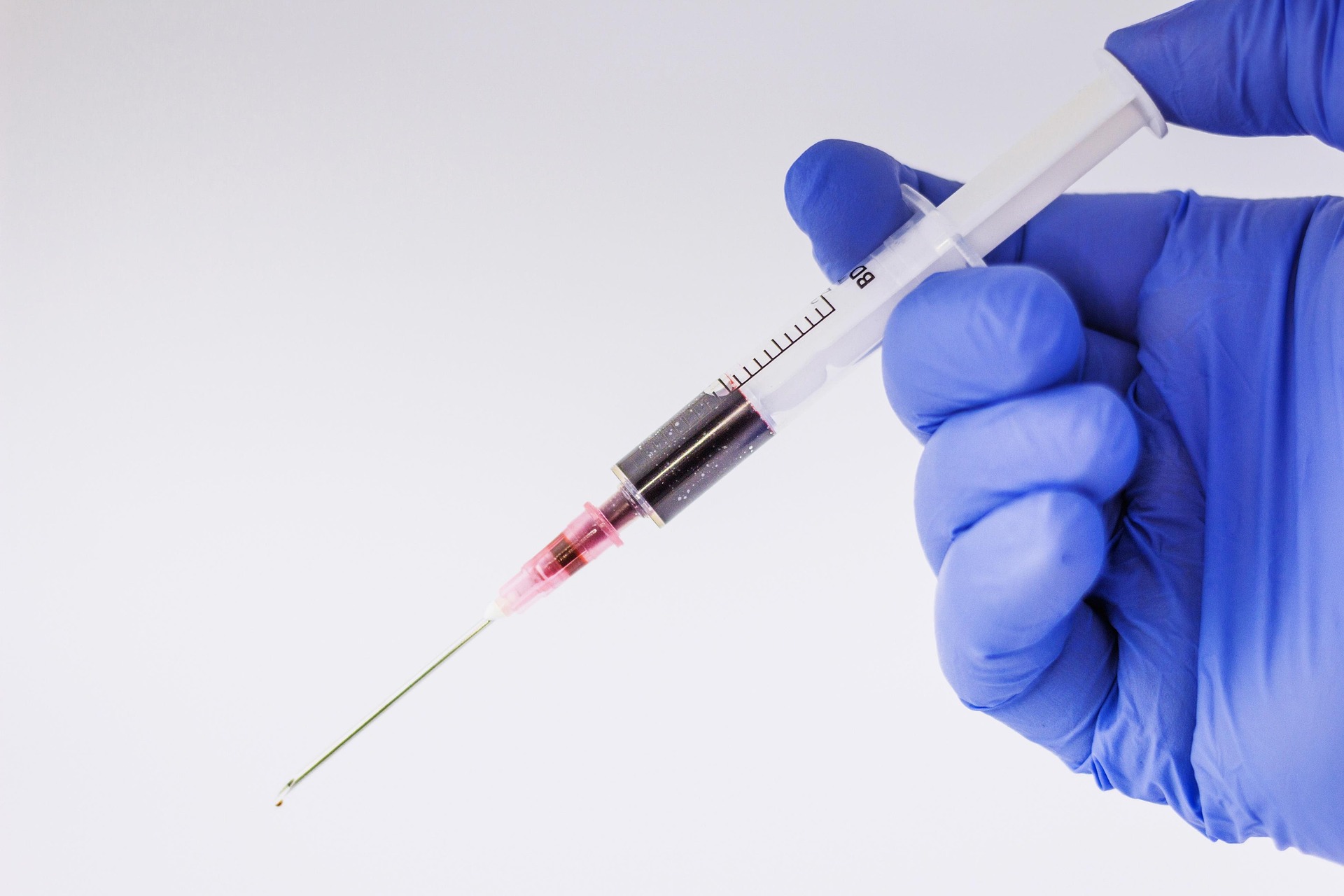
Beta hCG blood tests are considered more accurate and reliable, as they are comparatively more sensitive and can detect lower levels of hCG than most home pregnancy tests.
Taking a blood test ensures that you don’t get false positives or false negatives. Getting only real and accurate results can prevent confusion and anxiety surrounding your pregnancy.
After IVF, you will be expected to attend multiple appointments at your fertility clinic so that your care team can monitor your condition through tests. Your clinic may schedule your pregnancy test two weeks after embryo transfer, or sometimes earlier depending on your symptoms.
If your blood pregnancy test results are positive, your clinic may also schedule an ultrasound to detect a gestational sac or a fetal heartbeat.
What to Do If Your Pregnancy Test After FET Is Negative
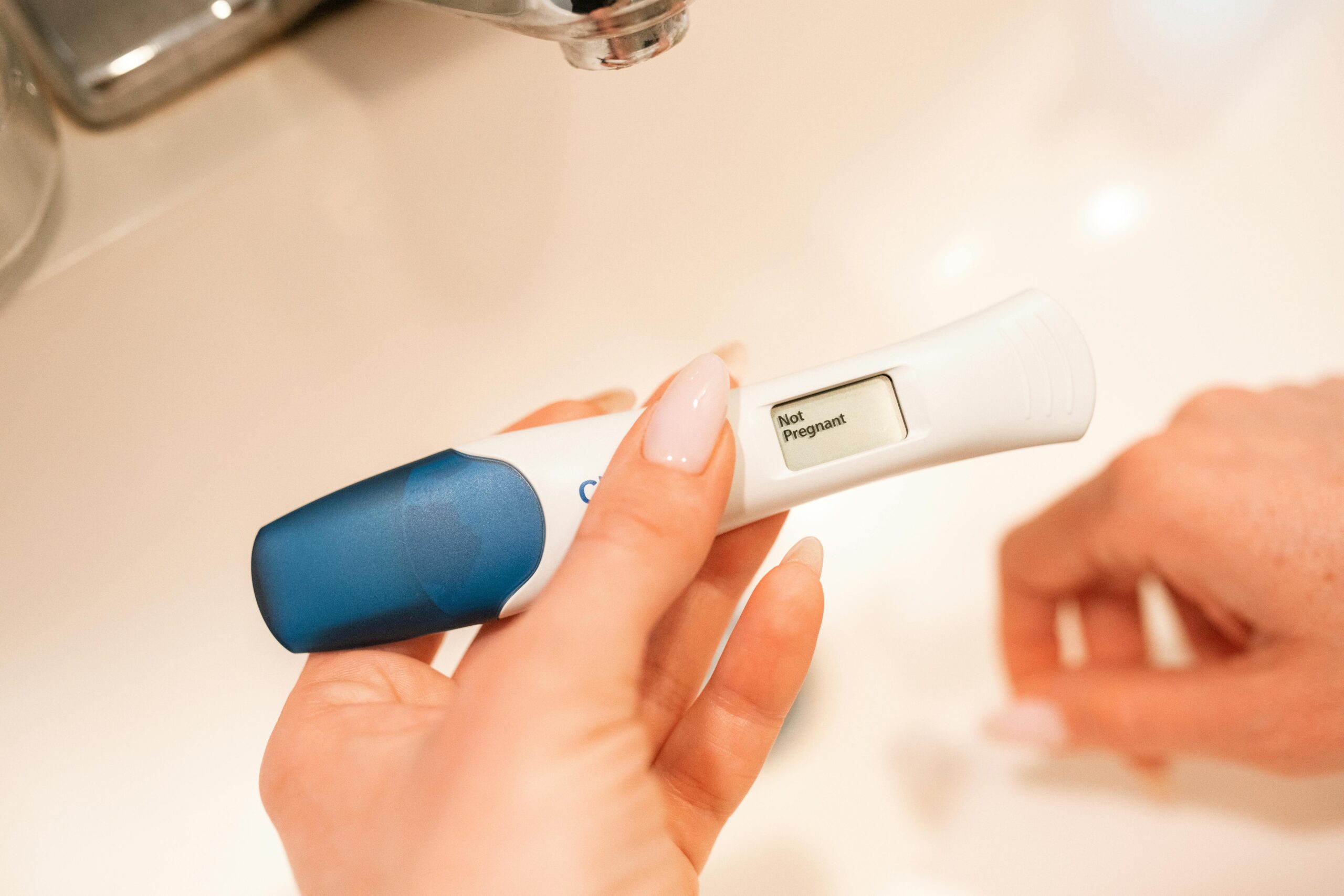
Even if you get a negative pregnancy test result, do not stop taking any medication until your doctor asks you to. Sometimes it takes longer for hCG levels to build up in your body. Your clinic will monitor your condition for a few more days and may administer another blood test within two to seven days.
It is impossible to tell if you’ll become pregnant from an embryo transfer. A negative pregnancy test result can feel disheartening, but remember that your fertility journey isn’t over. You can still get pregnant in the future.
The frozen embryo transfer success rate is higher than fresh embryo transfer. Most patients experience at least one failed transfer before they become pregnant successfully.
Early Signs & Symptoms Of Pregnancy

If taking a pregnancy test isn’t a reliable option, what else can you do to detect a possible pregnancy after FET?
In fresh transfer cycles, it is harder to spot pregnancy symptoms, as many of them overlap with the side effects of fertility medication. However, in a frozen embryo transfer, you usually receive lower doses of medication and thus it is harder to confuse your symptoms with the side effects of medication.
Here are some of the positive signs after embryo transfer:
(1) Light Spotting
Spotting, or light bleeding during pregnancy, is usually implantation bleeding. It happens when the embryo implants itself in the uterine lining. Pay attention to the amount and flow of blood; a lighter flow that is shorter than your period is usually implantation bleeding.
(2) Cramps
Cramps and pelvic pain could also be a symptom of pregnancy. They may occur due to an increased level of progesterone in the body—a hormone that causes cramps and muscle pain.
(3) Fatigue
Tiredness and fatigue are both symptoms of embryo implantation. Fatigue is also caused by progesterone levels rising in the body.
(4) Tender, Sore Breasts
Tender, swollen, and sensitive breasts can be one of the earliest 2 week pregnancy symptoms. It is caused by hormonal changes.
(5) Increased Need To Pee
If you find yourself feeling the urge to urinate more often than usual, it could be due to increased levels of hCG and progesterone in the body.
(6) Increased Vaginal Discharge
You may observe a change in the flow or consistency of vaginal discharge during pregnancy. Notably, white and sticky discharge with a mild odor is an indicator of pregnancy.
Note: If you have been taking progesterone during the two-week wait, many of your symptoms could be side effects of the medication rather than symptoms of pregnancy. When in doubt, discuss your side effects and symptoms with your doctor.
(7) Missed Periods
Missing your period can be the biggest indicator of a successful pregnancy. Reach out to your fertility clinic and take a blood pregnancy test.
No Symptoms After Your Embryo Transfer?
It’s perfectly normal to not experience any symptoms after embryo transfer. In fact, 10-15% of women do not experience any symptoms during their pregnancy. The only way to tell if you’re pregnant is with a pregnancy test, as symptoms are not a reliable indicator of pregnancy.
Instead of worrying about symptoms or taking a home pregnancy test, we recommend using the two-week wait as a period of rest and relaxation. Take care of your health and keep stress to a minimum. Even if your embryo transfer was unsuccessful, you still have other options.
At Corion Fertility Clinic, we provide high-quality fertility treatments such as IVF and frozen embryo transfer so that all our patients can achieve a healthy and happy pregnancy.
Choose Corion For Frozen Embryo Transfer

Whether you’re pregnant or not, remember that you’re still the same person as before, and you are never completely out of options. Surround yourself with friends and family who can love and support you during your fertility journey.
Corion Fertility Clinic is dedicated to providing top-notch fertility treatments at highly affordable rates. We provide our patients dedicated guidance and support throughout the entire treatment process. From basic testing to prenatal care, we are there for you every step of the way.
Frequently Asked Questions:
Q. When can I take a pregnancy test after frozen embryo transfer?
A. After your frozen embryo transfer, most fertility specialists recommend waiting for at least two weeks before testing for pregnancy.
Q. How do home pregnancy tests work?
A. A home pregnancy test measures the amount of human chorionic gonadotropin (hCG) in your urine. hCG is a hormone that is secreted during pregnancy.
Q. How accurate are home pregnancy tests?
A. Home pregnancy tests can vary in accuracy and sensitivity. Most tests in India are designed to detect hCG levels of 25 mIU/mL or lower. They are generally not very accurate.
Q. What does it mean if I test positive but there is no gestational sac detected in ultrasounds?
A. If you are testing positive for pregnancy but your doctor cannot detect a gestational sac, it can be a possible ectopic pregnancy.
Q. Can I resume IVF treatment immediately after a failed FET?
A. Some doctors recommend waiting a full menstrual cycle to allow your body to recover, while others may advise you to proceed sooner, especially if you are older.
Copyright © 2026, Corion. All Rights Reserved.
Website is designed & developed by Phi Brands