Understanding the Cost of Egg Freezing in Mumbai
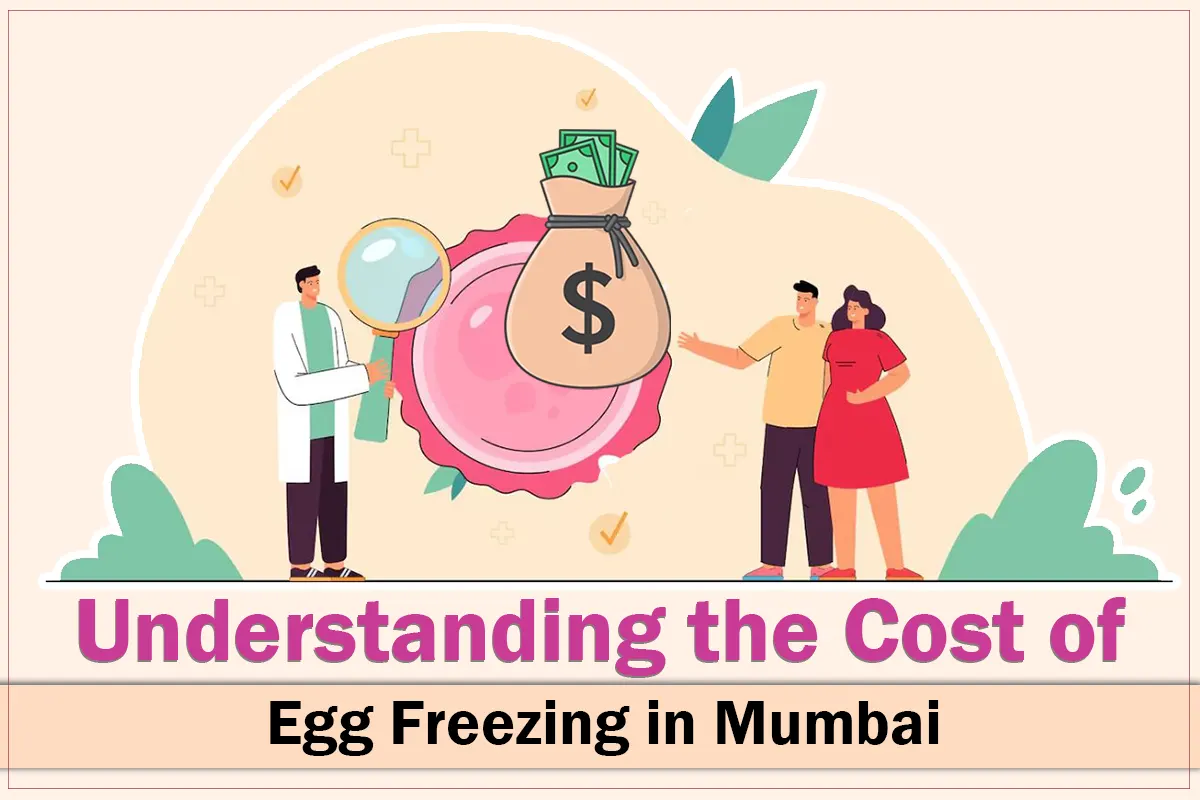 Not everyone wants to be a mother in their 20s or 30s. Due to declining fertility, women may find it much harder to conceive naturally when they’re older. Egg freezing is a popular method of fertility preservation that can help you get pregnant successfully in the future. But how affordable is freezing your eggs? Let’s explore the cost of egg freezing in Mumbai and the factors that contribute to the price.
What is Egg Freezing?
Egg freezing is a revolutionary method of preserving fertility. It allows women to ignore the incessant ticking of the biological clock and focus on their hopes, dreams, and goals for the present. It allows them to embrace parenthood safely, when they’re ready for it.
In the egg freezing process, you’ll first receive injections to stimulate your ovaries. This will help you produce multiple mature eggs instead of just one. Next, a doctor will retrieve these eggs from your ovaries through a thin needle while you’re sedated. The retrieved eggs are then flash frozen using liquid nitrogen and stored for later use.
The Cost of Egg Freezing in Mumbai
In Mumbai, one round of egg freezing is priced between ₹1 lakh and ₹3 lakh. The cost may vary from clinic to clinic depending on the treatment protocols and quality of care offered.
Some fertility clinics offer egg freezing packages with discounted rates on multiple freezing cycles, while others may offer EMI and payment plans to make treatment more affordable and accessible to everyone. The final cost of treatment depends on the price of treatment protocols, lab technology, medication, the clinic’s rates, storage fees, and so on.
Factors Affecting the Cost of Egg Freezing In Mumbai
There are several factors that affect the total price you can expect to pay for egg freezing in Mumbai, such as the number of cycles you undergo, your age and ovarian reserve, the clinic’s reputation and storage rates, and so on.
Number of Egg Freezing Cycles
Sometimes, a single cycle may not result in sufficient eggs. Your doctor will tell you how many eggs you should freeze based on your age, health, and fertility goals, and you may need multiple egg-freezing cycles to get there.
For example, if you’re in your late 20s and want two children in the future, your fertility specialist will tell you how many eggs you should aim to freeze. After that, you’ll undergo as many egg freezing cycles as you wish to try and meet that goal.
Age and Reproductive Health
The number of eggs retrieved in each cycle depends on your age and reproductive health. For example, it’s common for women under 35 to require only one or two freezing cycles, due to their high egg quality and quantity. Older women may require more cycles to freeze the same number of eggs.
On the other hand, most women with PCOS produce a large number of eggs, but their overall egg quality is poor, increasing the number of freezing cycles required and the total cost.
Clinic Location
Egg freezing can be expensive in tier 1 cities like Mumbai and Delhi, as fertility clinics in these cities tend to offer high-quality care, internationally trained fertility specialists, and state-of-the-art medical infrastructure.
Clinic Reputation
The cost of a single freezing cycle can vary depending on the clinic’s location, expertise, success rates, and the quality of treatment they offer. Most reputable fertility clinics have similar standard rates (₹1 lakh to ₹3 lakh), while smaller, less successful clinics may try to entice customers with extremely low prices.
Staff Expertise
Egg freezing can be more expensive in clinics run by experienced industry leaders or celebrity doctors. Famous fertility specialists command a higher rate, as they contribute to the clinic’s higher success rates and reputation.
Storage Fees
The fee for storing your eggs for up to a year usually costs between ₹20,000 and ₹30,000, depending on the clinic. Some clinics include storage fees in the price of the egg freezing cycle, while others insist that the two be paid separately.
Medication
Certain medications, such as injections used for ovarian stimulation, will be included in the egg freezing cost in Mumbai. Popular clinics use the highest-quality fertility drugs, while smaller, more affordable clinics might compromise on the quality of medication used. Corion Fertility Clinic offers affordable egg freezing services without any compromise on the quality of care offered.
Understanding the Cost of Egg Freezing in Mumbai
Egg freezing is a versatile fertility treatment that helps women freeze their eggs for use in the future. Without frozen eggs as a backup, women above 35 often find it harder to conceive and may require fertility treatments. Having frozen eggs can help you avoid multiple IVF cycles in the future, saving you both time and money.
Consult an experienced fertility specialist at Corion Fertility Clinic for affordable, high-quality egg freezing in Mumbai. Book a consultation today.
Frequently Asked Questions:
Q. What is the right age to freeze my eggs?
A. Many fertility specialists agree that the best time for women to freeze their eggs is between their late 20s and early 30s, as both egg quality and quantity peak during this age.
Q. Can I freeze my eggs after 35?
A. Yes, you can freeze your eggs after 35. Because egg quality and quantity decline after 35, you may experience lower success rates with egg freezing and may require more egg freezing cycles.
Q. What can lower egg quality?
A. Lifestyle factors like stress, smoking, drinking, and poor diet; conditions like PCOS and endometriosis; and environmental factors like toxins and pollution can all contribute to a decrease in egg quality.
Q. How does age affect fertility in women?
A. As women age, the quality and quantity of their eggs decreases. This increases the time required to get pregnant and can also result in infertility (age-related fertility decline).
Q. Can I improve my egg quality?
A. Yes, you can improve your egg quality by making lifestyle changes like quitting smoking and drinking and eating a diet rich in vitamins, minerals, and antioxidants.
Disclaimer:
The information shared in this blog is for educational purposes only and should not be used as a substitute for professional medical advice.

Understanding the Cost of Egg Freezing in Mumbai
Not everyone wants to be a mother in their 20s or 30s. Due to declining fertility, women may find it much harder to conceive naturally when they’re older. Egg freezing is a popular method of fertility preservation that can help you get pregnant successfully in the future. But how affordable is freezing your eggs? Let’s explore the cost of egg freezing in Mumbai and the factors that contribute to the price.
What is Egg Freezing?
Egg freezing is a revolutionary method of preserving fertility. It allows women to ignore the incessant ticking of the biological clock and focus on their hopes, dreams, and goals for the present. It allows them to embrace parenthood safely, when they’re ready for it.
In the egg freezing process, you’ll first receive injections to stimulate your ovaries. This will help you produce multiple mature eggs instead of just one. Next, a doctor will retrieve these eggs from your ovaries through a thin needle while you’re sedated. The retrieved eggs are then flash frozen using liquid nitrogen and stored for later use.
The Cost of Egg Freezing in Mumbai
In Mumbai, one round of egg freezing is priced between ₹1 lakh and ₹3 lakh. The cost may vary from clinic to clinic depending on the treatment protocols and quality of care offered.
Some fertility clinics offer egg freezing packages with discounted rates on multiple freezing cycles, while others may offer EMI and payment plans to make treatment more affordable and accessible to everyone. The final cost of treatment depends on the price of treatment protocols, lab technology, medication, the clinic’s rates, storage fees, and so on.
Factors Affecting the Cost of Egg Freezing In Mumbai
There are several factors that affect the total price you can expect to pay for egg freezing in Mumbai, such as the number of cycles you undergo, your age and ovarian reserve, the clinic’s reputation and storage rates, and so on.
Number of Egg Freezing Cycles
Sometimes, a single cycle may not result in sufficient eggs. Your doctor will tell you how many eggs you should freeze based on your age, health, and fertility goals, and you may need multiple egg-freezing cycles to get there.
For example, if you’re in your late 20s and want two children in the future, your fertility specialist will tell you how many eggs you should aim to freeze. After that, you’ll undergo as many egg freezing cycles as you wish to try and meet that goal.
Age and Reproductive Health
The number of eggs retrieved in each cycle depends on your age and reproductive health. For example, it’s common for women under 35 to require only one or two freezing cycles, due to their high egg quality and quantity. Older women may require more cycles to freeze the same number of eggs.
On the other hand, most women with PCOS produce a large number of eggs, but their overall egg quality is poor, increasing the number of freezing cycles required and the total cost.
Clinic Location
Egg freezing can be expensive in tier 1 cities like Mumbai and Delhi, as fertility clinics in these cities tend to offer high-quality care, internationally trained fertility specialists, and state-of-the-art medical infrastructure.
Clinic Reputation
The cost of a single freezing cycle can vary depending on the clinic’s location, expertise, success rates, and the quality of treatment they offer. Most reputable fertility clinics have similar standard rates (₹1 lakh to ₹3 lakh), while smaller, less successful clinics may try to entice customers with extremely low prices.
Staff Expertise
Egg freezing can be more expensive in clinics run by experienced industry leaders or celebrity doctors. Famous fertility specialists command a higher rate, as they contribute to the clinic’s higher success rates and reputation.
Storage Fees
The fee for storing your eggs for up to a year usually costs between ₹20,000 and ₹30,000, depending on the clinic. Some clinics include storage fees in the price of the egg freezing cycle, while others insist that the two be paid separately.
Medication
Certain medications, such as injections used for ovarian stimulation, will be included in the egg freezing cost in Mumbai. Popular clinics use the highest-quality fertility drugs, while smaller, more affordable clinics might compromise on the quality of medication used. Corion Fertility Clinic offers affordable egg freezing services without any compromise on the quality of care offered.
Understanding the Cost of Egg Freezing in Mumbai
Egg freezing is a versatile fertility treatment that helps women freeze their eggs for use in the future. Without frozen eggs as a backup, women above 35 often find it harder to conceive and may require fertility treatments. Having frozen eggs can help you avoid multiple IVF cycles in the future, saving you both time and money.
Consult an experienced fertility specialist at Corion Fertility Clinic for affordable, high-quality egg freezing in Mumbai. Book a consultation today.
Frequently Asked Questions:
Q. What is the right age to freeze my eggs?
A. Many fertility specialists agree that the best time for women to freeze their eggs is between their late 20s and early 30s, as both egg quality and quantity peak during this age.
Q. Can I freeze my eggs after 35?
A. Yes, you can freeze your eggs after 35. Because egg quality and quantity decline after 35, you may experience lower success rates with egg freezing and may require more egg freezing cycles.
Q. What can lower egg quality?
A. Lifestyle factors like stress, smoking, drinking, and poor diet; conditions like PCOS and endometriosis; and environmental factors like toxins and pollution can all contribute to a decrease in egg quality.
Q. How does age affect fertility in women?
A. As women age, the quality and quantity of their eggs decreases. This increases the time required to get pregnant and can also result in infertility (age-related fertility decline).
Q. Can I improve my egg quality?
A. Yes, you can improve your egg quality by making lifestyle changes like quitting smoking and drinking and eating a diet rich in vitamins, minerals, and antioxidants.
Disclaimer:
The information shared in this blog is for educational purposes only and should not be used as a substitute for professional medical advice.
Understanding the Cost of Egg Freezing in Mumbai
Not everyone wants to be a mother in their 20s or 30s. Due to declining fertility, women may find it much harder to conceive naturally when they’re older. Egg freezing is a popular method of fertility preservation that can help you get pregnant successfully in the future. But how affordable is freezing your eggs? Let’s explore the cost of egg freezing in Mumbai and the factors that contribute to the price.
What is Egg Freezing?
Egg freezing is a revolutionary method of preserving fertility. It allows women to ignore the incessant ticking of the biological clock and focus on their hopes, dreams, and goals for the present. It allows them to embrace parenthood safely, when they’re ready for it.
In the egg freezing process, you’ll first receive injections to stimulate your ovaries. This will help you produce multiple mature eggs instead of just one. Next, a doctor will retrieve these eggs from your ovaries through a thin needle while you’re sedated. The retrieved eggs are then flash frozen using liquid nitrogen and stored for later use.
The Cost of Egg Freezing in Mumbai
In Mumbai, one round of egg freezing is priced between ₹1 lakh and ₹3 lakh. The cost may vary from clinic to clinic depending on the treatment protocols and quality of care offered.
Some fertility clinics offer egg freezing packages with discounted rates on multiple freezing cycles, while others may offer EMI and payment plans to make treatment more affordable and accessible to everyone. The final cost of treatment depends on the price of treatment protocols, lab technology, medication, the clinic’s rates, storage fees, and so on.
Factors Affecting the Cost of Egg Freezing In Mumbai
There are several factors that affect the total price you can expect to pay for egg freezing in Mumbai, such as the number of cycles you undergo, your age and ovarian reserve, the clinic’s reputation and storage rates, and so on.
Number of Egg Freezing Cycles
Sometimes, a single cycle may not result in sufficient eggs. Your doctor will tell you how many eggs you should freeze based on your age, health, and fertility goals, and you may need multiple egg-freezing cycles to get there.
For example, if you’re in your late 20s and want two children in the future, your fertility specialist will tell you how many eggs you should aim to freeze. After that, you’ll undergo as many egg freezing cycles as you wish to try and meet that goal.
Age and Reproductive Health
The number of eggs retrieved in each cycle depends on your age and reproductive health. For example, it’s common for women under 35 to require only one or two freezing cycles, due to their high egg quality and quantity. Older women may require more cycles to freeze the same number of eggs.
On the other hand, most women with PCOS produce a large number of eggs, but their overall egg quality is poor, increasing the number of freezing cycles required and the total cost.
Clinic Location
Egg freezing can be expensive in tier 1 cities like Mumbai and Delhi, as fertility clinics in these cities tend to offer high-quality care, internationally trained fertility specialists, and state-of-the-art medical infrastructure.
Clinic Reputation
The cost of a single freezing cycle can vary depending on the clinic’s location, expertise, success rates, and the quality of treatment they offer. Most reputable fertility clinics have similar standard rates (₹1 lakh to ₹3 lakh), while smaller, less successful clinics may try to entice customers with extremely low prices.
Staff Expertise
Egg freezing can be more expensive in clinics run by experienced industry leaders or celebrity doctors. Famous fertility specialists command a higher rate, as they contribute to the clinic’s higher success rates and reputation.
Storage Fees
The fee for storing your eggs for up to a year usually costs between ₹20,000 and ₹30,000, depending on the clinic. Some clinics include storage fees in the price of the egg freezing cycle, while others insist that the two be paid separately.
Medication
Certain medications, such as injections used for ovarian stimulation, will be included in the egg freezing cost in Mumbai. Popular clinics use the highest-quality fertility drugs, while smaller, more affordable clinics might compromise on the quality of medication used. Corion Fertility Clinic offers affordable egg freezing services without any compromise on the quality of care offered.
Understanding the Cost of Egg Freezing in Mumbai
Egg freezing is a versatile fertility treatment that helps women freeze their eggs for use in the future. Without frozen eggs as a backup, women above 35 often find it harder to conceive and may require fertility treatments. Having frozen eggs can help you avoid multiple IVF cycles in the future, saving you both time and money.
Consult an experienced fertility specialist at Corion Fertility Clinic for affordable, high-quality egg freezing in Mumbai. Book a consultation today.
Frequently Asked Questions:
Q. What is the right age to freeze my eggs?
A. Many fertility specialists agree that the best time for women to freeze their eggs is between their late 20s and early 30s, as both egg quality and quantity peak during this age.
Q. Can I freeze my eggs after 35?
A. Yes, you can freeze your eggs after 35. Because egg quality and quantity decline after 35, you may experience lower success rates with egg freezing and may require more egg freezing cycles.
Q. What can lower egg quality?
A. Lifestyle factors like stress, smoking, drinking, and poor diet; conditions like PCOS and endometriosis; and environmental factors like toxins and pollution can all contribute to a decrease in egg quality.
Q. How does age affect fertility in women?
A. As women age, the quality and quantity of their eggs decreases. This increases the time required to get pregnant and can also result in infertility (age-related fertility decline).
Q. Can I improve my egg quality?
A. Yes, you can improve your egg quality by making lifestyle changes like quitting smoking and drinking and eating a diet rich in vitamins, minerals, and antioxidants.
Disclaimer:
The information shared in this blog is for educational purposes only and should not be used as a substitute for professional medical advice.
Embryo freezing is an important part of modern IVF treatment. It can preserve fertility, allow future pregnancy attempts, help reduce complications such as OHSS, and improve flexibility during IVF treatment. Above all, it empowers couples to plan their reproductive future with greater flexibility. In this blog, we provide a detailed step-by-step guide to the embryo freezing process.
Understanding the Cost of Egg Freezing in Mumbai
Not everyone wants to be a mother in their 20s or 30s. Due to declining fertility, women may find it much harder to conceive naturally when they’re older. Egg freezing is a popular method of fertility preservation that can help you get pregnant successfully in the future. But how affordable is freezing your eggs? Let’s explore the cost of egg freezing in Mumbai and the factors that contribute to the price.
What is Egg Freezing?
Egg freezing is a revolutionary method of preserving fertility. It allows women to ignore the incessant ticking of the biological clock and focus on their hopes, dreams, and goals for the present. It allows them to embrace parenthood safely, when they’re ready for it.
In the egg freezing process, you’ll first receive injections to stimulate your ovaries. This will help you produce multiple mature eggs instead of just one. Next, a doctor will retrieve these eggs from your ovaries through a thin needle while you’re sedated. The retrieved eggs are then flash frozen using liquid nitrogen and stored for later use.
The Cost of Egg Freezing in Mumbai
In Mumbai, one round of egg freezing is priced between ₹1 lakh and ₹3 lakh. The cost may vary from clinic to clinic depending on the treatment protocols and quality of care offered.
Some fertility clinics offer egg freezing packages with discounted rates on multiple freezing cycles, while others may offer EMI and payment plans to make treatment more affordable and accessible to everyone. The final cost of treatment depends on the price of treatment protocols, lab technology, medication, the clinic’s rates, storage fees, and so on.
Factors Affecting the Cost of Egg Freezing In Mumbai
There are several factors that affect the total price you can expect to pay for egg freezing in Mumbai, such as the number of cycles you undergo, your age and ovarian reserve, the clinic’s reputation and storage rates, and so on.
Number of Egg Freezing Cycles
Sometimes, a single cycle may not result in sufficient eggs. Your doctor will tell you how many eggs you should freeze based on your age, health, and fertility goals, and you may need multiple egg-freezing cycles to get there.
For example, if you’re in your late 20s and want two children in the future, your fertility specialist will tell you how many eggs you should aim to freeze. After that, you’ll undergo as many egg freezing cycles as you wish to try and meet that goal.
Age and Reproductive Health
The number of eggs retrieved in each cycle depends on your age and reproductive health. For example, it’s common for women under 35 to require only one or two freezing cycles, due to their high egg quality and quantity. Older women may require more cycles to freeze the same number of eggs.
On the other hand, most women with PCOS produce a large number of eggs, but their overall egg quality is poor, increasing the number of freezing cycles required and the total cost.
Clinic Location
Egg freezing can be expensive in tier 1 cities like Mumbai and Delhi, as fertility clinics in these cities tend to offer high-quality care, internationally trained fertility specialists, and state-of-the-art medical infrastructure.
Clinic Reputation
The cost of a single freezing cycle can vary depending on the clinic’s location, expertise, success rates, and the quality of treatment they offer. Most reputable fertility clinics have similar standard rates (₹1 lakh to ₹3 lakh), while smaller, less successful clinics may try to entice customers with extremely low prices.
Staff Expertise
Egg freezing can be more expensive in clinics run by experienced industry leaders or celebrity doctors. Famous fertility specialists command a higher rate, as they contribute to the clinic’s higher success rates and reputation.
Storage Fees
The fee for storing your eggs for up to a year usually costs between ₹20,000 and ₹30,000, depending on the clinic. Some clinics include storage fees in the price of the egg freezing cycle, while others insist that the two be paid separately.
Medication
Certain medications, such as injections used for ovarian stimulation, will be included in the egg freezing cost in Mumbai. Popular clinics use the highest-quality fertility drugs, while smaller, more affordable clinics might compromise on the quality of medication used. Corion Fertility Clinic offers affordable egg freezing services without any compromise on the quality of care offered.
Understanding the Cost of Egg Freezing in Mumbai
Egg freezing is a versatile fertility treatment that helps women freeze their eggs for use in the future. Without frozen eggs as a backup, women above 35 often find it harder to conceive and may require fertility treatments. Having frozen eggs can help you avoid multiple IVF cycles in the future, saving you both time and money.
Consult an experienced fertility specialist at Corion Fertility Clinic for affordable, high-quality egg freezing in Mumbai. Book a consultation today.
Frequently Asked Questions:
Q. What is the right age to freeze my eggs?
A. Many fertility specialists agree that the best time for women to freeze their eggs is between their late 20s and early 30s, as both egg quality and quantity peak during this age.
Q. Can I freeze my eggs after 35?
A. Yes, you can freeze your eggs after 35. Because egg quality and quantity decline after 35, you may experience lower success rates with egg freezing and may require more egg freezing cycles.
Q. What can lower egg quality?
A. Lifestyle factors like stress, smoking, drinking, and poor diet; conditions like PCOS and endometriosis; and environmental factors like toxins and pollution can all contribute to a decrease in egg quality.
Q. How does age affect fertility in women?
A. As women age, the quality and quantity of their eggs decreases. This increases the time required to get pregnant and can also result in infertility (age-related fertility decline).
Q. Can I improve my egg quality?
A. Yes, you can improve your egg quality by making lifestyle changes like quitting smoking and drinking and eating a diet rich in vitamins, minerals, and antioxidants.
Disclaimer:
The information shared in this blog is for educational purposes only and should not be used as a substitute for professional medical advice.

International fertility treatments offer attractive benefits like shorter waiting times, affordable pricing, and high-quality medical care. But many patients worry about what happens after they return home. How will an overseas clinic manage follow-up care? In this blog, we explain how fertility clinics ensure seamless ongoing care and support for international patients after IVF treatment abroad.
Copyright © 2026, Corion. All Rights Reserved.
Website is designed & developed by Phi Brands