Understanding the Cost of Egg Freezing in Mumbai

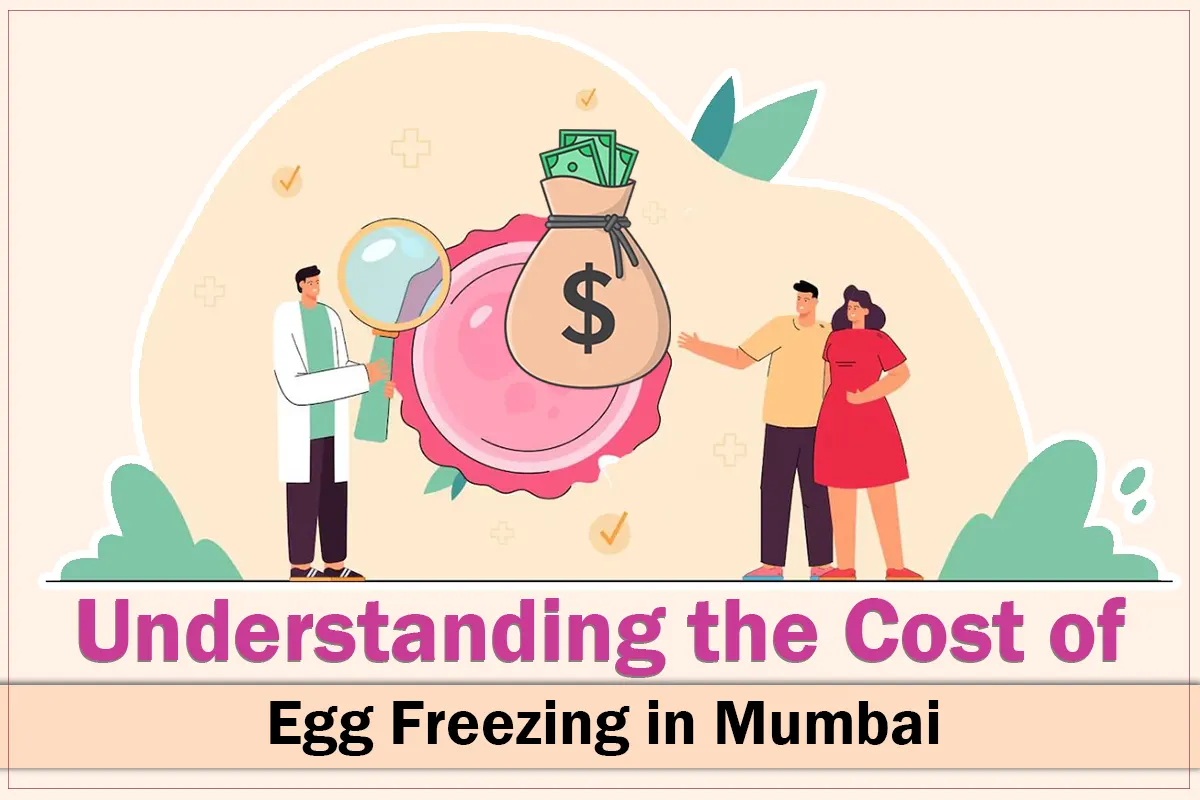
Understanding the Cost of Egg Freezing in Mumbai blog featured imageNot everyone wants to be a mother in their 20s or 30s. Due to declining fertility, women may find it much harder to conceive naturally when they’re older. Egg freezing is a popular method of fertility preservation that can help you get pregnant successfully in the future. But how affordable is freezing your eggs? Let’s explore the cost of egg freezing in Mumbai and the factors that contribute to the price.

What is Egg Freezing?

Egg freezing is a revolutionary method of preserving fertility. It allows women to ignore the incessant ticking of the biological clock and focus on their hopes, dreams, and goals for the present. It allows them to embrace parenthood safely, when they’re ready for it.

In the egg freezing process, you’ll first receive injections to stimulate your ovaries. This will help you produce multiple mature eggs instead of just one. Next, a doctor will retrieve these eggs from your ovaries through a thin needle while you’re sedated. The retrieved eggs are then flash frozen using liquid nitrogen and stored for later use.

The Cost of Egg Freezing in Mumbai

In Mumbai, one round of egg freezing is priced between ₹1 lakh and ₹3 lakh. The cost may vary from clinic to clinic depending on the treatment protocols and quality of care offered.

Some fertility clinics offer egg freezing packages with discounted rates on multiple freezing cycles, while others may offer EMI and payment plans to make treatment more affordable and accessible to everyone. The final cost of treatment depends on the price of treatment protocols, lab technology, medication, the clinic’s rates, storage fees, and so on.

Factors Affecting the Cost of Egg Freezing In Mumbai

There are several factors that affect the total price you can expect to pay for egg freezing in Mumbai, such as the number of cycles you undergo, your age and ovarian reserve, the clinic’s reputation and storage rates, and so on.

Number of Egg Freezing Cycles

Sometimes, a single cycle may not result in sufficient eggs. Your doctor will tell you how many eggs you should freeze based on your age, health, and fertility goals, and you may need multiple egg-freezing cycles to get there.

For example, if you’re in your late 20s and want two children in the future, your fertility specialist will tell you how many eggs you should aim to freeze. After that, you’ll undergo as many egg freezing cycles as you wish to try and meet that goal.

Age and Reproductive Health

The number of eggs retrieved in each cycle depends on your age and reproductive health. For example, it’s common for women under 35 to require only one or two freezing cycles, due to their high egg quality and quantity. Older women may require more cycles to freeze the same number of eggs.

On the other hand, most women with PCOS produce a large number of eggs, but their overall egg quality is poor, increasing the number of freezing cycles required and the total cost.

Clinic Location

Egg freezing can be expensive in tier 1 cities like Mumbai and Delhi, as fertility clinics in these cities tend to offer high-quality care, internationally trained fertility specialists, and state-of-the-art medical infrastructure.

Clinic Reputation

The cost of a single freezing cycle can vary depending on the clinic’s location, expertise, success rates, and the quality of treatment they offer. Most reputable fertility clinics have similar standard rates (₹1 lakh to ₹3 lakh), while smaller, less successful clinics may try to entice customers with extremely low prices.

Staff Expertise

Egg freezing can be more expensive in clinics run by experienced industry leaders or celebrity doctors. Famous fertility specialists command a higher rate, as they contribute to the clinic’s higher success rates and reputation.

Storage Fees

The fee for storing your eggs for up to a year usually costs between ₹20,000 and ₹30,000, depending on the clinic. Some clinics include storage fees in the price of the egg freezing cycle, while others insist that the two be paid separately.

Medication

Certain medications, such as injections used for ovarian stimulation, will be included in the egg freezing cost in Mumbai. Popular clinics use the highest-quality fertility drugs, while smaller, more affordable clinics might compromise on the quality of medication used. Corion Fertility Clinic offers affordable egg freezing services without any compromise on the quality of care offered.

Understanding the Cost of Egg Freezing in Mumbai
Egg freezing is a versatile fertility treatment that helps women freeze their eggs for use in the future. Without frozen eggs as a backup, women above 35 often find it harder to conceive and may require fertility treatments. Having frozen eggs can help you avoid multiple IVF cycles in the future, saving you both time and money.

Consult an experienced fertility specialist at Corion Fertility Clinic for affordable, high-quality egg freezing in Mumbai. Book a consultation today.

Frequently Asked Questions:

Q. What is the right age to freeze my eggs?
A. Many fertility specialists agree that the best time for women to freeze their eggs is between their late 20s and early 30s, as both egg quality and quantity peak during this age.

Q. Can I freeze my eggs after 35?
A. Yes, you can freeze your eggs after 35. Because egg quality and quantity decline after 35, you may experience lower success rates with egg freezing and may require more egg freezing cycles.

Q. What can lower egg quality?
A. Lifestyle factors like stress, smoking, drinking, and poor diet; conditions like PCOS and endometriosis; and environmental factors like toxins and pollution can all contribute to a decrease in egg quality.

Q. How does age affect fertility in women?
A. As women age, the quality and quantity of their eggs decreases. This increases the time required to get pregnant and can also result in infertility (age-related fertility decline).

Q. Can I improve my egg quality?
A. Yes, you can improve your egg quality by making lifestyle changes like quitting smoking and drinking and eating a diet rich in vitamins, minerals, and antioxidants.

Disclaimer:

The information shared in this blog is for educational purposes only and should not be used as a substitute for professional medical advice.

Bloating During Implantation: Is It a Sign of Early Pregnancy?

Abdominal discomfort and bloating during the two-week wait can feel confusing. It can leave you wondering: Is bloating during implantation a sign of pregnancy, and can it be a cause for concern? In this blog, we explore how bloating during implantation can happen, how to differentiate between period and pregnancy bloating, symptoms of early pregnancy, and when to take a pregnancy test.

When Does Bloating Start During Pregnancy?

Bloating during early pregnancy can start in the first few weeks of pregnancy and usually gets more intense by the third trimester. Almost two-thirds of women report bloating during the first trimester of ‌pregnancy, so it’s an experience that many pregnant women go through.

Hormonal changes during the luteal phase, such as a rise in progesterone, can slow down your digestion and cause bloating, cramping, and back pain during implantation and pregnancy.

This may sometimes be accompanied by cramps and bleeding. Implantation cramps can feel very similar to menstrual cramps. However, there are some ways you can tell them apart.

Does Implantation Cause Bloating?

Bloating during the two-week wait is more likely because of hormonal changes rather than implantation itself. Implantation itself is a microscopic process, and it’s unlikely to directly cause noticeable physical symptoms like bloating. 

Bloating can be caused by your menstrual cycle, weight gain, constipation, or certain foods. Medical conditions like infections, irritable bowel syndrome, endometriosis, or other gastrointestinal disorders can also contribute to bloating.

Early Pregnancy Changes

Fluctuating progesterone levels and your growing uterus can cause gas, constipation, and bloating.

Certain Foods

Eating some foods like beans and dairy can upset your stomach and cause bloating.

Swallowing Air

Air can get trapped in your digestive tract (aerophagia), which can happen because of eating too quickly, talking while eating, drinking through a straw, or consuming carbonated beverages.

Gut Issues

Gastrointestinal problems like IBS or lactose intolerance can cause gut irritation, gas, and bloating when you eat certain foods. If you already have these conditions, eating foods that you’re already sensitive to can cause more irritation and bloating than usual when you’re pregnant.

Health Conditions

Women with endometriosis or PCOS can experience bloating because of their conditions, and hormonal changes can make it feel more intense than usual.

How Do I Know If I Am Just Bloated vs Pregnant?

It can be difficult for hopeful mothers to distinguish between early pregnancy and random stomach bloating, especially since they both usually take place within the two-week wait.

A reliable method of telling them apart is paying attention to how you’re feeling. If you’re experiencing multiple pregnancy or implantation symptoms, checking in with a doctor might be the smart move. The most surefire way to tell is to take a pregnancy test, but it needs to be timed perfectly for an accurate result.

If you are undergoing IVF or a frozen embryo transfer (FET), bloating is very common due to the progesterone supplements involved in the process. This type of bloating can feel similar to early pregnancy symptoms, but it does not confirm implantation.

Symptoms of Early Pregnancy

It can take a while for pregnancy or implantation symptoms to manifest, so you may not experience them immediately after or during implantation.

Missed Period

The earliest sign of pregnancy can be a missed period, since you won’t ovulate or menstruate while pregnant.

Mood Swings

Pregnancy hormones can cause mood swings in early pregnancy.

Spotting/Bleeding

Implantation bleeding or spotting can occur 6–10 days after ovulation. You can experience bleeding later in the first trimester for various reasons, such as increased cervical sensitivity.

Cramping

Early pregnancy can cause uterine cramps that resemble period cramps at the start of the pregnancy.

Heightened Sense of Taste and Smell

Many women experience heightened senses of taste and smell during their first trimester of pregnancy. You may develop specific food cravings or aversions.

Nausea

Vomiting, an upset stomach, and nausea can be a side effect of hCG (human chorionic gonadotropin). However, this usually occurs a bit later in the pregnancy.

Constipation

The slowing down of the digestive system can cause bloating, gas, and constipation.

Sore Breasts

Breast tenderness and soreness can be one of the first signs of pregnancy, especially in women who do not experience it as a PMS symptom.

When to Take a Pregnancy Test

Implantation bloating is not a reliable indicator of pregnancy, since it usually happens because of hormonal changes and not the implantation itself. We understand feeling anxious and wanting to confirm whether you’re pregnant or not.

Home pregnancy tests measure hCG in your urine to confirm whether you’re pregnant or not. In the early stages of pregnancy, your hCG levels are not high enough to be detectable on the pregnancy test. We recommend testing on the first day of your missed period.

How to Relieve Gas and Bloating

Bloating can be painful and uncomfortable. Here are some ways you can relieve bloating during implantation:

Make Dietary Changes

Focus on having light meals and try to cut out foods like cabbage, beans, broccoli, and carbonated drinks. Instead, fibre-rich food and probiotic drinks can ease gas and constipation.

Exercise Regularly

Gentle exercise and relaxation techniques like yoga and breathing exercises can speed up your digestion and prevent bloating.

Take Medication

Taking stool softeners, laxatives, and OTC supplements can provide relief from gas and painful bloating. Always consult a doctor before taking any medication during early pregnancy or while trying to conceive.

Use Probiotics

Probiotics can improve digestion and support gut health. Eating probiotic-rich foods or taking probiotic supplements can resolve digestive issues and bloating.

Hydrate

Drinking enough water can provide relief from constipation and bloating by improving digestion.

Bloating During Implantation: Final Thoughts

Bloating and constipation can sometimes be a sign of early pregnancy, but it shouldn’t be accepted as a sign of confirmed pregnancy. Eating smaller portions, gentle exercise, and hydrating well can provide some relief from painful bloating during implantation.

Mild bloating is common and shouldn’t be a serious concern. However, if you experience signs of implantation that feel unusual or concerning, speak to your doctor or fertility specialist.

If you’re experiencing confusing symptoms during the two-week wait, get a free consultation about your pregnancy journey and symptoms by writing to us at reachus@corionfertilityclinic.com.

Frequently Asked Questions:

Period bloating and pregnancy bloating are virtually indistinguishable from each other since they’re both side effects of high levels of progesterone. The most reliable way to confirm pregnancy is by taking a properly timed pregnancy test.

Stool softeners, gentle exercise, regular meals, fibre-rich food, lots of water, and probiotics can relieve gas and bloating during pregnancy.

The rising progesterone levels in early pregnancy can interfere with and slow down your digestive system, which can cause bloating.

Bloating during pregnancy can feel like a tight, uncomfortable feeling in your stomach. Some women describe feeling like they’re “full” or extremely gassy.

Sometimes stress can make pregnancy symptoms more intense. However, it should not usually have any effect on your body during implantation.

Disclaimer:

The information shared in this blog is for educational purpose only and should not be used as a substitute for professional medical advice 

Understanding the Cost of Egg Freezing in Mumbai

Understanding the Cost of Egg Freezing in Mumbai blog featured imageNot everyone wants to be a mother in their 20s or 30s. Due to declining fertility, women may find it much harder to conceive naturally when they’re older. Egg freezing is a popular method of fertility preservation that can help you get pregnant successfully in the future. But how affordable is freezing your eggs? Let’s explore the cost of egg freezing in Mumbai and the factors that contribute to the price.

What is Egg Freezing?

Egg freezing is a revolutionary method of preserving fertility. It allows women to ignore the incessant ticking of the biological clock and focus on their hopes, dreams, and goals for the present. It allows them to embrace parenthood safely, when they’re ready for it.

In the egg freezing process, you’ll first receive injections to stimulate your ovaries. This will help you produce multiple mature eggs instead of just one. Next, a doctor will retrieve these eggs from your ovaries through a thin needle while you’re sedated. The retrieved eggs are then flash frozen using liquid nitrogen and stored for later use.

The Cost of Egg Freezing in Mumbai

In Mumbai, one round of egg freezing is priced between ₹1 lakh and ₹3 lakh. The cost may vary from clinic to clinic depending on the treatment protocols and quality of care offered.

Some fertility clinics offer egg freezing packages with discounted rates on multiple freezing cycles, while others may offer EMI and payment plans to make treatment more affordable and accessible to everyone. The final cost of treatment depends on the price of treatment protocols, lab technology, medication, the clinic’s rates, storage fees, and so on.

Factors Affecting the Cost of Egg Freezing In Mumbai

There are several factors that affect the total price you can expect to pay for egg freezing in Mumbai, such as the number of cycles you undergo, your age and ovarian reserve, the clinic’s reputation and storage rates, and so on.

Number of Egg Freezing Cycles

Sometimes, a single cycle may not result in sufficient eggs. Your doctor will tell you how many eggs you should freeze based on your age, health, and fertility goals, and you may need multiple egg-freezing cycles to get there.

For example, if you’re in your late 20s and want two children in the future, your fertility specialist will tell you how many eggs you should aim to freeze. After that, you’ll undergo as many egg freezing cycles as you wish to try and meet that goal.

Age and Reproductive Health

The number of eggs retrieved in each cycle depends on your age and reproductive health. For example, it’s common for women under 35 to require only one or two freezing cycles, due to their high egg quality and quantity. Older women may require more cycles to freeze the same number of eggs.

On the other hand, most women with PCOS produce a large number of eggs, but their overall egg quality is poor, increasing the number of freezing cycles required and the total cost.

Clinic Location

Egg freezing can be expensive in tier 1 cities like Mumbai and Delhi, as fertility clinics in these cities tend to offer high-quality care, internationally trained fertility specialists, and state-of-the-art medical infrastructure.

Clinic Reputation

The cost of a single freezing cycle can vary depending on the clinic’s location, expertise, success rates, and the quality of treatment they offer. Most reputable fertility clinics have similar standard rates (₹1 lakh to ₹3 lakh), while smaller, less successful clinics may try to entice customers with extremely low prices.

Staff Expertise

Egg freezing can be more expensive in clinics run by experienced industry leaders or celebrity doctors. Famous fertility specialists command a higher rate, as they contribute to the clinic’s higher success rates and reputation.

Storage Fees

The fee for storing your eggs for up to a year usually costs between ₹20,000 and ₹30,000, depending on the clinic. Some clinics include storage fees in the price of the egg freezing cycle, while others insist that the two be paid separately.

Medication

Certain medications, such as injections used for ovarian stimulation, will be included in the egg freezing cost in Mumbai. Popular clinics use the highest-quality fertility drugs, while smaller, more affordable clinics might compromise on the quality of medication used. Corion Fertility Clinic offers affordable egg freezing services without any compromise on the quality of care offered.

Understanding the Cost of Egg Freezing in Mumbai

Egg freezing is a versatile fertility treatment that helps women freeze their eggs for use in the future. Without frozen eggs as a backup, women above 35 often find it harder to conceive and may require fertility treatments. Having frozen eggs can help you avoid multiple IVF cycles in the future, saving you both time and money.

Consult an experienced fertility specialist at Corion Fertility Clinic for affordable, high-quality egg freezing in Mumbai. Book a consultation today.

Frequently Asked Questions:

Q. What is the right age to freeze my eggs?
A. Many fertility specialists agree that the best time for women to freeze their eggs is between their late 20s and early 30s, as both egg quality and quantity peak during this age.

Q. Can I freeze my eggs after 35?
A. Yes, you can freeze your eggs after 35. Because egg quality and quantity decline after 35, you may experience lower success rates with egg freezing and may require more egg freezing cycles.

Q. What can lower egg quality?
A. Lifestyle factors like stress, smoking, drinking, and poor diet; conditions like PCOS and endometriosis; and environmental factors like toxins and pollution can all contribute to a decrease in egg quality.

Q. How does age affect fertility in women?
A. As women age, the quality and quantity of their eggs decreases. This increases the time required to get pregnant and can also result in infertility (age-related fertility decline).

Q. Can I improve my egg quality?
A. Yes, you can improve your egg quality by making lifestyle changes like quitting smoking and drinking and eating a diet rich in vitamins, minerals, and antioxidants.

Disclaimer:

The information shared in this blog is for educational purposes only and should not be used as a substitute for professional medical advice.

Bloating During Implantation: Is It a Sign of Early Pregnancy?

Abdominal discomfort and bloating during the two-week wait can feel confusing. It can leave you wondering: Is bloating during implantation a sign of pregnancy, and can it be a cause for concern? In this blog, we explore how bloating during implantation can happen, how to differentiate between period and pregnancy bloating, symptoms of early pregnancy, and when to take a pregnancy test.

When Does Bloating Start During Pregnancy?

Bloating during early pregnancy can start in the first few weeks of pregnancy and usually gets more intense by the third trimester. Almost two-thirds of women report bloating during the first trimester of ‌pregnancy, so it’s an experience that many pregnant women go through.

Hormonal changes during the luteal phase, such as a rise in progesterone, can slow down your digestion and cause bloating, cramping, and back pain during implantation and pregnancy.

This may sometimes be accompanied by cramps and bleeding. Implantation cramps can feel very similar to menstrual cramps. However, there are some ways you can tell them apart.

Does Implantation Cause Bloating?

Bloating during the two-week wait is more likely because of hormonal changes rather than implantation itself. Implantation itself is a microscopic process, and it’s unlikely to directly cause noticeable physical symptoms like bloating. 

Bloating can be caused by your menstrual cycle, weight gain, constipation, or certain foods. Medical conditions like infections, irritable bowel syndrome, endometriosis, or other gastrointestinal disorders can also contribute to bloating.

Early Pregnancy Changes

Fluctuating progesterone levels and your growing uterus can cause gas, constipation, and bloating.

Certain Foods

Eating some foods like beans and dairy can upset your stomach and cause bloating.

Swallowing Air

Air can get trapped in your digestive tract (aerophagia), which can happen because of eating too quickly, talking while eating, drinking through a straw, or consuming carbonated beverages.

Gut Issues

Gastrointestinal problems like IBS or lactose intolerance can cause gut irritation, gas, and bloating when you eat certain foods. If you already have these conditions, eating foods that you’re already sensitive to can cause more irritation and bloating than usual when you’re pregnant.

Health Conditions

Women with endometriosis or PCOS can experience bloating because of their conditions, and hormonal changes can make it feel more intense than usual.

How Do I Know If I Am Just Bloated vs Pregnant?

It can be difficult for hopeful mothers to distinguish between early pregnancy and random stomach bloating, especially since they both usually take place within the two-week wait.

A reliable method of telling them apart is paying attention to how you’re feeling. If you’re experiencing multiple pregnancy or implantation symptoms, checking in with a doctor might be the smart move. The most surefire way to tell is to take a pregnancy test, but it needs to be timed perfectly for an accurate result.

If you are undergoing IVF or a frozen embryo transfer (FET), bloating is very common due to the progesterone supplements involved in the process. This type of bloating can feel similar to early pregnancy symptoms, but it does not confirm implantation.

Symptoms of Early Pregnancy

It can take a while for pregnancy or implantation symptoms to manifest, so you may not experience them immediately after or during implantation.

Missed Period

The earliest sign of pregnancy can be a missed period, since you won’t ovulate or menstruate while pregnant.

Mood Swings

Pregnancy hormones can cause mood swings in early pregnancy.

Spotting/Bleeding

Implantation bleeding or spotting can occur 6–10 days after ovulation. You can experience bleeding later in the first trimester for various reasons, such as increased cervical sensitivity.

Cramping

Early pregnancy can cause uterine cramps that resemble period cramps at the start of the pregnancy.

Heightened Sense of Taste and Smell

Many women experience heightened senses of taste and smell during their first trimester of pregnancy. You may develop specific food cravings or aversions.

Nausea

Vomiting, an upset stomach, and nausea can be a side effect of hCG (human chorionic gonadotropin). However, this usually occurs a bit later in the pregnancy.

Constipation

The slowing down of the digestive system can cause bloating, gas, and constipation.

Sore Breasts

Sore Breasts

Sore Breasts

Breast tenderness and soreness can be one of the first signs of pregnancy, especially in women who do not experience it as a PMS symptom.

When to Take a Pregnancy Test

Implantation bloating is not a reliable indicator of pregnancy, since it usually happens because of hormonal changes and not the implantation itself. We understand feeling anxious and wanting to confirm whether you’re pregnant or not.

Home pregnancy tests measure hCG in your urine to confirm whether you’re pregnant or not. In the early stages of pregnancy, your hCG levels are not high enough to be detectable on the pregnancy test. We recommend testing on the first day of your missed period.

Frequently Asked Questions:

You must have two functioning ovaries: just having one isn’t enough since that limits the number of mature eggs you can donate per cycle.

During the egg donation process, the eggs are collected directly from the ovaries. Since the fallopian tubes are not required, you can donate your eggs even if you’ve had your tubes tied.

Women who have an active or past history of certain sexually transmitted diseases (STDs/STIs) and other infectious diseases cannot donate their eggs.

Yes, having an arm implant can temporarily disqualify you from donating your eggs. However, you will be able to donate eggs if you get the implant removed.

You cannot participate in two egg donation programs at the same time. Corion Fertility Clinic does not accept applicants who are actively enrolled with another egg donation program or agency.

Disclaimer:

The information shared in this blog is for educational purpose only and should not be used as a substitute for professional medical advice 

Understanding the Cost of Egg Freezing in Mumbai

Understanding the Cost of Egg Freezing in Mumbai blog featured imageNot everyone wants to be a mother in their 20s or 30s. Due to declining fertility, women may find it much harder to conceive naturally when they’re older. Egg freezing is a popular method of fertility preservation that can help you get pregnant successfully in the future. But how affordable is freezing your eggs? Let’s explore the cost of egg freezing in Mumbai and the factors that contribute to the price.

What is Egg Freezing?

Egg freezing is a revolutionary method of preserving fertility. It allows women to ignore the incessant ticking of the biological clock and focus on their hopes, dreams, and goals for the present. It allows them to embrace parenthood safely, when they’re ready for it.

In the egg freezing process, you’ll first receive injections to stimulate your ovaries. This will help you produce multiple mature eggs instead of just one. Next, a doctor will retrieve these eggs from your ovaries through a thin needle while you’re sedated. The retrieved eggs are then flash frozen using liquid nitrogen and stored for later use.

The Cost of Egg Freezing in Mumbai

In Mumbai, one round of egg freezing is priced between ₹1 lakh and ₹3 lakh. The cost may vary from clinic to clinic depending on the treatment protocols and quality of care offered.

Some fertility clinics offer egg freezing packages with discounted rates on multiple freezing cycles, while others may offer EMI and payment plans to make treatment more affordable and accessible to everyone. The final cost of treatment depends on the price of treatment protocols, lab technology, medication, the clinic’s rates, storage fees, and so on.

Factors Affecting the Cost of Egg Freezing In Mumbai

There are several factors that affect the total price you can expect to pay for egg freezing in Mumbai, such as the number of cycles you undergo, your age and ovarian reserve, the clinic’s reputation and storage rates, and so on.

Number of Egg Freezing Cycles

Sometimes, a single cycle may not result in sufficient eggs. Your doctor will tell you how many eggs you should freeze based on your age, health, and fertility goals, and you may need multiple egg-freezing cycles to get there.

For example, if you’re in your late 20s and want two children in the future, your fertility specialist will tell you how many eggs you should aim to freeze. After that, you’ll undergo as many egg freezing cycles as you wish to try and meet that goal.

Age and Reproductive Health

The number of eggs retrieved in each cycle depends on your age and reproductive health. For example, it’s common for women under 35 to require only one or two freezing cycles, due to their high egg quality and quantity. Older women may require more cycles to freeze the same number of eggs.

On the other hand, most women with PCOS produce a large number of eggs, but their overall egg quality is poor, increasing the number of freezing cycles required and the total cost.

Clinic Location

Egg freezing can be expensive in tier 1 cities like Mumbai and Delhi, as fertility clinics in these cities tend to offer high-quality care, internationally trained fertility specialists, and state-of-the-art medical infrastructure.

Clinic Reputation

The cost of a single freezing cycle can vary depending on the clinic’s location, expertise, success rates, and the quality of treatment they offer. Most reputable fertility clinics have similar standard rates (₹1 lakh to ₹3 lakh), while smaller, less successful clinics may try to entice customers with extremely low prices.

Staff Expertise

Egg freezing can be more expensive in clinics run by experienced industry leaders or celebrity doctors. Famous fertility specialists command a higher rate, as they contribute to the clinic’s higher success rates and reputation.

Storage Fees

The fee for storing your eggs for up to a year usually costs between ₹20,000 and ₹30,000, depending on the clinic. Some clinics include storage fees in the price of the egg freezing cycle, while others insist that the two be paid separately.

Medication

Certain medications, such as injections used for ovarian stimulation, will be included in the egg freezing cost in Mumbai. Popular clinics use the highest-quality fertility drugs, while smaller, more affordable clinics might compromise on the quality of medication used. Corion Fertility Clinic offers affordable egg freezing services without any compromise on the quality of care offered.

Understanding the Cost of Egg Freezing in Mumbai

Egg freezing is a versatile fertility treatment that helps women freeze their eggs for use in the future. Without frozen eggs as a backup, women above 35 often find it harder to conceive and may require fertility treatments. Having frozen eggs can help you avoid multiple IVF cycles in the future, saving you both time and money.

Consult an experienced fertility specialist at Corion Fertility Clinic for affordable, high-quality egg freezing in Mumbai. Book a consultation today.

Frequently Asked Questions:

Q. What is the right age to freeze my eggs?
A. Many fertility specialists agree that the best time for women to freeze their eggs is between their late 20s and early 30s, as both egg quality and quantity peak during this age.

Q. Can I freeze my eggs after 35?
A. Yes, you can freeze your eggs after 35. Because egg quality and quantity decline after 35, you may experience lower success rates with egg freezing and may require more egg freezing cycles.

Q. What can lower egg quality?
A. Lifestyle factors like stress, smoking, drinking, and poor diet; conditions like PCOS and endometriosis; and environmental factors like toxins and pollution can all contribute to a decrease in egg quality.

Q. How does age affect fertility in women?
A. As women age, the quality and quantity of their eggs decreases. This increases the time required to get pregnant and can also result in infertility (age-related fertility decline).

Q. Can I improve my egg quality?
A. Yes, you can improve your egg quality by making lifestyle changes like quitting smoking and drinking and eating a diet rich in vitamins, minerals, and antioxidants.

Disclaimer:

The information shared in this blog is for educational purposes only and should not be used as a substitute for professional medical advice.

After You Return Home: Ongoing Care & Support After IVF Treatment Abroad

International fertility treatments offer attractive benefits like shorter waiting times, affordable pricing, and high-quality medical care. But many patients worry about what happens after they return home. How will an overseas clinic manage follow-up care? In this blog, we explain how fertility clinics ensure seamless ongoing care and support for international patients after IVF treatment abroad.

Continuity of Care in IVF Treatment Overseas

Continuity of care is making sure that healthcare is coordinated and connected, delivered consistently and seamlessly throughout a patient’s treatment journey. Whether you’re considering IVF or donor egg options in India, your fertility clinic must ensure that there are no gaps in medical treatment once you return to your home country.

At Corion Fertility Clinic, continuity of care extends beyond your stay in India. We ensure that even after you’ve returned home, our team continues to guide and support you every step of the way.

Continuity of Care with Your International Patient Coordinator

Each international patient at Corion Fertility Clinic is assigned a dedicated fertility coordinator, who manages their treatment schedule and medical appointments. Your international patient coordinator will help you feel supported every step of the way. They ensure that your treatment flows smoothly and that you receive the medical care you need even after you’re discharged from our clinic.

Point Of Contact

Your fertility coordinator is your point of contact with doctors and medical staff. They also facilitate communication between you, your doctors, and your care team.

Continuous Assistance

From before you arrive in India to after you return home, your fertility coordinator supports you throughout the entire fertility journey and ensures that your journey remains seamless and coordinated.

Special Requests

The fertility coordinator can also assist with any special requests you have, such as rescheduling appointments, contacting a member of your care team, helping you understand a particular treatment option, and so on. They can help you schedule online follow-up consultations, make travel arrangements, and answer any queries you may have along the way.

Discussing Post-Treatment Care

After choosing a fertility clinic for IVF treatment abroad, discuss what your options are in case your IVF cycle is unsuccessful. This is a real possibility, irrespective of where you seek fertility treatment. Will you pursue another cycle immediately or let your body recover from the previous cycle? Letting your care team know about your preferences will help them plan your post-treatment care.

If there are multiple embryos left over after IVF treatment abroad, what do you plan on doing with them? If you wish to freeze them, you may choose to keep them in the country or have them shipped to your home country. Discuss your options with your fertility specialist or speak to our care team at reachus@corionfertilityclinic.com for more information about freezing your embryos overseas.

Before Your Arrival

First, you contact the clinic and discuss your treatment goals. Then, the clinic will schedule a remote online consultation to decide on your preliminary course of treatment. You will need to send the clinic your detailed family history and may have to complete some diagnostic tests locally to cut down the time needed for international treatment.

As a medical tourist seeking fertility treatment abroad, you will require the proper documentation to make your journey go smoothly and without delays. Your clinic may offer some support in helping you get a medical visa for the duration you will be staying for treatment.

During Your Visit

Your fertility clinic may offer concierge services for your time in the country. Clinics that have experience in treating international patients often go the extra mile and assist with arranging international flights, accommodation, travel plans, sightseeing trips, etc.

After You Leave

Once you’re done with your treatment, all that’s left is tying up any loose ends and heading home. Your fertility clinic will assist you with any legal paperwork you might need. Once you’re back in your home country, we will schedule some online follow-ups to ensure that your recovery is proceeding smoothly. You can then choose to transfer your care to a local clinic.

Why Choose Fertility Tourism in India?

India has emerged as a top destination for overseas fertility treatment. It offers advanced medical infrastructure, competitive success rates, and innovative fertility treatment protocols. Australians and Canadians are choosing fertility treatment abroad because of limited treatment options in their country, long waiting times, and strict legal requirements, while Americans are exploring international options because of the high cost of treatment.

In India, surrogacy is permitted only for Indian citizens, NRIs, and OCI/POI cardholders. International patients who are eligible for surrogacy in India can take advantage of its affordable pricing. Top clinics in Indian cities, like Corion Fertility Clinic, offer advanced fertility preservation techniques, multi-language support, and a welcoming culture that prioritizes parenthood and supports aspiring parents.

Why Do International Patients Choose Corion Fertility Clinic?

Choosing a top-rated fertility clinic like Corion can help you secure your reproductive goals. Here are some reasons why international patients choose us for fertility treatment abroad:

  • 20+ Years of Experience
  • Internationally Trained Fertility Experts
  • High Success Rates
  • 10000+ ART Babies
  • Transparent Pricing Packages
  • Legal Help and Fertility Counselling
  • Multi-Language Support
  • In-House Pathology, Endoscopy and Sonography Services

Many international patients choose Corion Fertility Clinic because of its exceptional care and quality of treatment at affordable rates. Our team ensures that your fertility journey is comfortable and that you are informed about each step of the process.

We understand how hard it is to travel to another country for treatment. We assist you at every step of the journey, from online consultations to helping you plan your stay and finding accommodation.

Our fertility services include In Vitro Fertilisation (IVF), Intrauterine Insemination (IUI), egg freezing, egg donor treatment, Preimplantation Genetic Testing (PGT-A), and treatments for male factor infertility such as Intracytoplasmic Sperm Injection (ICSI) and advanced sperm retrieval techniques such as Micro TESE/TESA. We also offer altruistic surrogacy treatment to Indian citizens, NRIs, and people of Indian origin.

Fertility Treatment Abroad: Final Thoughts

Parenthood is one of life’s greatest joys. We understand the urge to seek fertility treatment abroad that can help you achieve your family planning goals without any financial setbacks. Corion Fertility Clinic offers comprehensive fertility treatments, including IVF, ICSI, egg freezing, and surrogacy in India.

Our team of physicians, gynaecologists, embryologists, technologists, and therapists can provide you with personalized, holistic fertility treatment at affordable rates. We make your fertility journey smooth and comfortable by offering 24/7 support and comprehensive fertility counselling.

Book a free online consultation at Corion Fertility Clinic today for world-class IVF, egg freezing, and legal surrogacy services with high success rates. Begin your journey to parenthood today.

Frequently Asked Questions:

International patients travelling abroad for fertility treatments should first arrange an online consultation with their clinic of choice and discuss their treatment protocols. The fertility clinic will oversee your travel and help you plan your time efficiently.

Before travelling to another country for treatment, we recommend getting a routine check-up and some fertility tests. You can also prepare copies of your medical history and take any vaccines that you might need.

Yes, foreigners can get almost all fertility treatments like IVF, ICSI, egg freezing, and donor egg IVF in India. The only exception is surrogacy, which is reserved for Indian citizens, NRIs, and OCI/POI card holders.

Yes, Corion Fertility Clinic offers language support for international patients. Our staff is multilingual, and we can also provide you with a dedicated staff member who can speak your language and help you navigate your time in the city.

Importing frozen egg, sperm or embryo is NOT legal in India.

Disclaimer:

The information shared in this blog is for educational purpose only and should not be used as a substitute for professional medical advice 

Copyright © 2026, Corion. All Rights Reserved.

Website is designed & developed by Phi Brands