Understanding the Cost of Egg Freezing in Mumbai

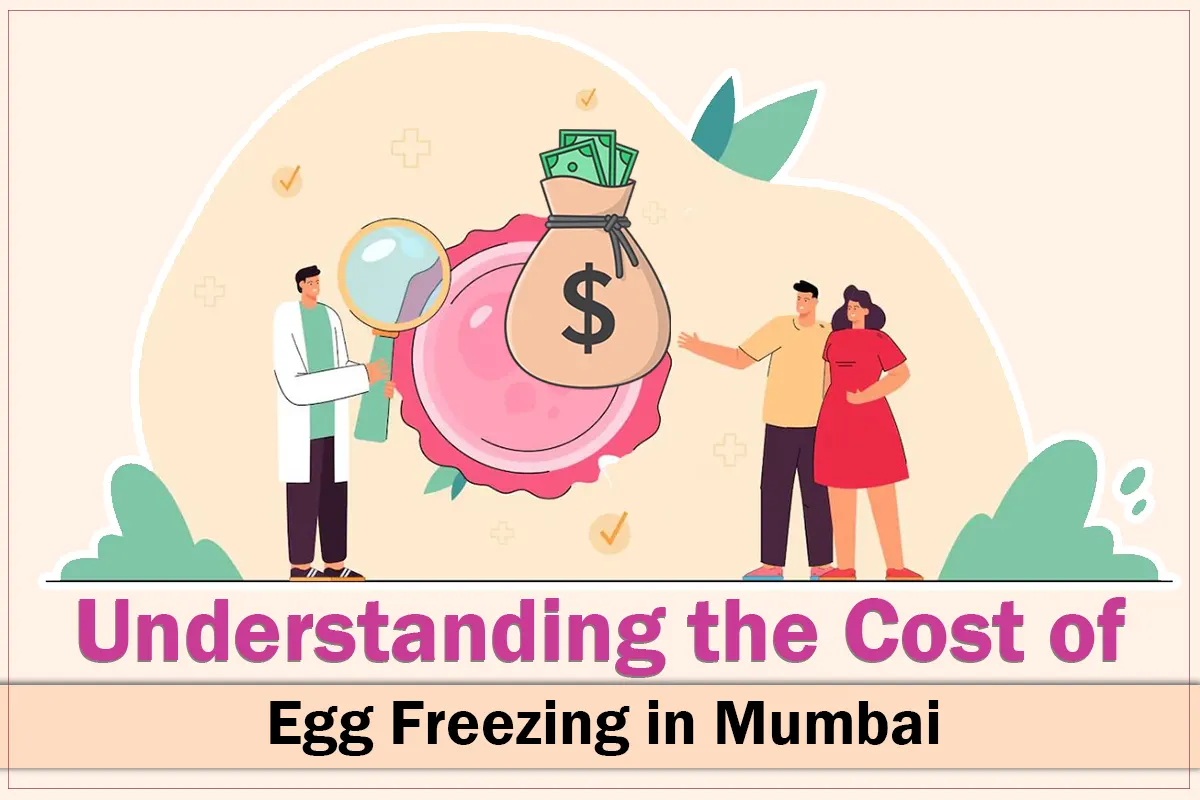
Understanding the Cost of Egg Freezing in Mumbai blog featured imageNot everyone wants to be a mother in their 20s or 30s. Due to declining fertility, women may find it much harder to conceive naturally when they’re older. Egg freezing is a popular method of fertility preservation that can help you get pregnant successfully in the future. But how affordable is freezing your eggs? Let’s explore the cost of egg freezing in Mumbai and the factors that contribute to the price.

What is Egg Freezing?

Egg freezing is a revolutionary method of preserving fertility. It allows women to ignore the incessant ticking of the biological clock and focus on their hopes, dreams, and goals for the present. It allows them to embrace parenthood safely, when they’re ready for it.

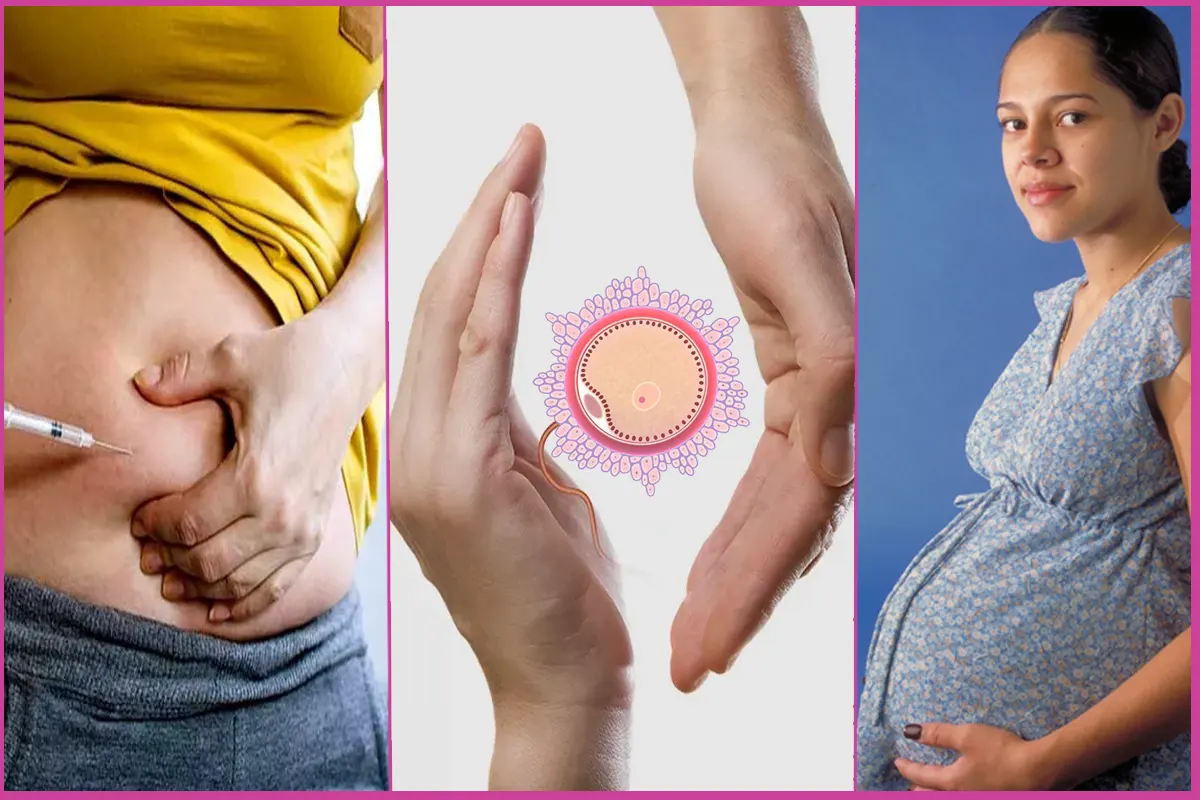
In the egg freezing process, you’ll first receive injections to stimulate your ovaries. This will help you produce multiple mature eggs instead of just one. Next, a doctor will retrieve these eggs from your ovaries through a thin needle while you’re sedated. The retrieved eggs are then flash frozen using liquid nitrogen and stored for later use.

The Cost of Egg Freezing in Mumbai

In Mumbai, one round of egg freezing is priced between ₹1 lakh and ₹3 lakh. The cost may vary from clinic to clinic depending on the treatment protocols and quality of care offered.

Some fertility clinics offer egg freezing packages with discounted rates on multiple freezing cycles, while others may offer EMI and payment plans to make treatment more affordable and accessible to everyone. The final cost of treatment depends on the price of treatment protocols, lab technology, medication, the clinic’s rates, storage fees, and so on.

Factors Affecting the Cost of Egg Freezing In Mumbai

There are several factors that affect the total price you can expect to pay for egg freezing in Mumbai, such as the number of cycles you undergo, your age and ovarian reserve, the clinic’s reputation and storage rates, and so on.

Number of Egg Freezing Cycles

Sometimes, a single cycle may not result in sufficient eggs. Your doctor will tell you how many eggs you should freeze based on your age, health, and fertility goals, and you may need multiple egg-freezing cycles to get there.

For example, if you’re in your late 20s and want two children in the future, your fertility specialist will tell you how many eggs you should aim to freeze. After that, you’ll undergo as many egg freezing cycles as you wish to try and meet that goal.

Age and Reproductive Health

The number of eggs retrieved in each cycle depends on your age and reproductive health. For example, it’s common for women under 35 to require only one or two freezing cycles, due to their high egg quality and quantity. Older women may require more cycles to freeze the same number of eggs.

On the other hand, most women with PCOS produce a large number of eggs, but their overall egg quality is poor, increasing the number of freezing cycles required and the total cost.

Clinic Location

Egg freezing can be expensive in tier 1 cities like Mumbai and Delhi, as fertility clinics in these cities tend to offer high-quality care, internationally trained fertility specialists, and state-of-the-art medical infrastructure.

Clinic Reputation

The cost of a single freezing cycle can vary depending on the clinic’s location, expertise, success rates, and the quality of treatment they offer. Most reputable fertility clinics have similar standard rates (₹1 lakh to ₹3 lakh), while smaller, less successful clinics may try to entice customers with extremely low prices.

Staff Expertise

Egg freezing can be more expensive in clinics run by experienced industry leaders or celebrity doctors. Famous fertility specialists command a higher rate, as they contribute to the clinic’s higher success rates and reputation.

Storage Fees

The fee for storing your eggs for up to a year usually costs between ₹20,000 and ₹30,000, depending on the clinic. Some clinics include storage fees in the price of the egg freezing cycle, while others insist that the two be paid separately.

Medication

Certain medications, such as injections used for ovarian stimulation, will be included in the egg freezing cost in Mumbai. Popular clinics use the highest-quality fertility drugs, while smaller, more affordable clinics might compromise on the quality of medication used. Corion Fertility Clinic offers affordable egg freezing services without any compromise on the quality of care offered.

Understanding the Cost of Egg Freezing in Mumbai
Egg freezing is a versatile fertility treatment that helps women freeze their eggs for use in the future. Without frozen eggs as a backup, women above 35 often find it harder to conceive and may require fertility treatments. Having frozen eggs can help you avoid multiple IVF cycles in the future, saving you both time and money.

Consult an experienced fertility specialist at Corion Fertility Clinic for affordable, high-quality egg freezing in Mumbai. Book a consultation today.

Frequently Asked Questions:

Q. What is the right age to freeze my eggs?
A. Many fertility specialists agree that the best time for women to freeze their eggs is between their late 20s and early 30s, as both egg quality and quantity peak during this age.

Q. Can I freeze my eggs after 35?
A. Yes, you can freeze your eggs after 35. Because egg quality and quantity decline after 35, you may experience lower success rates with egg freezing and may require more egg freezing cycles.

Q. What can lower egg quality?
A. Lifestyle factors like stress, smoking, drinking, and poor diet; conditions like PCOS and endometriosis; and environmental factors like toxins and pollution can all contribute to a decrease in egg quality.

Q. How does age affect fertility in women?
A. As women age, the quality and quantity of their eggs decreases. This increases the time required to get pregnant and can also result in infertility (age-related fertility decline).

Q. Can I improve my egg quality?
A. Yes, you can improve your egg quality by making lifestyle changes like quitting smoking and drinking and eating a diet rich in vitamins, minerals, and antioxidants.

Disclaimer:

The information shared in this blog is for educational purposes only and should not be used as a substitute for professional medical advice.
Family Building Through ART: Explore IVF Treatment, Egg Donation & Surrogacy Options

Millions of intended parents worldwide struggle with infertility, which can pose a significant hurdle on their path to parenthood. Fertility treatments like ART can help intended parents overcome infertility issues and pursue different paths toward parenthood. In this blog, we discuss what Assisted Reproductive Technology is, who can use it, and the various types of ART treatments available.

What Is Assisted Reproductive Technology (ART)?

Assisted Reproductive Technology (ART) includes fertility procedures designed to help those who find natural conception difficult or impossible. More specifically, it encompasses all procedures that involve surgically collecting eggs from a woman and combining them with sperm in a controlled environment.

All ART treatments involve handling or laboratory manipulation of eggs, sperm, or embryos. Any fertility treatment that solely handles sperm (intrauterine insemination) or ovarian functioning without retrieving eggs (ovarian stimulation or ovulation induction) cannot be classified as an ART technique.

Who Can Benefit from Assisted Reproductive Technology?

Anyone who has difficulty conceiving naturally can benefit from ART. These treatments typically have high success rates and aim to increase the chances of fertilization, implantation, and a successful pregnancy. ART is often recommended to intended parents who have tried fertility treatments in the past but have not been able to conceive.

The following intended parents are great candidates for ART:

Infertile Couples

Couples dealing with male factor, female factor, or unexplained infertility can overcome their fertility challenges with ART treatments.

Women With Medical Conditions

Conditions such as PCOS and endometriosis can affect female fertility and make natural conception more difficult.

Genetic Disorders

Some intended parents may have genetic conditions that they could pass down to their offspring.

Single Individuals

Single men and women can practice family building through ART using donor gametes or surrogacy.

LGBTQ+ Intended Parents

LGBTQ+ couples may require egg donors, sperm donors, or surrogacy to build their family.

Semi-Open Donation

In a semi-open donation, the donor and recipient maintain partial contact with each other. 

You can choose how much information you’re comfortable revealing to the other party. For example, you may feel uncomfortable exchanging contact numbers, but may be willing to set up a video call through the donor agency.

Open Egg Donation

In an open egg donation, the egg donor and recipients communicate with each other directly, without the involvement of a mediator or third party. You could meet the intended parents in person and even maintain a relationship after the baby is born. The level of communication must be mutually decided to prevent future disagreements.

Known Donation

A known donation involves a friend or family member acting as an egg donor. Known donors must pass the mandatory medical and physical screening before being able to donate their eggs.

Open ID

In this type of donation, a child born of donor eggs can approach the donor agency when they’re 18 to request their egg donor’s contact information. This method ensures that donor-conceived children have a way to contact their donor to get medical information or establish a relationship with.

Types of Assisted Reproductive Technology

There are several types of ART treatments available to intended parents. Our team carefully reviews your fertility history to offer personalized medical guidance and treatment plans.

Want to pursue family building through ART? Let’s take a look at the most popular ART techniques.

In Vitro Fertilization (IVF)

IVF is an advanced fertility treatment that involves surgically retrieving eggs from a woman’s body and fertilizing them with sperm to create embryos. These embryos are monitored for 3–5 days in a laboratory, and the most viable ones are transferred to the woman’s uterus.

IVF is the most popular type of ART procedure due to its high success rates and its ability to treat multiple types of fertility issues.

Intracytoplasmic Sperm Injection (ICSI)

ICSI is a specialized form of IVF that can be used to improve the success rates of IVF, particularly when male infertility is involved. In ICSI, a single sperm cell is injected into a mature egg to fertilize it.

Frozen Embryo Transfer (FET)

Often, embryologists fertilize multiple eggs in one IVF cycle. Only the most viable embryos are transferred, and the remaining embryos can be frozen and preserved for future use.

Most clinics will suggest preserving these embryos, so you can try again if your current cycle fails. Frozen embryo transfer allows patients to attempt pregnancy again without repeating the steps of ovarian stimulation and egg retrieval.

Genetic Testing

Genetic testing identifies embryos with chromosomal defects or genetic disorders. The embryos that test normal may have a higher chance of implantation and resulting in a successful pregnancy.

Third-Party Assisted Reproductive Technology

As the name suggests, third-party ART techniques involve a third party who donates gametes or carries a pregnancy for an intended parent. Third-party ART techniques are usually recommended to couples who have experienced multiple IVF failures or have genetic conditions that they do not want to pass on to their offspring.

Egg Donation

Most women are born with thousands of eggs. But as they get older, the quality and quantity of their eggs decline, which makes it harder to get pregnant. Women with poor egg quality or diminished ovarian reserve can undergo IVF using donor eggs.

Egg donation is the best option for women who are able to carry a pregnancy but cannot use their own eggs. Most egg donors are healthy young women who have to meet strict requirements to be eligible to donate.

In some countries, such as the United States, egg donors may receive compensation for their eggs. In others (including Canada and the UK) egg donation is considered an altruistic act.

Sperm Donation

Donated sperm from a third party can be used to facilitate pregnancy for another patient through ART treatments such as IVF and ICSI. Men with poor quality sperm, no sperm in their semen, or inheritable genetic disorders may need to use donor sperm. Donor sperm is also used to carry out IVF treatment for single women.

Surrogacy

Surrogacy is an agreement in which a woman agrees to carry a pregnancy for another couple or individual. There are two main types of surrogacy arrangements.

  • In traditional surrogacy, the surrogate’s own eggs are used. This can cause legal issues for intended parents, as the surrogate is genetically related to the baby and can claim parental rights. It is illegal in many parts of the world.
  • In gestational surrogacy, eggs are obtained from one of the intended parents or from an egg donor. This ensures that the surrogate is not biologically related to the baby she carries.

Most countries restrict the use of surrogacy to those who have a medical need for it, and most intended parents choose surrogacy after experiencing multiple IVF failures.

Which is the Right Option For You?

Many intended parents who pursue ART describe their journey as both emotional and deeply rewarding.

“From our very first appointment, it was clear that we were not just patients, but individuals whose dreams and hopes you truly understood and cared for. Your team’s dedication and expertise not only gave us confidence but provided comfort in the moments when we needed it most.” -Google Review by Sandee Jaya

Today, almost everyone has the opportunity to pursue family building through ART. The success of your ART procedure will depend on your age, fertility issues, reproductive health, underlying health conditions, and the type of ART technique you choose.

Choose ART Treatments at Corion Fertility Clinic

Family building through ART has become more accessible than ever before. ART treatments offer many intended parents hope for a brighter future, one where they can build their family in a safe and fulfilling manner. 

Corion Fertility Clinic offers cutting edge technology, personalized care, and holistic treatment plans tailored to improve your reproductive outcomes. From conception to cradles, we take care of the logistics, so you can look forward to meeting your little ones. Contact our fertility specialists today to discuss the ART techniques that could help you begin your journey towards parenthood.

Frequently Asked Questions:

Certain genetic conditions like Fragile X and Turner’s syndrome can be passed down from parent to offspring. Using donor eggs can help women with these conditions have children free of genetic diseases.

No, ART (Assisted Reproductive Technology) and IVF (In Vitro Fertilization) are not the same. IVF is the most popular type of ART treatment and is one of several ART procedures that aim to improve your chances of conception.

Egg freezing is a form of Assisted Reproductive Technology and a means of fertility preservation for women of reproductive age.

Egg freezing allows women to preserve their fertility for longer and delay pregnancy for personal or professional reasons.

Your age, medical history, reproductive health, embryo quality, and your clinic’s success rate play an important role in determining the success of your ART procedure.

Disclaimer:

The information shared in this blog is for educational purpose only and should not be used as a substitute for professional medical advice 

Understanding the Cost of Egg Freezing in Mumbai

Understanding the Cost of Egg Freezing in Mumbai blog featured imageNot everyone wants to be a mother in their 20s or 30s. Due to declining fertility, women may find it much harder to conceive naturally when they’re older. Egg freezing is a popular method of fertility preservation that can help you get pregnant successfully in the future. But how affordable is freezing your eggs? Let’s explore the cost of egg freezing in Mumbai and the factors that contribute to the price.

What is Egg Freezing?

Egg freezing is a revolutionary method of preserving fertility. It allows women to ignore the incessant ticking of the biological clock and focus on their hopes, dreams, and goals for the present. It allows them to embrace parenthood safely, when they’re ready for it.

In the egg freezing process, you’ll first receive injections to stimulate your ovaries. This will help you produce multiple mature eggs instead of just one. Next, a doctor will retrieve these eggs from your ovaries through a thin needle while you’re sedated. The retrieved eggs are then flash frozen using liquid nitrogen and stored for later use.

The Cost of Egg Freezing in Mumbai

In Mumbai, one round of egg freezing is priced between ₹1 lakh and ₹3 lakh. The cost may vary from clinic to clinic depending on the treatment protocols and quality of care offered.

Some fertility clinics offer egg freezing packages with discounted rates on multiple freezing cycles, while others may offer EMI and payment plans to make treatment more affordable and accessible to everyone. The final cost of treatment depends on the price of treatment protocols, lab technology, medication, the clinic’s rates, storage fees, and so on.

Factors Affecting the Cost of Egg Freezing In Mumbai

There are several factors that affect the total price you can expect to pay for egg freezing in Mumbai, such as the number of cycles you undergo, your age and ovarian reserve, the clinic’s reputation and storage rates, and so on.

Number of Egg Freezing Cycles

Sometimes, a single cycle may not result in sufficient eggs. Your doctor will tell you how many eggs you should freeze based on your age, health, and fertility goals, and you may need multiple egg-freezing cycles to get there.

For example, if you’re in your late 20s and want two children in the future, your fertility specialist will tell you how many eggs you should aim to freeze. After that, you’ll undergo as many egg freezing cycles as you wish to try and meet that goal.

Age and Reproductive Health

The number of eggs retrieved in each cycle depends on your age and reproductive health. For example, it’s common for women under 35 to require only one or two freezing cycles, due to their high egg quality and quantity. Older women may require more cycles to freeze the same number of eggs.

On the other hand, most women with PCOS produce a large number of eggs, but their overall egg quality is poor, increasing the number of freezing cycles required and the total cost.

Clinic Location

Egg freezing can be expensive in tier 1 cities like Mumbai and Delhi, as fertility clinics in these cities tend to offer high-quality care, internationally trained fertility specialists, and state-of-the-art medical infrastructure.

Clinic Reputation

The cost of a single freezing cycle can vary depending on the clinic’s location, expertise, success rates, and the quality of treatment they offer. Most reputable fertility clinics have similar standard rates (₹1 lakh to ₹3 lakh), while smaller, less successful clinics may try to entice customers with extremely low prices.

Staff Expertise

Egg freezing can be more expensive in clinics run by experienced industry leaders or celebrity doctors. Famous fertility specialists command a higher rate, as they contribute to the clinic’s higher success rates and reputation.

Storage Fees

The fee for storing your eggs for up to a year usually costs between ₹20,000 and ₹30,000, depending on the clinic. Some clinics include storage fees in the price of the egg freezing cycle, while others insist that the two be paid separately.

Medication

Certain medications, such as injections used for ovarian stimulation, will be included in the egg freezing cost in Mumbai. Popular clinics use the highest-quality fertility drugs, while smaller, more affordable clinics might compromise on the quality of medication used. Corion Fertility Clinic offers affordable egg freezing services without any compromise on the quality of care offered.

Understanding the Cost of Egg Freezing in Mumbai

Egg freezing is a versatile fertility treatment that helps women freeze their eggs for use in the future. Without frozen eggs as a backup, women above 35 often find it harder to conceive and may require fertility treatments. Having frozen eggs can help you avoid multiple IVF cycles in the future, saving you both time and money.

Consult an experienced fertility specialist at Corion Fertility Clinic for affordable, high-quality egg freezing in Mumbai. Book a consultation today.

Frequently Asked Questions:

Q. What is the right age to freeze my eggs?
A. Many fertility specialists agree that the best time for women to freeze their eggs is between their late 20s and early 30s, as both egg quality and quantity peak during this age.

Q. Can I freeze my eggs after 35?
A. Yes, you can freeze your eggs after 35. Because egg quality and quantity decline after 35, you may experience lower success rates with egg freezing and may require more egg freezing cycles.

Q. What can lower egg quality?
A. Lifestyle factors like stress, smoking, drinking, and poor diet; conditions like PCOS and endometriosis; and environmental factors like toxins and pollution can all contribute to a decrease in egg quality.

Q. How does age affect fertility in women?
A. As women age, the quality and quantity of their eggs decreases. This increases the time required to get pregnant and can also result in infertility (age-related fertility decline).

Q. Can I improve my egg quality?
A. Yes, you can improve your egg quality by making lifestyle changes like quitting smoking and drinking and eating a diet rich in vitamins, minerals, and antioxidants.

Disclaimer:

The information shared in this blog is for educational purposes only and should not be used as a substitute for professional medical advice.

Ethical and Legal Aspects of Egg Donation in Canada: Laws, Donor Rights, and Regulations

Every year, thousands of individuals and couples in Canada are diagnosed with infertility. Assisted reproductive technologies (ART) such as egg donation provide a hopeful path to parenthood for many of them. If you’re considering using donor eggs or becoming an egg donor, this blog explores the ethical and legal aspects of egg donation in Canada to help people like you make informed decisions.

Legal Aspects of Egg Donation in Canada

The Assisted Human Reproduction Act (AHRA) establishes the legal framework for assisted reproduction technologies in Canada, including egg donation, sperm donation, and surrogacy.

Altruistic Egg Donation

In Canada, egg donors cannot receive payment or make a profit from donating their eggs. They can be reimbursed for reasonable expenses, like transportation and medication, that are related to the donation process.

Donor Requirements

According to the Assisted Human Reproduction Act (AHRA),

  • Donors must be 18 years of age or older.
  • Written, informed consent is required before sperm or ova can be used.
  • It is illegal to pay for gametes (sperm or eggs) or to pay a surrogate. However, reasonable documented expenses can be reimbursed.
  • Donors are typically required by clinics to be healthy and free from significant genetic or hereditary illnesses.
  • Potential donors must typically undergo medical screening, genetic testing, and psychological evaluation.

Reimbursement Regulation

Health Canada introduced detailed reimbursement regulations in 2020 to provide clarity on which expenses can legally be reimbursed. The AHRA distinguishes between compensation and reimbursement:

Compensation refers to payment beyond direct costs and is illegal in Canada.

Reimbursement refers to documented expenses directly related to the donation process, such as travel, medication, or childcare.

Donor Consent

The egg donor must be fully informed about the procedures, medication, and risks of the egg donation process before it begins. She must provide informed written consent before she can donate her eggs.

Anonymous vs. Known Egg Donors

Egg donors and donor egg recipients can decide how much contact they want to have with each other. Intended parents and egg donors have full control over the level of contact they wish to maintain, and whether they want donor-conceived children to have the ability to contact the donor in the future.

Anonymous Donation

In an anonymous or unknown donation, the egg donor and recipients agree to have no contact or communication with each other. You would not have any identifying information about the other party, and would have to communicate or pass on information through a lawyer or agency.

Semi-Open Donation

In a semi-open donation, the donor and recipient maintain partial contact with each other. 

You can choose how much information you’re comfortable revealing to the other party. For example, you may feel uncomfortable exchanging contact numbers, but may be willing to set up a video call through the donor agency.

Open Egg Donation

In an open egg donation, the egg donor and recipients communicate with each other directly, without the involvement of a mediator or third party. You could meet the intended parents in person and even maintain a relationship after the baby is born. The level of communication must be mutually decided to prevent future disagreements.

Known Donation

A known donation involves a friend or family member acting as an egg donor. Known donors must pass the mandatory medical and physical screening before being able to donate their eggs.

Open ID

In this type of donation, a child born of donor eggs can approach the donor agency when they’re 18 to request their egg donor’s contact information. This method ensures that donor-conceived children have a way to contact their donor to get medical information or establish a relationship with.

Ethical Aspects of Egg Donation in Canada

Many individuals and organizations have expressed criticism of Canada’s current legislation for egg donation. The AHRA has been criticized for not protecting the interests of intended parents and egg donors. Here are some of the main issues that have been brought to light in recent years:

Many individuals and organizations have expressed criticism of Canada’s current legislation for egg donation. The AHRA has been criticized for not protecting the interests of intended parents and egg donors. Here are some of the main issues that have been brought to light in recent years:

Many individuals and organizations have expressed criticism of Canada’s current legislation for egg donation. The AHRA has been criticized for not protecting the interests of intended parents and egg donors. Here are some of the main issues that have been brought to light in recent years:

Frequently Asked Questions:

You can prepare for parenthood through surrogacy by joining support groups for intended parents, reading parenting guides, and exploring resources that help you feel supported and confident during your parenting journey.

Surrogates may naturally feel some emotional connection during pregnancy. However, most surrogates understand that they are carrying the baby for the intended parents. Some surrogates describe caring for the baby but not feeling attached to it.

Practising skin-to-skin contact with newborn babies improves brain functioning, temperature regulation, immunity, organ function, sleep, and the bond with parents.

Bonding can feel different for everyone: some parents bond with the baby instantly while others may take weeks or months to build an emotional connection with their surrogate baby.

Babies are naturally comforted by the scent of the woman who carried them during pregnancy. This can gradually fade as the baby becomes familiar with their parents’ voices, touch, and scent.

Disclaimer:

The information shared in this blog is for educational purpose only and should not be used as a substitute for professional medical advice 

Understanding the Cost of Egg Freezing in Mumbai

Understanding the Cost of Egg Freezing in Mumbai blog featured imageNot everyone wants to be a mother in their 20s or 30s. Due to declining fertility, women may find it much harder to conceive naturally when they’re older. Egg freezing is a popular method of fertility preservation that can help you get pregnant successfully in the future. But how affordable is freezing your eggs? Let’s explore the cost of egg freezing in Mumbai and the factors that contribute to the price.

What is Egg Freezing?

Egg freezing is a revolutionary method of preserving fertility. It allows women to ignore the incessant ticking of the biological clock and focus on their hopes, dreams, and goals for the present. It allows them to embrace parenthood safely, when they’re ready for it.

In the egg freezing process, you’ll first receive injections to stimulate your ovaries. This will help you produce multiple mature eggs instead of just one. Next, a doctor will retrieve these eggs from your ovaries through a thin needle while you’re sedated. The retrieved eggs are then flash frozen using liquid nitrogen and stored for later use.

The Cost of Egg Freezing in Mumbai

In Mumbai, one round of egg freezing is priced between ₹1 lakh and ₹3 lakh. The cost may vary from clinic to clinic depending on the treatment protocols and quality of care offered.

Some fertility clinics offer egg freezing packages with discounted rates on multiple freezing cycles, while others may offer EMI and payment plans to make treatment more affordable and accessible to everyone. The final cost of treatment depends on the price of treatment protocols, lab technology, medication, the clinic’s rates, storage fees, and so on.

Factors Affecting the Cost of Egg Freezing In Mumbai

There are several factors that affect the total price you can expect to pay for egg freezing in Mumbai, such as the number of cycles you undergo, your age and ovarian reserve, the clinic’s reputation and storage rates, and so on.

Number of Egg Freezing Cycles

Sometimes, a single cycle may not result in sufficient eggs. Your doctor will tell you how many eggs you should freeze based on your age, health, and fertility goals, and you may need multiple egg-freezing cycles to get there.

For example, if you’re in your late 20s and want two children in the future, your fertility specialist will tell you how many eggs you should aim to freeze. After that, you’ll undergo as many egg freezing cycles as you wish to try and meet that goal.

Age and Reproductive Health

The number of eggs retrieved in each cycle depends on your age and reproductive health. For example, it’s common for women under 35 to require only one or two freezing cycles, due to their high egg quality and quantity. Older women may require more cycles to freeze the same number of eggs.

On the other hand, most women with PCOS produce a large number of eggs, but their overall egg quality is poor, increasing the number of freezing cycles required and the total cost.

Clinic Location

Egg freezing can be expensive in tier 1 cities like Mumbai and Delhi, as fertility clinics in these cities tend to offer high-quality care, internationally trained fertility specialists, and state-of-the-art medical infrastructure.

Clinic Reputation

The cost of a single freezing cycle can vary depending on the clinic’s location, expertise, success rates, and the quality of treatment they offer. Most reputable fertility clinics have similar standard rates (₹1 lakh to ₹3 lakh), while smaller, less successful clinics may try to entice customers with extremely low prices.

Staff Expertise

Egg freezing can be more expensive in clinics run by experienced industry leaders or celebrity doctors. Famous fertility specialists command a higher rate, as they contribute to the clinic’s higher success rates and reputation.

Storage Fees

The fee for storing your eggs for up to a year usually costs between ₹20,000 and ₹30,000, depending on the clinic. Some clinics include storage fees in the price of the egg freezing cycle, while others insist that the two be paid separately.

Medication

Certain medications, such as injections used for ovarian stimulation, will be included in the egg freezing cost in Mumbai. Popular clinics use the highest-quality fertility drugs, while smaller, more affordable clinics might compromise on the quality of medication used. Corion Fertility Clinic offers affordable egg freezing services without any compromise on the quality of care offered.

Understanding the Cost of Egg Freezing in Mumbai

Egg freezing is a versatile fertility treatment that helps women freeze their eggs for use in the future. Without frozen eggs as a backup, women above 35 often find it harder to conceive and may require fertility treatments. Having frozen eggs can help you avoid multiple IVF cycles in the future, saving you both time and money.

Consult an experienced fertility specialist at Corion Fertility Clinic for affordable, high-quality egg freezing in Mumbai. Book a consultation today.

Frequently Asked Questions:

Q. What is the right age to freeze my eggs?
A. Many fertility specialists agree that the best time for women to freeze their eggs is between their late 20s and early 30s, as both egg quality and quantity peak during this age.

Q. Can I freeze my eggs after 35?
A. Yes, you can freeze your eggs after 35. Because egg quality and quantity decline after 35, you may experience lower success rates with egg freezing and may require more egg freezing cycles.

Q. What can lower egg quality?
A. Lifestyle factors like stress, smoking, drinking, and poor diet; conditions like PCOS and endometriosis; and environmental factors like toxins and pollution can all contribute to a decrease in egg quality.

Q. How does age affect fertility in women?
A. As women age, the quality and quantity of their eggs decreases. This increases the time required to get pregnant and can also result in infertility (age-related fertility decline).

Q. Can I improve my egg quality?
A. Yes, you can improve your egg quality by making lifestyle changes like quitting smoking and drinking and eating a diet rich in vitamins, minerals, and antioxidants.

Disclaimer:

The information shared in this blog is for educational purposes only and should not be used as a substitute for professional medical advice.

After You Return Home: Ongoing Care & Support After IVF Treatment Abroad

International fertility treatments offer attractive benefits like shorter waiting times, affordable pricing, and high-quality medical care. But many patients worry about what happens after they return home. How will an overseas clinic manage follow-up care? In this blog, we explain how fertility clinics ensure seamless ongoing care and support for international patients after IVF treatment abroad.

Continuity of Care in IVF Treatment Overseas

Continuity of care is making sure that healthcare is coordinated and connected, delivered consistently and seamlessly throughout a patient’s treatment journey. Whether you’re considering IVF or donor egg options in India, your fertility clinic must ensure that there are no gaps in medical treatment once you return to your home country.

At Corion Fertility Clinic, continuity of care extends beyond your stay in India. We ensure that even after you’ve returned home, our team continues to guide and support you every step of the way.

Continuity of Care with Your International Patient Coordinator

Each international patient at Corion Fertility Clinic is assigned a dedicated fertility coordinator, who manages their treatment schedule and medical appointments. Your international patient coordinator will help you feel supported every step of the way. They ensure that your treatment flows smoothly and that you receive the medical care you need even after you’re discharged from our clinic.

Point Of Contact

Your fertility coordinator is your point of contact with doctors and medical staff. They also facilitate communication between you, your doctors, and your care team.

Continuous Assistance

From before you arrive in India to after you return home, your fertility coordinator supports you throughout the entire fertility journey and ensures that your journey remains seamless and coordinated.

Special Requests

The fertility coordinator can also assist with any special requests you have, such as rescheduling appointments, contacting a member of your care team, helping you understand a particular treatment option, and so on. They can help you schedule online follow-up consultations, make travel arrangements, and answer any queries you may have along the way.

Discussing Post-Treatment Care

After choosing a fertility clinic for IVF treatment abroad, discuss what your options are in case your IVF cycle is unsuccessful. This is a real possibility, irrespective of where you seek fertility treatment. Will you pursue another cycle immediately or let your body recover from the previous cycle? Letting your care team know about your preferences will help them plan your post-treatment care.

If there are multiple embryos left over after IVF treatment abroad, what do you plan on doing with them? If you wish to freeze them, you may choose to keep them in the country or have them shipped to your home country. Discuss your options with your fertility specialist or speak to our care team at reachus@corionfertilityclinic.com for more information about freezing your embryos overseas.

Before Your Arrival

First, you contact the clinic and discuss your treatment goals. Then, the clinic will schedule a remote online consultation to decide on your preliminary course of treatment. You will need to send the clinic your detailed family history and may have to complete some diagnostic tests locally to cut down the time needed for international treatment.

As a medical tourist seeking fertility treatment abroad, you will require the proper documentation to make your journey go smoothly and without delays. Your clinic may offer some support in helping you get a medical visa for the duration you will be staying for treatment.

During Your Visit

Your fertility clinic may offer concierge services for your time in the country. Clinics that have experience in treating international patients often go the extra mile and assist with arranging international flights, accommodation, travel plans, sightseeing trips, etc.

After You Leave

Once you’re done with your treatment, all that’s left is tying up any loose ends and heading home. Your fertility clinic will assist you with any legal paperwork you might need. Once you’re back in your home country, we will schedule some online follow-ups to ensure that your recovery is proceeding smoothly. You can then choose to transfer your care to a local clinic.

Why Choose Fertility Tourism in India?

India has emerged as a top destination for overseas fertility treatment. It offers advanced medical infrastructure, competitive success rates, and innovative fertility treatment protocols. Australians and Canadians are choosing fertility treatment abroad because of limited treatment options in their country, long waiting times, and strict legal requirements, while Americans are exploring international options because of the high cost of treatment.

In India, surrogacy is permitted only for Indian citizens, NRIs, and OCI/POI cardholders. International patients who are eligible for surrogacy in India can take advantage of its affordable pricing. Top clinics in Indian cities, like Corion Fertility Clinic, offer advanced fertility preservation techniques, multi-language support, and a welcoming culture that prioritizes parenthood and supports aspiring parents.

Why Do International Patients Choose Corion Fertility Clinic?

Choosing a top-rated fertility clinic like Corion can help you secure your reproductive goals. Here are some reasons why international patients choose us for fertility treatment abroad:

  • 20+ Years of Experience
  • Internationally Trained Fertility Experts
  • High Success Rates
  • 10000+ ART Babies
  • Transparent Pricing Packages
  • Legal Help and Fertility Counselling
  • Multi-Language Support
  • In-House Pathology, Endoscopy and Sonography Services

Many international patients choose Corion Fertility Clinic because of its exceptional care and quality of treatment at affordable rates. Our team ensures that your fertility journey is comfortable and that you are informed about each step of the process.

We understand how hard it is to travel to another country for treatment. We assist you at every step of the journey, from online consultations to helping you plan your stay and finding accommodation.

Our fertility services include In Vitro Fertilisation (IVF), Intrauterine Insemination (IUI), egg freezing, egg donor treatment, Preimplantation Genetic Testing (PGT-A), and treatments for male factor infertility such as Intracytoplasmic Sperm Injection (ICSI) and advanced sperm retrieval techniques such as Micro TESE/TESA. We also offer altruistic surrogacy treatment to Indian citizens, NRIs, and people of Indian origin.

Fertility Treatment Abroad: Final Thoughts

Parenthood is one of life’s greatest joys. We understand the urge to seek fertility treatment abroad that can help you achieve your family planning goals without any financial setbacks. Corion Fertility Clinic offers comprehensive fertility treatments, including IVF, ICSI, egg freezing, and surrogacy in India.

Our team of physicians, gynaecologists, embryologists, technologists, and therapists can provide you with personalized, holistic fertility treatment at affordable rates. We make your fertility journey smooth and comfortable by offering 24/7 support and comprehensive fertility counselling.

Book a free online consultation at Corion Fertility Clinic today for world-class IVF, egg freezing, and legal surrogacy services with high success rates. Begin your journey to parenthood today.

Frequently Asked Questions:

International patients travelling abroad for fertility treatments should first arrange an online consultation with their clinic of choice and discuss their treatment protocols. The fertility clinic will oversee your travel and help you plan your time efficiently.

Before travelling to another country for treatment, we recommend getting a routine check-up and some fertility tests. You can also prepare copies of your medical history and take any vaccines that you might need.

Yes, foreigners can get almost all fertility treatments like IVF, ICSI, egg freezing, and donor egg IVF in India. The only exception is surrogacy, which is reserved for Indian citizens, NRIs, and OCI/POI card holders.

Yes, Corion Fertility Clinic offers language support for international patients. Our staff is multilingual, and we can also provide you with a dedicated staff member who can speak your language and help you navigate your time in the city.

Importing frozen egg, sperm or embryo is NOT legal in India.

Disclaimer:

The information shared in this blog is for educational purpose only and should not be used as a substitute for professional medical advice 

Copyright © 2026, Corion. All Rights Reserved.

Website is designed & developed by Phi Brands