Latest IVF Technology in 2025: What’s New?
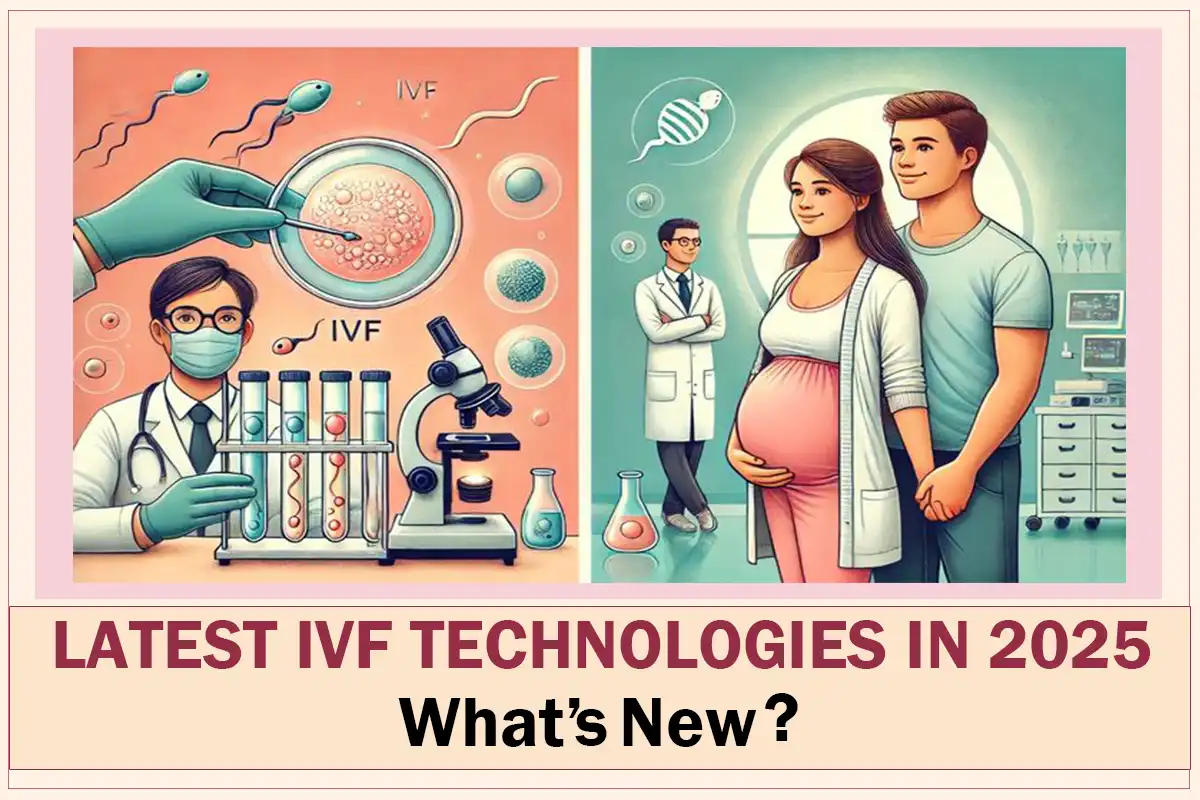 The first IVF birth took place in 1978. The birth of Louise Brown changed what the world knew about reproduction and fertility. Today, IVF continues to change the lives of millions of infertile couples worldwide. As the world of fertility has grown and evolved, new IVF technology has taken the place of the old. Let’s review the IVF technology in 2025, and the newest medical advancements in the reproductive field.
IVF Technology in 2025
Fertility technology includes medical techniques and diagnostic testing that can help people on the path to parenthood. While the process of IVF has been in use for a few decades, the techniques used today have evolved through trial, error, and innovation.
New techniques for egg and sperm selection, fertilization, and even incubation promise to improve the quality and success rates of IVF treatment provided today. Here are some of the newest and most innovative technologies that will revolutionize the IVF process and make it safer and more successful than ever. Keep in mind that some of these methods are still in the experimental stage and have not received approval for broader use.
Artificial Intelligence (AI) in Embryo Selection
Embryo selection today is mainly based on visual assessments. Artificial Intelligence is changing that. AI can analyze the growth rate and development patterns of embryos and score them on the basis of multiple factors. In this way, AI algorithms can be used to detect the healthiest embryos with the highest chances of successful implantation and improve IVF success rates.
Intelligent Womb Technology
Intelligent womb technology and smart IVF incubators are being built to create stable environments for embryos and encourage their normal development. These smart incubators aim to mimic the natural microenvironment of the womb by tracking and adjusting parameters like temperature, humidity, pH and more while incorporating cameras and sensors for continuous non-invasive monitoring of embryo development.
Improved Egg and Embryo Freezing Techniques
In the past years, even the technique of cryopreservation has received technological updates. The once-widely used slow freezing technique has now been replaced with the vitrification technique. Vitrification is a technology that rapidly freezes eggs or embryos in liquid nitrogen tanks. It has better survival rates when compared to slow freezing and also prevents the formation of ice crystals while freezing.
Non-Invasive Preimplantation Genetic Testing (niPGT)
In conventional preimplantation genetic testing (PGT), a biopsy needs to be performed on an embryo to test it for chromosomal defects. This procedure usually poses a small risk of damage to the embryos. Non-invasive PGT (niPGT) eliminates this risk by testing DNA fragments that the embryos release naturally during development. It is a safer and risk-free noninvasive method of embryo testing.
Uterine Receptivity Analysis (ERA)
Endometrial Receptivity Analysis (ERA) is a genetic test that can help women with repeated implantation failure. It involves analyzing the gene expression of a sample of endometrial tissue to predict her “window of implantation,” which is when her uterus would be the most receptive (towards embryos). ERA can help improve success rates of embryo transfer, and this increases the chances of a successful pregnancy.
CRISPR-Cas9 Gene Editing
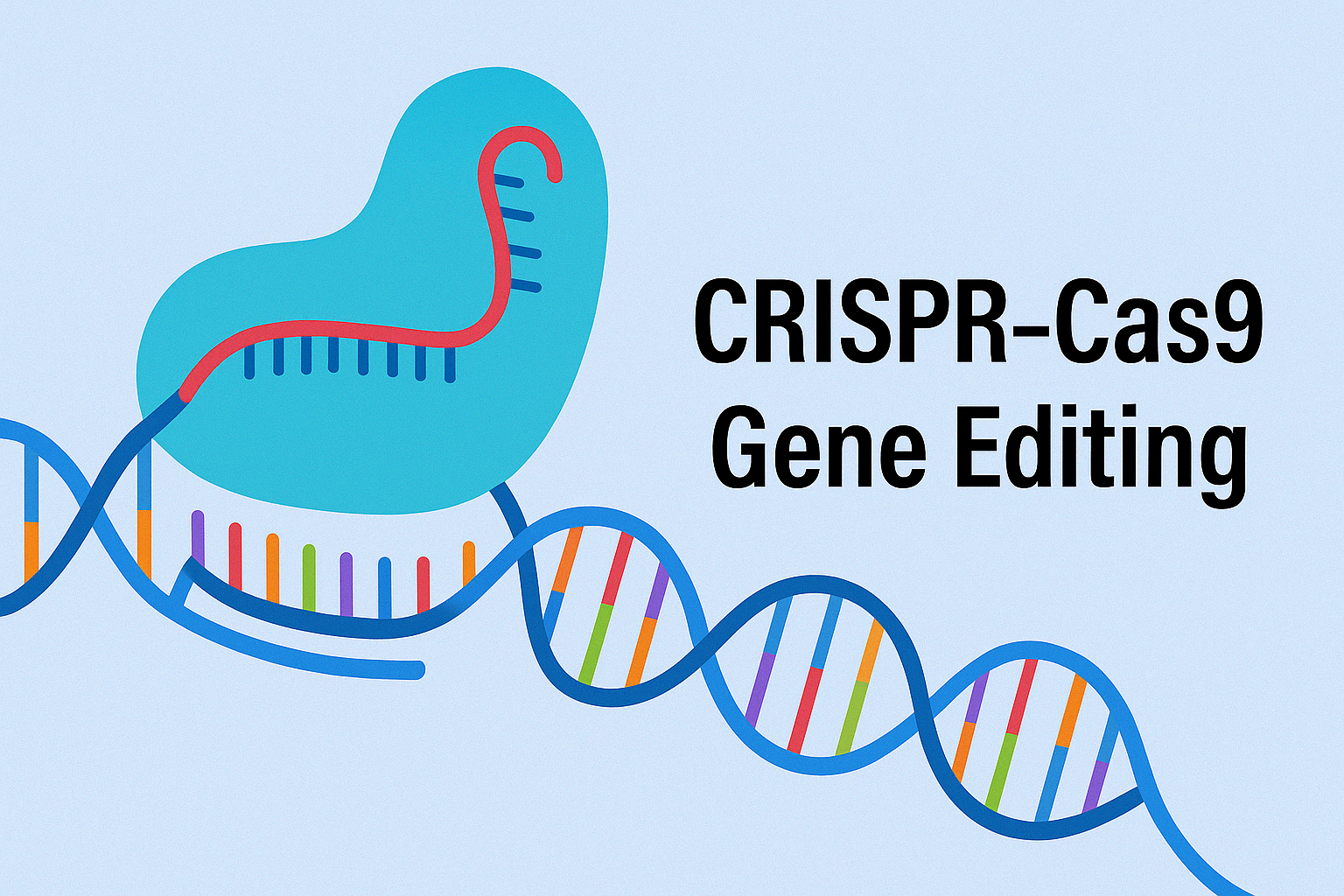
CRISPR and similar gene-editing technologies can be used to genetically modify embryos by targeting certain DNA sequences and correcting any genetic mutations. While this raises some serious ethical questions, it could prove to be a lifesaver for intended parents with a family history of genetic disorders. More studies are required to research any unexpected complications from this technique, and it is strictly regulated to ensure safe and ethical usage.
Intervaginal Culture Device (IVC)
An intravaginal culture device (IVC) is a technology that uses the natural environment of the body to perform fertilization and early embryo development. The sperm and eggs are placed in an intravaginal culture device like INVOcell, which is placed in the vaginal cavity until the eggs are fertilized (approximately 5 days). The formed embryo is then transferred to the woman’s uterus. IVC is an alternative to the traditional culturing process during IVF that currently takes place in a laboratory.
Microfluidics for Sperm Selection
Microfluidics is a highly innovative technique of sperm selection that imitates the female reproductive tract’s sperm selection process. This technique is used to mimic the body’s natural selection process to select the best and healthiest sperm cells for use in IVF treatment.
Stem Cell Treatment
Stem cell treatment is an experimental cell therapy that involves collecting healthy stem cells from tissues or bone marrow and injecting them in other parts of the body to replace damaged cells and regenerate healthy cells. This technique could be very useful in treating patients with reproductive issues like thin endometrium and it could potentially be even more effective than PRP treatment.
In Vitro Gametogenesis (IVG)
In Vitro Gametogenesis is a new fertility technology that could potentially replace IVF in the future. Currently, eggs and sperm are required for the IVF process. In IVG, eggs and sperm are created from induced pluripotent stem cells. This removes the need for donor eggs or sperm and makes fertility treatment accessible to older couples and cancer survivors.
The Future of IVF Technology
There are many more IVF technologies that are currently in the research stage. Soon, we predict that the IVF treatment process in India will experience a radical change, and become even safer and more effective.
Many clinics in India, like Corion Fertility Clinic, are already keeping up with newer IVF technology by offering cutting-edge fertility treatments and services. Book an appointment with us today for advanced treatment options and affordable fertility care.
Frequently Asked Questions:
Q. Are there any advancements in fertility tracking technology?
A. Fertility tracking technology is now more advanced than before. From hormonal testing home kits to wearable fertility monitors and smartphone apps, technology has made it easier for women to track their fertility.
Q. What is an embryoscope?
A. An embryoscope is an innovative incubator that uses time-lapse imaging to allow embryologists to constantly monitor embryo development without having to disturb the embryos by removing them from the incubator to examine them.
Q. What is PRP treatment?
A. PRP or Platelet-Rich Plasma is a medical treatment that involves injecting the body with a concentrated plasma solution to promote cell repair and regeneration. It can be used to improve endometrial receptivity before embryo transfer.
Q. Can technology improve the success rate of IVF treatment?
A. Yes, technological advancements like Intelligent Womb Technology, microfluidic sperm selection, AI embryo selection, and so on can improve the success rate of IVF treatment.
Disclaimer
The information shared in this blog is for educational purposes only and should not be used as a substitute for professional medical advice.
Copyright © 2026, Corion. All Rights Reserved.
Website is designed & developed by Phi Brands