Understanding the Cost of Egg Freezing in Mumbai

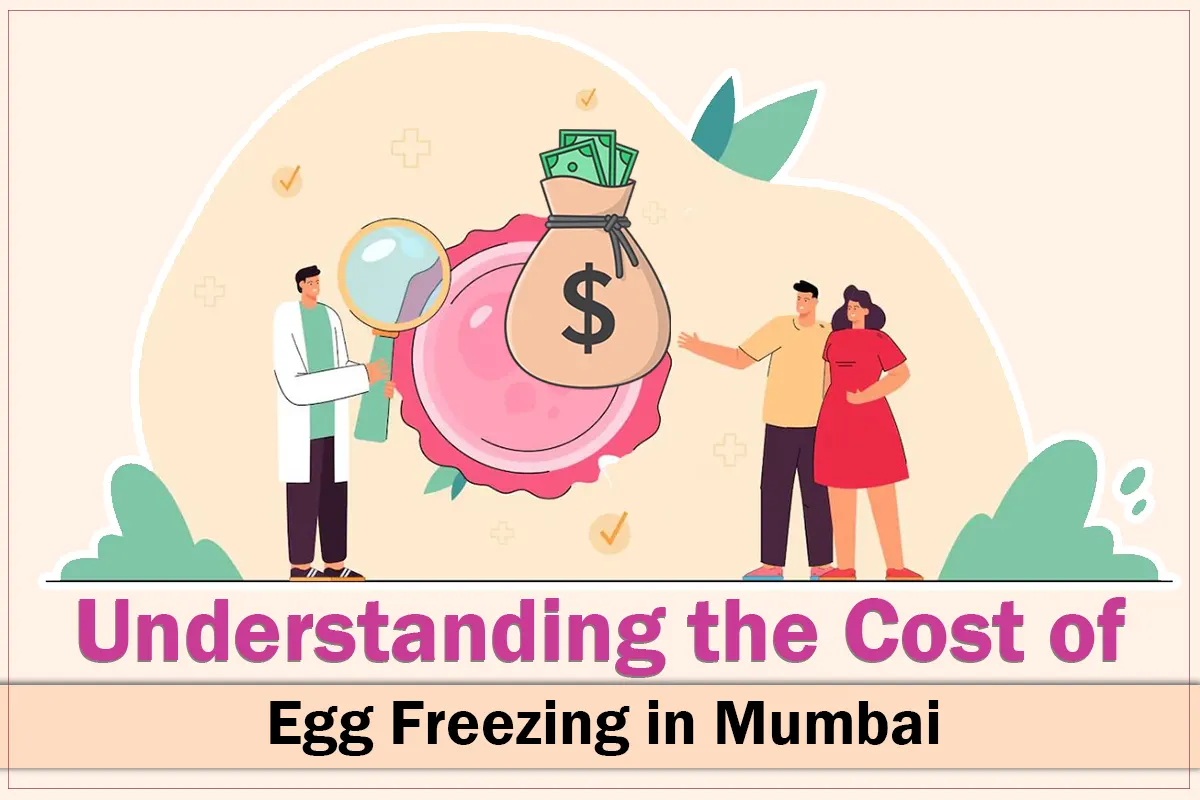
Understanding the Cost of Egg Freezing in Mumbai blog featured imageNot everyone wants to be a mother in their 20s or 30s. Due to declining fertility, women may find it much harder to conceive naturally when they’re older. Egg freezing is a popular method of fertility preservation that can help you get pregnant successfully in the future. But how affordable is freezing your eggs? Let’s explore the cost of egg freezing in Mumbai and the factors that contribute to the price.

What is Egg Freezing?

Egg freezing is a revolutionary method of preserving fertility. It allows women to ignore the incessant ticking of the biological clock and focus on their hopes, dreams, and goals for the present. It allows them to embrace parenthood safely, when they’re ready for it.

In the egg freezing process, you’ll first receive injections to stimulate your ovaries. This will help you produce multiple mature eggs instead of just one. Next, a doctor will retrieve these eggs from your ovaries through a thin needle while you’re sedated. The retrieved eggs are then flash frozen using liquid nitrogen and stored for later use.

The Cost of Egg Freezing in Mumbai

In Mumbai, one round of egg freezing is priced between ₹1 lakh and ₹3 lakh. The cost may vary from clinic to clinic depending on the treatment protocols and quality of care offered.

Some fertility clinics offer egg freezing packages with discounted rates on multiple freezing cycles, while others may offer EMI and payment plans to make treatment more affordable and accessible to everyone. The final cost of treatment depends on the price of treatment protocols, lab technology, medication, the clinic’s rates, storage fees, and so on.

Factors Affecting the Cost of Egg Freezing In Mumbai

There are several factors that affect the total price you can expect to pay for egg freezing in Mumbai, such as the number of cycles you undergo, your age and ovarian reserve, the clinic’s reputation and storage rates, and so on.

Number of Egg Freezing Cycles

Sometimes, a single cycle may not result in sufficient eggs. Your doctor will tell you how many eggs you should freeze based on your age, health, and fertility goals, and you may need multiple egg-freezing cycles to get there.

For example, if you’re in your late 20s and want two children in the future, your fertility specialist will tell you how many eggs you should aim to freeze. After that, you’ll undergo as many egg freezing cycles as you wish to try and meet that goal.

Age and Reproductive Health

The number of eggs retrieved in each cycle depends on your age and reproductive health. For example, it’s common for women under 35 to require only one or two freezing cycles, due to their high egg quality and quantity. Older women may require more cycles to freeze the same number of eggs.

On the other hand, most women with PCOS produce a large number of eggs, but their overall egg quality is poor, increasing the number of freezing cycles required and the total cost.

Clinic Location

Egg freezing can be expensive in tier 1 cities like Mumbai and Delhi, as fertility clinics in these cities tend to offer high-quality care, internationally trained fertility specialists, and state-of-the-art medical infrastructure.

Clinic Reputation

The cost of a single freezing cycle can vary depending on the clinic’s location, expertise, success rates, and the quality of treatment they offer. Most reputable fertility clinics have similar standard rates (₹1 lakh to ₹3 lakh), while smaller, less successful clinics may try to entice customers with extremely low prices.

Staff Expertise

Egg freezing can be more expensive in clinics run by experienced industry leaders or celebrity doctors. Famous fertility specialists command a higher rate, as they contribute to the clinic’s higher success rates and reputation.

Storage Fees

The fee for storing your eggs for up to a year usually costs between ₹20,000 and ₹30,000, depending on the clinic. Some clinics include storage fees in the price of the egg freezing cycle, while others insist that the two be paid separately.

Medication

Certain medications, such as injections used for ovarian stimulation, will be included in the egg freezing cost in Mumbai. Popular clinics use the highest-quality fertility drugs, while smaller, more affordable clinics might compromise on the quality of medication used. Corion Fertility Clinic offers affordable egg freezing services without any compromise on the quality of care offered.

Understanding the Cost of Egg Freezing in Mumbai
Egg freezing is a versatile fertility treatment that helps women freeze their eggs for use in the future. Without frozen eggs as a backup, women above 35 often find it harder to conceive and may require fertility treatments. Having frozen eggs can help you avoid multiple IVF cycles in the future, saving you both time and money.

Consult an experienced fertility specialist at Corion Fertility Clinic for affordable, high-quality egg freezing in Mumbai. Book a consultation today.

Frequently Asked Questions:

Q. What is the right age to freeze my eggs?
A. Many fertility specialists agree that the best time for women to freeze their eggs is between their late 20s and early 30s, as both egg quality and quantity peak during this age.

Q. Can I freeze my eggs after 35?
A. Yes, you can freeze your eggs after 35. Because egg quality and quantity decline after 35, you may experience lower success rates with egg freezing and may require more egg freezing cycles.

Q. What can lower egg quality?
A. Lifestyle factors like stress, smoking, drinking, and poor diet; conditions like PCOS and endometriosis; and environmental factors like toxins and pollution can all contribute to a decrease in egg quality.

Q. How does age affect fertility in women?
A. As women age, the quality and quantity of their eggs decreases. This increases the time required to get pregnant and can also result in infertility (age-related fertility decline).

Q. Can I improve my egg quality?
A. Yes, you can improve your egg quality by making lifestyle changes like quitting smoking and drinking and eating a diet rich in vitamins, minerals, and antioxidants.

Disclaimer:

The information shared in this blog is for educational purposes only and should not be used as a substitute for professional medical advice.
The Link Between Vitamin D Deficiency and IVF Outcomes

Vitamin D is one of the essential vitamins your body needs. Along with playing an important role in bone, muscle, and tissue health, it helps your reproductive system function normally. If you’re finding it difficult to conceive or have experienced unsuccessful IVF cycles, low vitamin D levels may be affecting your reproductive health. In this blog, we explore the link between vitamin D deficiency and IVF outcomes.

What is Vitamin D?

Vitamin D is a fat-soluble vitamin that your body naturally produces when you are exposed to sunlight. Your body needs vitamin D for bone development and maintaining the overall health of your immune system and nervous system. Additionally, it helps support normal hormone regulation and plays a role in immune function, inflammation, and calcium absorption.

The Link Between Vitamin D and Fertility

Vitamin D can help regulate female reproductive hormones, reduce the risk of complications like preeclampsia and gestational diabetes, and support a healthy pregnancy. Adequate vitamin D levels may support ovarian function and endometrial receptivity.

Vitamin D is important for male fertility, and deficiencies can also contribute to male fertility issues. Research states that low vitamin D levels can reduce sperm motility (movement) and affect morphology (shape), which can make it harder to conceive. Increasing vitamin D intake has been shown to improve certain sperm parameters in men with vitamin D deficiency.

Is There a Link Between Vitamin D Deficiency and IVF?

A study published in The Journal of Clinical Endocrinology and Metabolism states that women with vitamin D levels of 20 ng/mL or higher produced more high-quality embryos through IVF treatment and had pregnancy rates that were approximately twice as high as those of women with lower vitamin D levels.

Adequate vitamin D supports ovarian function, improves endometrial (uterine lining) receptivity, and regulates reproductive hormones. Low vitamin D levels are also associated with low clinical pregnancy rates in IVF treatment.

This is supported by a meta-analysis that found that women with good vitamin D levels have higher birth rates than women who have lower levels. One study shows that women with PCOS who have vitamin D deficiencies had significantly lower clinical pregnancy rates than patients who had sufficient levels. While vitamin D deficiency is unlikely to be the sole cause of infertility, it may contribute to reduced fertility and influence IVF outcomes in some individuals.

The Role of Vitamin D During Pregnancy

Vitamin D plays an important role in supporting a healthy pregnancy. Many prenatal vitamins contain moderate amounts of vitamin D to support the mother’s health and prevent vitamin D deficiency in the baby.

Low vitamin D can increase your risk of gestational diabetes, preeclampsia, and preterm birth. Vitamin D supplementation during pregnancy is ‌considered safe when taken at the recommended dose under medical guidance.

What Do Sufficient Vitamin D Levels Look Like?

To test your vitamin D levels, you can request a 25-hydroxyvitamin D (25(OH)D) blood test. The test is quick and assesses how much usable vitamin D is in your body.

Vitamin D levels

Status

Notes

30 ng/mL and above

Sufficient

No action required

20–29 ng/mL

Slightly low

Take a daily supplement

Below 20 ng/mL

Low

Deficient. Seek medical intervention

Below 12 ng/mL

Very low

Deficient. Requires medical intervention

Most adults require 600 IU (15 mcg) of vitamin D per day, which can be obtained from various sources like the sun, your diet, and supplements. If your vitamin D levels are low, your doctor will recommend the best way you can increase vitamin D intake. 

If you are deficient in vitamin D (levels below 20 ng/mL), your doctor will recommend a short-term high-dose treatment plan, which usually involves taking 50,000 IU of vitamin D once per week for up to 8 weeks and 1,500 to 2,000 IU daily after that to maintain stable levels.

If your vitamin D levels are only slightly low, your specialist will recommend taking low-dose daily supplements. Do not self-medicate high-dose supplements, as this can result in vitamin D toxicity, which may cause kidney issues and hypercalcemia.

How Can I Increase My Vitamin D Intake?

Vitamin D deficiencies are common in India because of low sun exposure in urban environments due to indoor lifestyles, modest clothing habits, use of sunscreen, and insufficient vitamin D in their diet.

Darker skin contains more melanin, which reduces the skin’s ability to produce vitamin D from sunlight. As a result, people with darker skin may require longer sun exposure to produce adequate vitamin D. If your vitamin D levels are low, here is what you can do to improve your daily intake:

Increase Exposure To Sunlight

Sunlight is a free, natural source of vitamin D. Just 15 minutes of sun exposure per day helps your body produce vitamin D. Many people in India have melanated skin and may require longer sun exposure. Avoid prolonged sun exposure to reduce the risk of skin damage.

Foods Rich in Vitamin D

Fatty fish like mackerel, sardines, salmon, and tuna are among the best natural sources of vitamin D. Other excellent food sources include egg yolks, mushrooms, and fortified products.

Monitor Your Vitamin D Levels

Treating a deficiency is only half the battle. The other half is maintaining your vitamin D levels and following up with your doctor regularly.

When Should I See A Fertility Specialist?

If you haven’t been able to get pregnant despite having unprotected intercourse for a year (or 6 months if you are between 35-39), it could signal a potential fertility issue. Always consult your doctor before taking any supplements.

Vitamin D deficiency can contribute to fertility issues, but it is often not the sole cause. Speak to a fertility specialist about how you can improve IVF success. Book your complimentary consultation at Corion Fertility Clinic today.

Frequently Asked Questions:

If you are trying to conceive, planning IVF, have limited sun exposure, or have risk factors for vitamin D deficiency, speak with your doctor about getting your vitamin D levels checked before IVF treatment.

Yes, vitamin D is important for the male reproductive system. It can improve sperm quality and overall health.

It isn’t possible to accurately predict how much vitamin D your body will produce from sunlight because production depends on factors such as skin tone, location, time spent outdoors, and so on. Many people also require dietary sources or supplements to maintain healthy levels.

Doctors treat vitamin D deficiencies by conducting a short-term repletion phase, which involves administering 50,000 IU weekly for 8 weeks, followed by a low maintenance dose of 1,000–2,000 IU/day.

Vitamin D supplements can help correct a deficiency and support reproductive health. However, supplementation does not guarantee IVF success, as other factors may affect treatment outcomes.

Disclaimer:

The information shared in this blog is for educational purpose only and should not be used as a substitute for professional medical advice 

Understanding the Cost of Egg Freezing in Mumbai

Understanding the Cost of Egg Freezing in Mumbai blog featured imageNot everyone wants to be a mother in their 20s or 30s. Due to declining fertility, women may find it much harder to conceive naturally when they’re older. Egg freezing is a popular method of fertility preservation that can help you get pregnant successfully in the future. But how affordable is freezing your eggs? Let’s explore the cost of egg freezing in Mumbai and the factors that contribute to the price.

What is Egg Freezing?

Egg freezing is a revolutionary method of preserving fertility. It allows women to ignore the incessant ticking of the biological clock and focus on their hopes, dreams, and goals for the present. It allows them to embrace parenthood safely, when they’re ready for it.

In the egg freezing process, you’ll first receive injections to stimulate your ovaries. This will help you produce multiple mature eggs instead of just one. Next, a doctor will retrieve these eggs from your ovaries through a thin needle while you’re sedated. The retrieved eggs are then flash frozen using liquid nitrogen and stored for later use.

The Cost of Egg Freezing in Mumbai

In Mumbai, one round of egg freezing is priced between ₹1 lakh and ₹3 lakh. The cost may vary from clinic to clinic depending on the treatment protocols and quality of care offered.

Some fertility clinics offer egg freezing packages with discounted rates on multiple freezing cycles, while others may offer EMI and payment plans to make treatment more affordable and accessible to everyone. The final cost of treatment depends on the price of treatment protocols, lab technology, medication, the clinic’s rates, storage fees, and so on.

Factors Affecting the Cost of Egg Freezing In Mumbai

There are several factors that affect the total price you can expect to pay for egg freezing in Mumbai, such as the number of cycles you undergo, your age and ovarian reserve, the clinic’s reputation and storage rates, and so on.

Number of Egg Freezing Cycles

Sometimes, a single cycle may not result in sufficient eggs. Your doctor will tell you how many eggs you should freeze based on your age, health, and fertility goals, and you may need multiple egg-freezing cycles to get there.

For example, if you’re in your late 20s and want two children in the future, your fertility specialist will tell you how many eggs you should aim to freeze. After that, you’ll undergo as many egg freezing cycles as you wish to try and meet that goal.

Age and Reproductive Health

The number of eggs retrieved in each cycle depends on your age and reproductive health. For example, it’s common for women under 35 to require only one or two freezing cycles, due to their high egg quality and quantity. Older women may require more cycles to freeze the same number of eggs.

On the other hand, most women with PCOS produce a large number of eggs, but their overall egg quality is poor, increasing the number of freezing cycles required and the total cost.

Clinic Location

Egg freezing can be expensive in tier 1 cities like Mumbai and Delhi, as fertility clinics in these cities tend to offer high-quality care, internationally trained fertility specialists, and state-of-the-art medical infrastructure.

Clinic Reputation

The cost of a single freezing cycle can vary depending on the clinic’s location, expertise, success rates, and the quality of treatment they offer. Most reputable fertility clinics have similar standard rates (₹1 lakh to ₹3 lakh), while smaller, less successful clinics may try to entice customers with extremely low prices.

Staff Expertise

Egg freezing can be more expensive in clinics run by experienced industry leaders or celebrity doctors. Famous fertility specialists command a higher rate, as they contribute to the clinic’s higher success rates and reputation.

Storage Fees

The fee for storing your eggs for up to a year usually costs between ₹20,000 and ₹30,000, depending on the clinic. Some clinics include storage fees in the price of the egg freezing cycle, while others insist that the two be paid separately.

Medication

Certain medications, such as injections used for ovarian stimulation, will be included in the egg freezing cost in Mumbai. Popular clinics use the highest-quality fertility drugs, while smaller, more affordable clinics might compromise on the quality of medication used. Corion Fertility Clinic offers affordable egg freezing services without any compromise on the quality of care offered.

Understanding the Cost of Egg Freezing in Mumbai

Egg freezing is a versatile fertility treatment that helps women freeze their eggs for use in the future. Without frozen eggs as a backup, women above 35 often find it harder to conceive and may require fertility treatments. Having frozen eggs can help you avoid multiple IVF cycles in the future, saving you both time and money.

Consult an experienced fertility specialist at Corion Fertility Clinic for affordable, high-quality egg freezing in Mumbai. Book a consultation today.

Frequently Asked Questions:

Q. What is the right age to freeze my eggs?
A. Many fertility specialists agree that the best time for women to freeze their eggs is between their late 20s and early 30s, as both egg quality and quantity peak during this age.

Q. Can I freeze my eggs after 35?
A. Yes, you can freeze your eggs after 35. Because egg quality and quantity decline after 35, you may experience lower success rates with egg freezing and may require more egg freezing cycles.

Q. What can lower egg quality?
A. Lifestyle factors like stress, smoking, drinking, and poor diet; conditions like PCOS and endometriosis; and environmental factors like toxins and pollution can all contribute to a decrease in egg quality.

Q. How does age affect fertility in women?
A. As women age, the quality and quantity of their eggs decreases. This increases the time required to get pregnant and can also result in infertility (age-related fertility decline).

Q. Can I improve my egg quality?
A. Yes, you can improve your egg quality by making lifestyle changes like quitting smoking and drinking and eating a diet rich in vitamins, minerals, and antioxidants.

Disclaimer:

The information shared in this blog is for educational purposes only and should not be used as a substitute for professional medical advice.

Genetic Testing During IVF Treatment: Is It Necessary?

Not all embryos are created equal. The success of an IVF cycle often relies on the quality of the embryos chosen for embryo transfer. Genetic testing is an advanced laboratory technique that can improve embryo selection in IVF cycles and prevent your children from inheriting harmful genetic conditions. In this blog, we explore the types of genetic testing during IVF treatment, who should consider it, and the benefits it offers.

What is Genetic Testing?

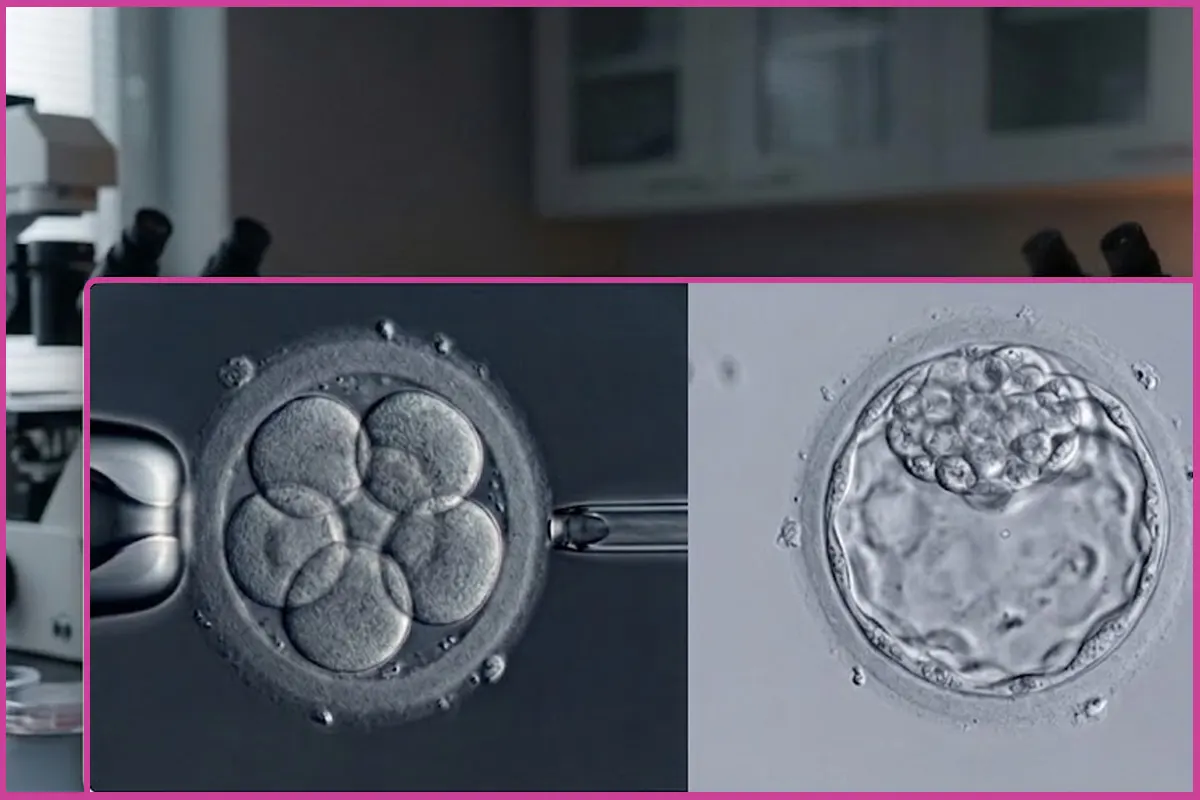
Preimplantation genetic testing is a screening technique that involves taking cells from an embryo and testing it for potential chromosomal abnormalities or genetic diseases. It is usually performed before the embryo transfer step of the IVF journey.

Genetic testing helps identify embryos that may carry certain chromosomal abnormalities or inherited genetic disorders. It allows fertility specialists to select embryos that are less likely to be affected by these conditions, reducing the risk of passing on specific genetic diseases.

It is important to understand that PGT only tests for specific chromosomal abnormalities or inherited genetic conditions. It cannot detect every birth defect, developmental disorder, or future health problem, nor does it guarantee a successful pregnancy.

What are the Types of Preimplantation Genetic Testing?

There are three primary types of PGT used during the IVF journey. Each type of testing targets a specific concern.

PGT-A: PGT for Aneuploidy

During embryo development, errors can occur that result in an embryo having an extra chromosome (trisomy) or a missing chromosome (monosomy). These chromosomal abnormalities are collectively known as aneuploidy and are a major cause of implantation failure, miscarriage, and certain chromosomal disorders. PGT-A allows doctors to identify embryos at risk of disorders like Turner syndrome, Down syndrome, Edwards syndrome, and Patau syndrome.

PGT-M: PGT for Monogenic Disorders

PGT-M is used to identify gene mutations that cause genetic disorders. If one or both parents are carriers of a gene mutation, it increases the risk of the child inheriting the genetic condition. PGT-M can test embryos for genetic mutations that cause sickle cell anemia and cystic fibrosis.

PGT-SR: PGT for Structural Rearrangements

PGT-SR is used to identify embryos with chromosomal rearrangements or structural variations, which can result in missing or unbalanced chromosomal material. This can increase the risk of miscarriage or health conditions in the baby. PGT-SR can help identify these embryos and select ones without chromosomal issues for transfer.

Who Should Consider Genetic Testing During IVF Treatment?

Preimplantation Genetic Testing (PGT) may be recommended for couples who fall into the following categories:

Recurrent Miscarriages

If you have experienced recurrent pregnancy loss in the recent past, aneuploidy or genetic mutations could be a possible cause.

Family History of Genetic Disorders

Couples who have a family history of genetic conditions may have a higher chance of passing these issues to their offspring. Always consult a fertility specialist if you think that you or your partner could be a carrier of genetic conditions.

Previous IVF Failure

If your IVF cycles have failed in the past because of unknown reasons, embryo aneuploidy could be the hidden cause. Doctors will often recommend genetic testing during IVF treatment to rule out embryo issues.

Previous Failed Implantation

Embryo quality is a common reason for implantation failure. If you have experienced failed implantation in the past, you may be a good candidate for genetic testing.

Unexplained Infertility

If your fertility issues are currently unexplained, PGT testing during IVF treatment can help you rule out embryo quality issues.

Advanced Parental Age

Women aged 35 and above have a higher chance of producing embryos with chromosomal abnormalities (aneuploidy). Advanced paternal age may also increase the risk of certain genetic mutations, although its impact is generally smaller.

What are the Benefits of PGT in IVF Treatment?

PGT offers several advantages for patients undergoing IVF treatment, such as increasing success per cycle, improving embryo selection, and, in some patients, reducing the number of embryo transfers required to achieve pregnancy.


Prevents Genetic Disorders

PGT helps identify embryos with specific inherited genetic disorders, which allows fertility specialists to select embryos that are less likely to be affected. This reduces the risk of passing certain genetic conditions to the child.

Increases Success Rates with IVF

PGT can improve the chance of selecting chromosomally normal embryos for transfer. In some patients, particularly those of advanced maternal age or with recurrent pregnancy loss, this may improve IVF success rates.

Reduces IVF Cycles Required

By helping identify the most suitable embryos for transfer, PGT may reduce the number of embryo transfers required to achieve pregnancy in some patients. It may reduce the time to pregnancy as well.

Allows Peace of Mind

Genetic testing provides additional information about an embryo’s chromosomal health and helps fertility specialists select embryos that are more likely to be chromosomally normal. Many couples find this reassuring during their IVF journey.

Reduces the Risk of Miscarriage

Reduces the Risk of Miscarriage

Reduces the Risk of Miscarriage

Embryos with genetic or chromosomal issues are one of the major causes of miscarriage. PGT may reduce the risk of miscarriage by identifying embryos with chromosomal abnormalities, which are a common cause of early pregnancy loss.

Embryos with genetic or chromosomal issues are one of the major causes of miscarriage. PGT may reduce the risk of miscarriage by identifying embryos with chromosomal abnormalities, which are a common cause of early pregnancy loss.

Genetic Testing During IVF Treatment: Is It Necessary?

Genetic testing during IVF isn’t always necessary, but is usually recommended for couples who want to avoid genetic conditions or improve the chances of a successful pregnancy.

Whether you require genetic testing depends on your age, medical history, family history, and previous fertility treatments. A fertility specialist at Corion Fertility Clinic can help determine whether PGT is likely to improve your chances of a healthy pregnancy.

Corion Fertility offers advanced genetic testing techniques like PGT-A, PGT-M, and PGT-SR, which can even be used in combination with each other to help identify the most viable embryos. Book a complimentary consultation with a fertility specialist to determine whether genetic testing during IVF is right for you.

Frequently Asked Questions:

Genetic testing may be recommended for couples with recurrent miscarriages, repeated IVF failure, a family history of inherited genetic disorders, advanced maternal age, or when one or both partners are known carriers of a genetic condition.

PGT is generally considered safe, but it does carry minor risks. These include a slight chance of damage during embryo biopsy and a small possibility that some embryos may not survive the biopsy or the freezing and thawing process.

PGT can help identify embryos with several genetic conditions, including sickle cell anemia, Tay-Sachs disease, thalassemia, cystic fibrosis, and BRCA gene mutations.

Yes, genetic testing is a safe process. When performed under strict laboratory protocols and by trained embryologists, ‌embryo biopsy for PGT is safe and does not significantly affect their ability to continue developing in most cases.

Yes, PGT can also be performed in donor egg IVF cycles if there is a medical indication or if your fertility specialist recommends it.

Disclaimer:

The information shared in this blog is for educational purpose only and should not be used as a substitute for professional medical advice 

Understanding the Cost of Egg Freezing in Mumbai

Understanding the Cost of Egg Freezing in Mumbai blog featured imageNot everyone wants to be a mother in their 20s or 30s. Due to declining fertility, women may find it much harder to conceive naturally when they’re older. Egg freezing is a popular method of fertility preservation that can help you get pregnant successfully in the future. But how affordable is freezing your eggs? Let’s explore the cost of egg freezing in Mumbai and the factors that contribute to the price.

What is Egg Freezing?

Egg freezing is a revolutionary method of preserving fertility. It allows women to ignore the incessant ticking of the biological clock and focus on their hopes, dreams, and goals for the present. It allows them to embrace parenthood safely, when they’re ready for it.

In the egg freezing process, you’ll first receive injections to stimulate your ovaries. This will help you produce multiple mature eggs instead of just one. Next, a doctor will retrieve these eggs from your ovaries through a thin needle while you’re sedated. The retrieved eggs are then flash frozen using liquid nitrogen and stored for later use.

The Cost of Egg Freezing in Mumbai

In Mumbai, one round of egg freezing is priced between ₹1 lakh and ₹3 lakh. The cost may vary from clinic to clinic depending on the treatment protocols and quality of care offered.

Some fertility clinics offer egg freezing packages with discounted rates on multiple freezing cycles, while others may offer EMI and payment plans to make treatment more affordable and accessible to everyone. The final cost of treatment depends on the price of treatment protocols, lab technology, medication, the clinic’s rates, storage fees, and so on.

Factors Affecting the Cost of Egg Freezing In Mumbai

There are several factors that affect the total price you can expect to pay for egg freezing in Mumbai, such as the number of cycles you undergo, your age and ovarian reserve, the clinic’s reputation and storage rates, and so on.

Number of Egg Freezing Cycles

Sometimes, a single cycle may not result in sufficient eggs. Your doctor will tell you how many eggs you should freeze based on your age, health, and fertility goals, and you may need multiple egg-freezing cycles to get there.

For example, if you’re in your late 20s and want two children in the future, your fertility specialist will tell you how many eggs you should aim to freeze. After that, you’ll undergo as many egg freezing cycles as you wish to try and meet that goal.

Age and Reproductive Health

The number of eggs retrieved in each cycle depends on your age and reproductive health. For example, it’s common for women under 35 to require only one or two freezing cycles, due to their high egg quality and quantity. Older women may require more cycles to freeze the same number of eggs.

On the other hand, most women with PCOS produce a large number of eggs, but their overall egg quality is poor, increasing the number of freezing cycles required and the total cost.

Clinic Location

Egg freezing can be expensive in tier 1 cities like Mumbai and Delhi, as fertility clinics in these cities tend to offer high-quality care, internationally trained fertility specialists, and state-of-the-art medical infrastructure.

Clinic Reputation

The cost of a single freezing cycle can vary depending on the clinic’s location, expertise, success rates, and the quality of treatment they offer. Most reputable fertility clinics have similar standard rates (₹1 lakh to ₹3 lakh), while smaller, less successful clinics may try to entice customers with extremely low prices.

Staff Expertise

Egg freezing can be more expensive in clinics run by experienced industry leaders or celebrity doctors. Famous fertility specialists command a higher rate, as they contribute to the clinic’s higher success rates and reputation.

Storage Fees

The fee for storing your eggs for up to a year usually costs between ₹20,000 and ₹30,000, depending on the clinic. Some clinics include storage fees in the price of the egg freezing cycle, while others insist that the two be paid separately.

Medication

Certain medications, such as injections used for ovarian stimulation, will be included in the egg freezing cost in Mumbai. Popular clinics use the highest-quality fertility drugs, while smaller, more affordable clinics might compromise on the quality of medication used. Corion Fertility Clinic offers affordable egg freezing services without any compromise on the quality of care offered.

Understanding the Cost of Egg Freezing in Mumbai

Egg freezing is a versatile fertility treatment that helps women freeze their eggs for use in the future. Without frozen eggs as a backup, women above 35 often find it harder to conceive and may require fertility treatments. Having frozen eggs can help you avoid multiple IVF cycles in the future, saving you both time and money.

Consult an experienced fertility specialist at Corion Fertility Clinic for affordable, high-quality egg freezing in Mumbai. Book a consultation today.

Frequently Asked Questions:

Q. What is the right age to freeze my eggs?
A. Many fertility specialists agree that the best time for women to freeze their eggs is between their late 20s and early 30s, as both egg quality and quantity peak during this age.

Q. Can I freeze my eggs after 35?
A. Yes, you can freeze your eggs after 35. Because egg quality and quantity decline after 35, you may experience lower success rates with egg freezing and may require more egg freezing cycles.

Q. What can lower egg quality?
A. Lifestyle factors like stress, smoking, drinking, and poor diet; conditions like PCOS and endometriosis; and environmental factors like toxins and pollution can all contribute to a decrease in egg quality.

Q. How does age affect fertility in women?
A. As women age, the quality and quantity of their eggs decreases. This increases the time required to get pregnant and can also result in infertility (age-related fertility decline).

Q. Can I improve my egg quality?
A. Yes, you can improve your egg quality by making lifestyle changes like quitting smoking and drinking and eating a diet rich in vitamins, minerals, and antioxidants.

Disclaimer:

The information shared in this blog is for educational purposes only and should not be used as a substitute for professional medical advice.

Everything You Need To Know About The Egg Retrieval Process

If you’re undergoing IVF or planning to freeze your eggs, egg retrieval is an important step in your fertility journey. Though it is a necessary step, many women feel nervous or anxious about it. Understanding what to expect beforehand can help you feel confident and prepared. In this blog, we’re covering everything you need to know from the pain levels and side effects to the risks of the egg retrieval process.

What is Egg Retrieval?

Egg retrieval, also called oocyte retrieval, is a minor surgical procedure that involves using a needle to retrieve mature eggs from a woman’s ovaries after a period of ovarian stimulation (mentioned below).

Egg retrieval is performed through the vaginal wall using a thin ultrasound-guided needle; no incisions or stitches are required. It is generally considered a very safe procedure with minimal side effects or complications.

The Process Of Egg Retrieval

The egg retrieval process itself takes just 15 to 30 minutes. But before the retrieval can take place, you may require controlled ovarian stimulation to increase your chances of success.

Ovarian Stimulation

During a typical menstrual cycle, only one egg reaches maturity and is released during ovulation. Retrieving only this one egg would significantly reduce the chances of creating enough viable embryos and you would require multiple treatment cycles.

To increase your chances of IVF success, doctors use injectable hormonal medication (gonadotropins) to stimulate your ovaries into producing multiple eggs.

Trigger Shot

Your care team will use ultrasounds and blood tests to determine when your eggs are ready to be retrieved. When your follicles have grown enough, you are given a “trigger shot”. This is given to ensure that your eggs mature and that you don’t ovulate before the retrieval. Egg retrieval is usually scheduled about 34 to 36 hours after the trigger shot.

Egg Retrieval

First the patient is sedated so that they do not experience any pain. The doctor uses an ultrasound-guided fine needle to puncture each follicle and collect the fluid from it. The entire process usually takes approximately 5 to 30 minutes.

The doctor carefully “aspirates” the follicles, after which the embryologist identifies and separates the eggs from the fluid. If you’re undergoing IVF, the eggs are fertilized in the laboratory through the regular IVF or ICSI technique. If you’re freezing your eggs, your collected eggs are frozen using vitrification instead. 

After Egg Retrieval

After the egg retrieval is complete, you will remain at the clinic until sedation wears off. A healthcare specialist will monitor your condition and discharge you once you are awake. We strongly recommend that you bring a friend or relative who can take you home from the clinic. Do not drive yourself, as you may be groggy from the sedative.

Recovering from the Egg Retrieval Process

Your doctor may prescribe pain medication to relieve discomfort in the first day or two after the procedure. Bed rest is not necessary, but we recommend that you steer clear of intense physical activities for about a week.

Avoid strenuous exercise, heavy lifting, and activities that involve twisting or jumping until your doctor advises you to. Consider gentle exercises like yoga and walking instead. Most doctors will recommend avoiding sexual intercourse until your next period, since it can increase your risk of infection. You will be able to return to work within a day or two.

Side Effects of Egg Retrieval

Common symptoms after egg retrieval include:

Cramps

After the procedure, many women experience abdominal cramps. These should feel like a dull pain instead of the intense, irregular cramps associated with menstruation.

Bloating

You may feel some tightness or a sense of fullness in your abdomen.

Light Bleeding or Spotting

It’s normal to experience minor bleeding after egg retrieval. Your doctor may recommend wearing a pantyliner to make your journey home more comfortable.

Fatigue

Many women feel tired or sleepy after egg retrieval because of the sedation, hormonal medications, and the procedure itself. This may be an effect of the hormonal medication given during ovarian stimulation or the physical stress of fertility treatment.


While rare, more serious complications can also occur after a retrieval. These include:

Bleeding or Infection

Like all medical procedures, egg retrieval poses a minor risk of bleeding or infection. Our fertility team works in sterilized environments and uses strict safety standards to minimize these risks.

Ovarian Hyperstimulation Syndrome (OHSS)

OHSS is a rare but serious condition that occurs when the patient’s body overreacts to the fertility medication. It can cause the ovaries to become enlarged and allows fluid to leak into the abdomen and even the chest in severe cases. This can cause severe pain and possibly result in life-threatening complications. 

Fortunately, the risk of severe OHSS is extremely low and doctors will monitor your condition very closely to minimize this risk.

How to Prepare for Egg Retrieval

The number of eggs collected in the egg retrieval process varies depending on age, ovarian reserve, and individual response to treatment. While you cannot increase the number of eggs in your ovaries, you can take certain steps to improve egg quality before retrieval:

  • Avoid alcohol and smoking
  • Consume a balanced diet
  • Take supplements to improve egg health (only if prescribed)
  • Adopt healthy sleep habits
  • Follow stress management techniques
  • Exercise regularly

Why are Day 5 Transfers the Norm?

In the past, IVF laboratories had more limited embryo culture systems, so day 3 transfers were more common. These days, laboratories have improved culture systems to grow embryos to the blastocyst stage.

Most IVF and fertility clinics worldwide offer day 5 embryo transfers as the standard, since it has higher success and implantation rates. However, both approaches may result in a successful pregnancy.

Day 3 vs. Day 5 Embryo Transfers: Which One Should You Choose?

While choosing between day 3 vs. day 5 embryo transfers, the right choice for you will depend on your fertility health, age, embryo quality, and results from past cycles. Many fertility clinics prefer Day 5 blastocyst transfers because of their higher implantation potential and compatibility with PGT testing. However, day 3 embryo transfers may still be the better option for patients with fewer embryos or specific medical circumstances.

At Corion Fertility Clinic, our team wants you to receive treatment that gives you the best chance of success. Speak to a fertility specialist at Corion Fertility Clinic about whether day 3 vs. day 5 embryo transfers are the right choice for you.

Frequently Asked Questions:

Only about 30-50% of embryos survive from the cleavage stage on day 3 to the blastocyst stage on day 5.

Yes, you can freeze day 3 embryos for future use. However, they tend to have a lower survival rate after thawing than day 5 blastocysts.

Research indicates that frozen day 5 embryo transfers have comparable or slightly higher success rates than fresh transfers.

Yes, it is possible for an embryo to be poor quality at day 3 but develop into an intermediate or good quality blastocyst at day 5.

A day 3 embryo transfer involves placing a young, cleavage-stage embryo in the uterus. Day 5 embryo transfers involve waiting until the embryo develops into a day 5 blastocyst before the transfer.

Disclaimer:

The information shared in this blog is for educational purpose only and should not be used as a substitute for professional medical advice 

Understanding the Cost of Egg Freezing in Mumbai

Understanding the Cost of Egg Freezing in Mumbai blog featured imageNot everyone wants to be a mother in their 20s or 30s. Due to declining fertility, women may find it much harder to conceive naturally when they’re older. Egg freezing is a popular method of fertility preservation that can help you get pregnant successfully in the future. But how affordable is freezing your eggs? Let’s explore the cost of egg freezing in Mumbai and the factors that contribute to the price.

What is Egg Freezing?

Egg freezing is a revolutionary method of preserving fertility. It allows women to ignore the incessant ticking of the biological clock and focus on their hopes, dreams, and goals for the present. It allows them to embrace parenthood safely, when they’re ready for it.

In the egg freezing process, you’ll first receive injections to stimulate your ovaries. This will help you produce multiple mature eggs instead of just one. Next, a doctor will retrieve these eggs from your ovaries through a thin needle while you’re sedated. The retrieved eggs are then flash frozen using liquid nitrogen and stored for later use.

The Cost of Egg Freezing in Mumbai

In Mumbai, one round of egg freezing is priced between ₹1 lakh and ₹3 lakh. The cost may vary from clinic to clinic depending on the treatment protocols and quality of care offered.

Some fertility clinics offer egg freezing packages with discounted rates on multiple freezing cycles, while others may offer EMI and payment plans to make treatment more affordable and accessible to everyone. The final cost of treatment depends on the price of treatment protocols, lab technology, medication, the clinic’s rates, storage fees, and so on.

Factors Affecting the Cost of Egg Freezing In Mumbai

There are several factors that affect the total price you can expect to pay for egg freezing in Mumbai, such as the number of cycles you undergo, your age and ovarian reserve, the clinic’s reputation and storage rates, and so on.

Number of Egg Freezing Cycles

Sometimes, a single cycle may not result in sufficient eggs. Your doctor will tell you how many eggs you should freeze based on your age, health, and fertility goals, and you may need multiple egg-freezing cycles to get there.

For example, if you’re in your late 20s and want two children in the future, your fertility specialist will tell you how many eggs you should aim to freeze. After that, you’ll undergo as many egg freezing cycles as you wish to try and meet that goal.

Age and Reproductive Health

The number of eggs retrieved in each cycle depends on your age and reproductive health. For example, it’s common for women under 35 to require only one or two freezing cycles, due to their high egg quality and quantity. Older women may require more cycles to freeze the same number of eggs.

On the other hand, most women with PCOS produce a large number of eggs, but their overall egg quality is poor, increasing the number of freezing cycles required and the total cost.

Clinic Location

Egg freezing can be expensive in tier 1 cities like Mumbai and Delhi, as fertility clinics in these cities tend to offer high-quality care, internationally trained fertility specialists, and state-of-the-art medical infrastructure.

Clinic Reputation

The cost of a single freezing cycle can vary depending on the clinic’s location, expertise, success rates, and the quality of treatment they offer. Most reputable fertility clinics have similar standard rates (₹1 lakh to ₹3 lakh), while smaller, less successful clinics may try to entice customers with extremely low prices.

Staff Expertise

Egg freezing can be more expensive in clinics run by experienced industry leaders or celebrity doctors. Famous fertility specialists command a higher rate, as they contribute to the clinic’s higher success rates and reputation.

Storage Fees

The fee for storing your eggs for up to a year usually costs between ₹20,000 and ₹30,000, depending on the clinic. Some clinics include storage fees in the price of the egg freezing cycle, while others insist that the two be paid separately.

Medication

Certain medications, such as injections used for ovarian stimulation, will be included in the egg freezing cost in Mumbai. Popular clinics use the highest-quality fertility drugs, while smaller, more affordable clinics might compromise on the quality of medication used. Corion Fertility Clinic offers affordable egg freezing services without any compromise on the quality of care offered.

Understanding the Cost of Egg Freezing in Mumbai

Egg freezing is a versatile fertility treatment that helps women freeze their eggs for use in the future. Without frozen eggs as a backup, women above 35 often find it harder to conceive and may require fertility treatments. Having frozen eggs can help you avoid multiple IVF cycles in the future, saving you both time and money.

Consult an experienced fertility specialist at Corion Fertility Clinic for affordable, high-quality egg freezing in Mumbai. Book a consultation today.

Frequently Asked Questions:

Q. What is the right age to freeze my eggs?
A. Many fertility specialists agree that the best time for women to freeze their eggs is between their late 20s and early 30s, as both egg quality and quantity peak during this age.

Q. Can I freeze my eggs after 35?
A. Yes, you can freeze your eggs after 35. Because egg quality and quantity decline after 35, you may experience lower success rates with egg freezing and may require more egg freezing cycles.

Q. What can lower egg quality?
A. Lifestyle factors like stress, smoking, drinking, and poor diet; conditions like PCOS and endometriosis; and environmental factors like toxins and pollution can all contribute to a decrease in egg quality.

Q. How does age affect fertility in women?
A. As women age, the quality and quantity of their eggs decreases. This increases the time required to get pregnant and can also result in infertility (age-related fertility decline).

Q. Can I improve my egg quality?
A. Yes, you can improve your egg quality by making lifestyle changes like quitting smoking and drinking and eating a diet rich in vitamins, minerals, and antioxidants.

Disclaimer:

The information shared in this blog is for educational purposes only and should not be used as a substitute for professional medical advice.

The Diagnosis and Treatment of Unexplained Infertility

Unexplained infertility can be a difficult diagnosis. It’s frustrating to be told that your doctors don’t know why you’re infertile. While identifying a cause can sometimes be difficult, many couples with unexplained infertility still respond well to fertility treatment. In this blog, we understand the diagnosis and treatment of unexplained infertility, and examine its possible causes.

What is Unexplained Infertility?

Infertility refers to when a couple has been having unprotected intercourse for at least a year and has not conceived. It can be caused by several types of fertility issues. Unexplained infertility refers to cases in which the cause of infertility has not been discovered. The two types of unexplained infertility include:

Primary Unexplained Infertility

A couple is unable to conceive and has never conceived before.

Secondary Unexplained Infertility

A couple who has had a successful pregnancy in the past is struggling to conceive again.

What Causes Unexplained Infertility?

Unexplained infertility is hard to deal with, since it can leave couples feeling confused. Some of the possible reasons for unexplained infertility include:

Age

Age-related fertility decline can be a common cause of unexplained infertility. Over 35, both egg and sperm quality decline, which can make conception more difficult.

Underlying Undiagnosed Health Issues

Some health conditions, such as diabetes, thyroid disease, celiac disease, and autoimmune disorders, that could have remained undiagnosed may affect your fertility.

Ovulation Irregularities

Even if your ovulation seems regular, there could be minor fluctuations that can affect your fertility.

Silent Endometriosis

Endometriosis may remain undiagnosed in many women and cause unexplained infertility. Even mild endometriosis can contribute to fertility issues.

Egg Quality

Tests can identify egg quantity, but there’s no test to check egg quality. Your eggs could have chromosomal issues or structural problems that cannot be detected through ultrasounds.

Sperm Quality

Sperm analysis can be used to check sperm count, motility, and morphology, but issues like DNA fragmentation are not easily recognizable in a regular semen analysis. Tests don’t provide accurate insight into how the sperm reacts with the egg.

Fallopian Tube Issues

Tests can be used to check the fallopian tubes for blockages or adhesions. However, there could still be issues with the fallopian tubes, such as the tube not picking up the egg from the ovaries.

Cervical Mucus

Cervical mucus can help the sperm meet the egg and fertilize it. Sometimes, cervical mucus can be too thick or contain antibodies that make it harder for the sperm to travel to the egg.

Endometrium

Issues with the endometrium (uterine lining) can make it difficult for a fertilized embryo to develop normally. If the lining is too thin or too thick, implantation may become more difficult and make conception much harder.

Lifestyle Factors

Factors like poor diet, stress, or exposure to toxins can sometimes cause infertility. Poorly timed intercourse may affect a couple’s ability to get pregnant too.

How is Unexplained Infertility Diagnosed?

Couples dealing with infertility are asked to undergo comprehensive fertility testing to identify and diagnose the underlying fertility issue. If these tests are unable to identify a cause, your doctors may diagnose you with unexplained infertility.

In most cases of unexplained infertility, standard fertility testing shows that:

  • Ovulation is regular
  • Egg quantity appears normal
  • No blockages or adhesions on the fallopian tubes
  • No uterine abnormalities or structural issues
  • Semen parameters are normal

Diagnostic testing for unexplained infertility may include:

  • Ovulation testing
  • Hormone blood tests
  • Ultrasound scans
  • Semen analysis
  • Ovarian reserve testing
  • Hysterosalpingography (HSG)
  • In some cases, laparoscopy or hysteroscopy

Some issues may only be identified after starting fertility treatment. Sometimes unexplained infertility can resolve on its own. At other times, treatment of unexplained infertility may be required.

Treatment of Unexplained Infertility

In many cases, unexplained infertility does not involve a major fertility problem. There are several treatments for unexplained infertility that could improve your chances of conception:

Lifestyle Optimization

Your doctors will often ask you to make lifestyle changes to improve your fertility. This may include stopping certain medications since they might be affecting your fertility. Doctors may recommend the following lifestyle changes to support fertility:

  • Avoid smoking and drinking
  • Limit caffeine consumption
  • Eat a healthy diet
  • Exercise regularly
  • Avoid environmental exposure to toxins

Timed Intercourse

Many people with recurrent pregnancy loss go on to have healthy pregnancies with the right diagnosis, treatment, and support. Early evaluation and personalized fertility care can improve pregnancy outcomes.

Tailored fertility treatments, a supportive environment, and a caring fertility team can help you deal with recurrent pregnancy loss. Speak to a fertility specialist from Corion Fertility Clinic about what you can do about preventing future pregnancy loss and unsuccessful IVF cycles.

Frequently Asked Questions:

Recurrent pregnancy loss (RPL) is diagnosed when you have two or more miscarriages that end before 20 weeks.

Chromosomal problems, structural issues of the uterus, hormonal imbalances, and conditions like PCOS are some of the main causes of recurrent miscarriage.

To prevent recurrent miscarriages, you can try to identify the cause of the miscarriages, and make lifestyle changes like limiting smoking, caffeine, and drug use, and get tested for common fertility issues.

Many people with recurrent pregnancy loss go on to have healthy pregnancies with the right diagnosis, treatment, and medical support.

Recurrent implantation failure refers to when an embryo fails to implant in the uterine lining despite multiple embryo transfers across IVF cycles. Recurrent implantation failure is different from recurrent miscarriage.

Disclaimer:

The information shared in this blog is for educational purpose only and should not be used as a substitute for professional medical advice 

Understanding the Cost of Egg Freezing in Mumbai

Understanding the Cost of Egg Freezing in Mumbai blog featured imageNot everyone wants to be a mother in their 20s or 30s. Due to declining fertility, women may find it much harder to conceive naturally when they’re older. Egg freezing is a popular method of fertility preservation that can help you get pregnant successfully in the future. But how affordable is freezing your eggs? Let’s explore the cost of egg freezing in Mumbai and the factors that contribute to the price.

What is Egg Freezing?

Egg freezing is a revolutionary method of preserving fertility. It allows women to ignore the incessant ticking of the biological clock and focus on their hopes, dreams, and goals for the present. It allows them to embrace parenthood safely, when they’re ready for it.

In the egg freezing process, you’ll first receive injections to stimulate your ovaries. This will help you produce multiple mature eggs instead of just one. Next, a doctor will retrieve these eggs from your ovaries through a thin needle while you’re sedated. The retrieved eggs are then flash frozen using liquid nitrogen and stored for later use.

The Cost of Egg Freezing in Mumbai

In Mumbai, one round of egg freezing is priced between ₹1 lakh and ₹3 lakh. The cost may vary from clinic to clinic depending on the treatment protocols and quality of care offered.

Some fertility clinics offer egg freezing packages with discounted rates on multiple freezing cycles, while others may offer EMI and payment plans to make treatment more affordable and accessible to everyone. The final cost of treatment depends on the price of treatment protocols, lab technology, medication, the clinic’s rates, storage fees, and so on.

Factors Affecting the Cost of Egg Freezing In Mumbai

There are several factors that affect the total price you can expect to pay for egg freezing in Mumbai, such as the number of cycles you undergo, your age and ovarian reserve, the clinic’s reputation and storage rates, and so on.

Number of Egg Freezing Cycles

Sometimes, a single cycle may not result in sufficient eggs. Your doctor will tell you how many eggs you should freeze based on your age, health, and fertility goals, and you may need multiple egg-freezing cycles to get there.

For example, if you’re in your late 20s and want two children in the future, your fertility specialist will tell you how many eggs you should aim to freeze. After that, you’ll undergo as many egg freezing cycles as you wish to try and meet that goal.

Age and Reproductive Health

The number of eggs retrieved in each cycle depends on your age and reproductive health. For example, it’s common for women under 35 to require only one or two freezing cycles, due to their high egg quality and quantity. Older women may require more cycles to freeze the same number of eggs.

On the other hand, most women with PCOS produce a large number of eggs, but their overall egg quality is poor, increasing the number of freezing cycles required and the total cost.

Clinic Location

Egg freezing can be expensive in tier 1 cities like Mumbai and Delhi, as fertility clinics in these cities tend to offer high-quality care, internationally trained fertility specialists, and state-of-the-art medical infrastructure.

Clinic Reputation

The cost of a single freezing cycle can vary depending on the clinic’s location, expertise, success rates, and the quality of treatment they offer. Most reputable fertility clinics have similar standard rates (₹1 lakh to ₹3 lakh), while smaller, less successful clinics may try to entice customers with extremely low prices.

Staff Expertise

Egg freezing can be more expensive in clinics run by experienced industry leaders or celebrity doctors. Famous fertility specialists command a higher rate, as they contribute to the clinic’s higher success rates and reputation.

Storage Fees

The fee for storing your eggs for up to a year usually costs between ₹20,000 and ₹30,000, depending on the clinic. Some clinics include storage fees in the price of the egg freezing cycle, while others insist that the two be paid separately.

Medication

Certain medications, such as injections used for ovarian stimulation, will be included in the egg freezing cost in Mumbai. Popular clinics use the highest-quality fertility drugs, while smaller, more affordable clinics might compromise on the quality of medication used. Corion Fertility Clinic offers affordable egg freezing services without any compromise on the quality of care offered.

Understanding the Cost of Egg Freezing in Mumbai

Egg freezing is a versatile fertility treatment that helps women freeze their eggs for use in the future. Without frozen eggs as a backup, women above 35 often find it harder to conceive and may require fertility treatments. Having frozen eggs can help you avoid multiple IVF cycles in the future, saving you both time and money.

Consult an experienced fertility specialist at Corion Fertility Clinic for affordable, high-quality egg freezing in Mumbai. Book a consultation today.

Frequently Asked Questions:

Q. What is the right age to freeze my eggs?
A. Many fertility specialists agree that the best time for women to freeze their eggs is between their late 20s and early 30s, as both egg quality and quantity peak during this age.

Q. Can I freeze my eggs after 35?
A. Yes, you can freeze your eggs after 35. Because egg quality and quantity decline after 35, you may experience lower success rates with egg freezing and may require more egg freezing cycles.

Q. What can lower egg quality?
A. Lifestyle factors like stress, smoking, drinking, and poor diet; conditions like PCOS and endometriosis; and environmental factors like toxins and pollution can all contribute to a decrease in egg quality.

Q. How does age affect fertility in women?
A. As women age, the quality and quantity of their eggs decreases. This increases the time required to get pregnant and can also result in infertility (age-related fertility decline).

Q. Can I improve my egg quality?
A. Yes, you can improve your egg quality by making lifestyle changes like quitting smoking and drinking and eating a diet rich in vitamins, minerals, and antioxidants.

Disclaimer:

The information shared in this blog is for educational purposes only and should not be used as a substitute for professional medical advice.

After You Return Home: Ongoing Care & Support After IVF Treatment Abroad

International fertility treatments offer attractive benefits like shorter waiting times, affordable pricing, and high-quality medical care. But many patients worry about what happens after they return home. How will an overseas clinic manage follow-up care? In this blog, we explain how fertility clinics ensure seamless ongoing care and support for international patients after IVF treatment abroad.

Continuity of Care in IVF Treatment Overseas

Continuity of care is making sure that healthcare is coordinated and connected, delivered consistently and seamlessly throughout a patient’s treatment journey. Whether you’re considering IVF or donor egg options in India, your fertility clinic must ensure that there are no gaps in medical treatment once you return to your home country.

At Corion Fertility Clinic, continuity of care extends beyond your stay in India. We ensure that even after you’ve returned home, our team continues to guide and support you every step of the way.

Continuity of Care with Your International Patient Coordinator

Each international patient at Corion Fertility Clinic is assigned a dedicated fertility coordinator, who manages their treatment schedule and medical appointments. Your international patient coordinator will help you feel supported every step of the way. They ensure that your treatment flows smoothly and that you receive the medical care you need even after you’re discharged from our clinic.

Point Of Contact

Your fertility coordinator is your point of contact with doctors and medical staff. They also facilitate communication between you, your doctors, and your care team.

Continuous Assistance

From before you arrive in India to after you return home, your fertility coordinator supports you throughout the entire fertility journey and ensures that your journey remains seamless and coordinated.

Special Requests

The fertility coordinator can also assist with any special requests you have, such as rescheduling appointments, contacting a member of your care team, helping you understand a particular treatment option, and so on. They can help you schedule online follow-up consultations, make travel arrangements, and answer any queries you may have along the way.

Discussing Post-Treatment Care

After choosing a fertility clinic for IVF treatment abroad, discuss what your options are in case your IVF cycle is unsuccessful. This is a real possibility, irrespective of where you seek fertility treatment. Will you pursue another cycle immediately or let your body recover from the previous cycle? Letting your care team know about your preferences will help them plan your post-treatment care.

If there are multiple embryos left over after IVF treatment abroad, what do you plan on doing with them? If you wish to freeze them, you may choose to keep them in the country or have them shipped to your home country. Discuss your options with your fertility specialist or speak to our care team at reachus@corionfertilityclinic.com for more information about freezing your embryos overseas.

Before Your Arrival

First, you contact the clinic and discuss your treatment goals. Then, the clinic will schedule a remote online consultation to decide on your preliminary course of treatment. You will need to send the clinic your detailed family history and may have to complete some diagnostic tests locally to cut down the time needed for international treatment.

As a medical tourist seeking fertility treatment abroad, you will require the proper documentation to make your journey go smoothly and without delays. Your clinic may offer some support in helping you get a medical visa for the duration you will be staying for treatment.

During Your Visit

Your fertility clinic may offer concierge services for your time in the country. Clinics that have experience in treating international patients often go the extra mile and assist with arranging international flights, accommodation, travel plans, sightseeing trips, etc.

After You Leave

Once you’re done with your treatment, all that’s left is tying up any loose ends and heading home. Your fertility clinic will assist you with any legal paperwork you might need. Once you’re back in your home country, we will schedule some online follow-ups to ensure that your recovery is proceeding smoothly. You can then choose to transfer your care to a local clinic.

Why Choose Fertility Tourism in India?

India has emerged as a top destination for overseas fertility treatment. It offers advanced medical infrastructure, competitive success rates, and innovative fertility treatment protocols. Australians and Canadians are choosing fertility treatment abroad because of limited treatment options in their country, long waiting times, and strict legal requirements, while Americans are exploring international options because of the high cost of treatment.

In India, surrogacy is permitted only for Indian citizens, NRIs, and OCI/POI cardholders. International patients who are eligible for surrogacy in India can take advantage of its affordable pricing. Top clinics in Indian cities, like Corion Fertility Clinic, offer advanced fertility preservation techniques, multi-language support, and a welcoming culture that prioritizes parenthood and supports aspiring parents.

Why Do International Patients Choose Corion Fertility Clinic?

Choosing a top-rated fertility clinic like Corion can help you secure your reproductive goals. Here are some reasons why international patients choose us for fertility treatment abroad:

  • 20+ Years of Experience
  • Internationally Trained Fertility Experts
  • High Success Rates
  • 10000+ ART Babies
  • Transparent Pricing Packages
  • Legal Help and Fertility Counselling
  • Multi-Language Support
  • In-House Pathology, Endoscopy and Sonography Services

Many international patients choose Corion Fertility Clinic because of its exceptional care and quality of treatment at affordable rates. Our team ensures that your fertility journey is comfortable and that you are informed about each step of the process.

We understand how hard it is to travel to another country for treatment. We assist you at every step of the journey, from online consultations to helping you plan your stay and finding accommodation.

Our fertility services include In Vitro Fertilisation (IVF), Intrauterine Insemination (IUI), egg freezing, egg donor treatment, Preimplantation Genetic Testing (PGT-A), and treatments for male factor infertility such as Intracytoplasmic Sperm Injection (ICSI) and advanced sperm retrieval techniques such as Micro TESE/TESA. We also offer altruistic surrogacy treatment to Indian citizens, NRIs, and people of Indian origin.

Fertility Treatment Abroad: Final Thoughts

Parenthood is one of life’s greatest joys. We understand the urge to seek fertility treatment abroad that can help you achieve your family planning goals without any financial setbacks. Corion Fertility Clinic offers comprehensive fertility treatments, including IVF, ICSI, egg freezing, and surrogacy in India.

Our team of physicians, gynaecologists, embryologists, technologists, and therapists can provide you with personalized, holistic fertility treatment at affordable rates. We make your fertility journey smooth and comfortable by offering 24/7 support and comprehensive fertility counselling.

Book a free online consultation at Corion Fertility Clinic today for world-class IVF, egg freezing, and legal surrogacy services with high success rates. Begin your journey to parenthood today.

Frequently Asked Questions:

International patients travelling abroad for fertility treatments should first arrange an online consultation with their clinic of choice and discuss their treatment protocols. The fertility clinic will oversee your travel and help you plan your time efficiently.

Before travelling to another country for treatment, we recommend getting a routine check-up and some fertility tests. You can also prepare copies of your medical history and take any vaccines that you might need.

Yes, foreigners can get almost all fertility treatments like IVF, ICSI, egg freezing, and donor egg IVF in India. The only exception is surrogacy, which is reserved for Indian citizens, NRIs, and OCI/POI card holders.

Yes, Corion Fertility Clinic offers language support for international patients. Our staff is multilingual, and we can also provide you with a dedicated staff member who can speak your language and help you navigate your time in the city.

Importing frozen egg, sperm or embryo is NOT legal in India.

Disclaimer:

The information shared in this blog is for educational purpose only and should not be used as a substitute for professional medical advice 

Copyright © 2026, Corion. All Rights Reserved.

Website is designed & developed by Phi Brands